Why Is Laboratory Equipment Important?
Laboratory Equipment is more than a collection of instruments; it is part of the system that makes careful scientific work possible. A pipette, balance, incubator, or microscope can shape how samples are handled and how measurements are recorded. Louis Pasteur, the pioneering microbiologist, is often credited with the observation, “Without laboratories, men of science are soldiers without arms.” The wording captures a lasting point: ideas need practical tools and a controlled place to be tested.
Good equipment supports accuracy, repeatability, and safety when it is selected for the task, maintained, and used correctly. A balance that sits level, a clearly labeled reagent refrigerator, and a calibrated pipette are small details with real consequences. Yet equipment alone cannot guarantee sound results. Staff training, suitable procedures, routine checks, and complete records matter just as much. That part is easy to underestimate.
This introduction explores why laboratory equipment matters across research, education, testing, and quality control. It considers how appropriate tools improve measurement, help protect users and samples, and reduce avoidable variation. It also looks at selection, calibration, maintenance, and responsible purchasing. Not every lab needs the newest model. Sometimes the better choice is a simpler instrument that fits the method and receives consistent care. There are trade-offs, and they deserve honest attention. A well-equipped laboratory is not perfect; it is one where tools, people, and procedures work together—and where limitations are noticed rather than ignored.
What Laboratory Equipment Includes
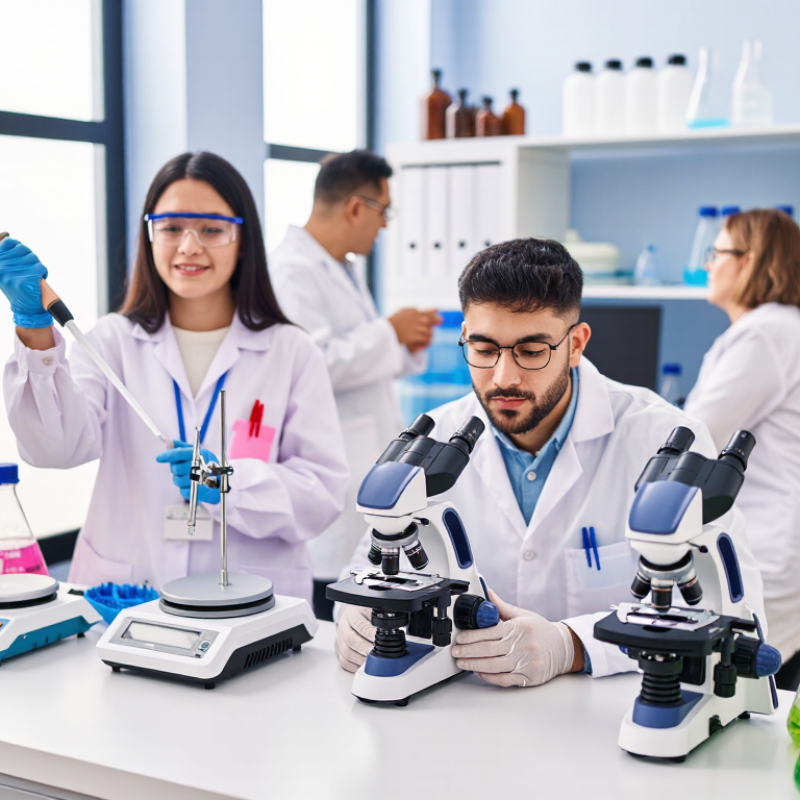
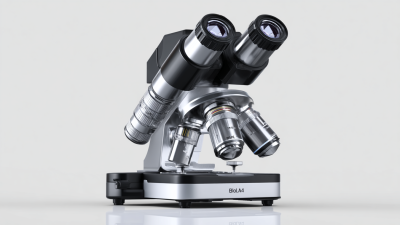
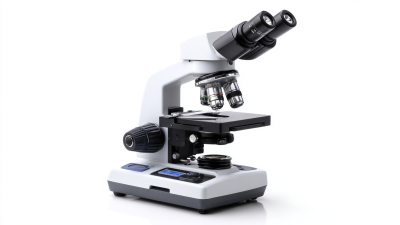
Laboratory equipment includes the tools used to measure, handle, observe, and protect samples. Some items are simple: glass beakers, graduated cylinders, test tubes, and pipettes. Others provide controlled conditions, such as balances, microscopes, centrifuges, ovens, and temperature-controlled refrigerators. Each serves a different purpose. A pipette transfers small liquid volumes, while a balance measures mass. Using the wrong tool can affect results.
Equipment also includes safety and support items. Examples include gloves, safety glasses, lab coats, fume hoods, wash bottles, racks, and waste containers. These may seem ordinary, but they help keep work organized and reduce exposure to spills or irritating fumes. Labels, timers, and notebooks matter too. They help connect a reading to the sample and the conditions under which it was collected.
Tips: Check glassware for chips before use, and confirm measuring tools are suitable for the required precision. Keep clean and used items separate. Record equipment settings, such as temperature or magnification, when they affect results. Still, an equipment list can be misleading: having a sophisticated instrument does not guarantee reliable data. Routine cleaning, calibration, and careful handling matter just as much. A smudged lens or an unlevel balance can quietly distort a careful measurement.
How Equipment Enables Accurate and Reproducible Testing
Accurate testing starts before a sample reaches an instrument. A balance that drifts by a few milligrams can change a formulation decision. A pipette delivering uneven volumes can distort an entire plate. Temperature logs, calibration records, and preventive maintenance turn equipment into a controlled measurement system. Small details matter.
Reproducibility depends on more than careful hands. In a 2016 Nature survey of 1,576 researchers, more than 70% said they had failed to reproduce another scientist’s experiments, while over half struggled to repeat their own (Baker, Nature, 2016). The survey covered many causes, not equipment alone. Yet unstable instruments, undocumented settings, and overdue service can add avoidable variation. A centrifuge run should use documented speed and time, not simply a familiar dial setting.
The World Health Organization’s Laboratory Quality Management System handbook treats equipment selection, calibration, maintenance, and records as linked parts of laboratory quality. In practice, labs can record instrument IDs, service dates, acceptance checks, and environmental conditions alongside results. That gives another analyst a trail to follow. Still, a neat calibration sticker cannot prove that every method performs well. Operators need routine checks with suitable control materials, and teams should investigate unusual results rather than explain them away. Procedures may look complete while small workarounds persist. Naming those gaps matters.
How Equipment Protects Users and Samples
Laboratory equipment protects people and samples by controlling exposure, containing spills, and reducing avoidable errors. A properly certified biosafety cabinet can capture aerosols, while a closed centrifuge lid helps contain droplets if a tube breaks. Temperature alarms on refrigerators can flag conditions that may compromise stored samples. Small details matter.
The CDC and NIH’s Biosafety in Microbiological and Biomedical Laboratories, 6th edition, recommends using primary barriers when risk assessment calls for them. The World Health Organization’s Laboratory Biosafety Manual, 4th edition, also emphasizes choosing controls based on the specific hazards and work being done. Equipment is not a substitute for training or careful technique. Still, it can add a critical layer of protection when something goes wrong.
The U.S. Bureau of Labor Statistics reported 2.4 recordable injury and illness cases per 100 full-time workers across private industry in 2023; this figure is not specific to laboratories, but it underscores why workplace controls matter. A cabinet with a blocked grille, a centrifuge with a worn seal, or a thermometer that was never checked may look usable while offering less protection than expected. Equipment can fail. Regular inspection, maintenance, and calibration help reveal problems, though paperwork alone cannot guarantee safety. A quick visual check is easy to skip, and that is exactly why routines need to be practical.
Why Is Laboratory Equipment Important? — How Equipment Protects Users and Samples
| Equipment |
Primary Function |
How It Helps Protect Users |
How It Helps Protect Samples |
Important Use Consideration |
| Chemical fume hood |
Captures and exhausts many hazardous vapors, gases, and fumes generated during work. |
Helps reduce inhalation exposure when used with the sash at the recommended height and airflow operating correctly. |
Can limit contamination from airborne material, though it is not designed to provide a sterile workspace. |
Do not use it as a storage cabinet; keep the work area clear and verify airflow according to laboratory procedures. |
| Biological safety cabinet |
Uses controlled airflow and high-efficiency filtration for specified biological procedures. |
Appropriate cabinet types can help protect the user from biological aerosols. |
Cabinet types designed for product protection help reduce sample exposure to airborne contamination. |
Protection depends on the cabinet type, correct setup, certification, and work practices; it is not interchangeable with a chemical fume hood. |
| Safety centrifuge cups or sealed rotors |
Contain tubes or vessels during centrifugation. |
Help contain aerosols if a vessel breaks or leaks, reducing the chance of exposure during operation and handling. |
Help keep samples contained and reduce cross-contamination from spills or breakage. |
Use compatible, undamaged components and follow the rotor’s operating limits and the laboratory’s procedures. |
| Autoclave |
Uses saturated steam under pressure to sterilize suitable loads. |
Can inactivate many microorganisms in appropriately processed materials, helping manage biological hazards. |
Supports preparation of sterile media, instruments, and other compatible materials. |
Not every material is suitable for autoclaving; allow pressure to return to a safe level and use appropriate protective equipment when unloading. |
| Calibrated micropipette |
Measures and transfers small liquid volumes. |
Reduces direct contact with liquids when used with suitable tips and safe pipetting practices. |
Improves volume consistency; fresh tips between samples help prevent carryover and cross-contamination. |
Use within the instrument’s specified volume range and follow calibration and maintenance schedules. |
| Laboratory refrigerator or freezer |
Maintains specified low-temperature storage conditions for compatible materials. |
Helps keep hazardous or biological materials contained in designated, appropriately labeled storage. |
Slows degradation of many temperature-sensitive samples when the required storage temperature is maintained. |
Monitor and record temperatures as required; storage conditions and acceptable temperature ranges depend on the sample. |
How Equipment Supports Efficient Research and Discovery
Research moves faster when instruments deliver dependable measurements. A calibrated balance, stable incubator, or well-maintained microscope helps teams compare results without repeating avoidable tests. Small details matter. A slight temperature shift can change a sample; a clogged pipette can distort a measurement. Reliable equipment also makes shared protocols easier to repeat across people and study days.
A 2016 Nature survey of 1,576 researchers found that more than 70% had failed to reproduce another researcher’s experiment, while over half had struggled to reproduce their own (Baker, “1,500 scientists lift the lid on reproducibility”). The survey covered many causes, not equipment alone. Still, inconsistent instruments can add noise and waste research time. The National Academies’ 2019 report on reproducibility likewise emphasizes clear methods and reliable measurements. Equipment needs to support both.
Practical habits help: log calibration dates, record maintenance, and check temperature or pressure readings before critical runs. Keep shared instruments booked realistically, with time for cleaning and quality checks. Researchers sometimes rush these steps. That is understandable, but it can make later results harder to trust. Equipment does not make a discovery by itself. It gives careful researchers a steadier way to test ideas, notice unexpected patterns, and build on results.
How Equipment Is Selected, Calibrated, and Maintained
Selecting laboratory equipment begins with the measurement it must support. Consider the required range, sample type, working environment, and acceptable uncertainty. A balance used for milligram-scale work needs different capacity and readability from one weighing larger containers. Start with the measurement, not the catalog. Check whether equipment can be cleaned safely and whether staff can operate it consistently. A sophisticated instrument is not automatically the right choice.
Calibration connects a reading to a trusted reference. Follow a schedule based on manufacturer guidance, usage, and the consequences of an inaccurate result. Record the date, reference standards, results, and any adjustments. If a thermometer reads outside its specified tolerance, label it clearly and assess measurements taken since its last acceptable check. Small discrepancies matter.
Maintenance keeps equipment reliable between calibrations. Clean surfaces after use, inspect cables and seals, and keep vents clear. Store sensitive instruments away from heat, dust, and vibration. Keep service records near the equipment or in an accessible digital log. A log can look complete while a loose connector goes unnoticed. It is tempting to postpone routine checks during busy periods. That can create more work later. Review recurring faults and adjust maintenance intervals when actual use differs from the original plan.



 08045479132


 Send Inquiry


 Send Inquiry
 Send SMS

