Change Language
Call Us08045479132

China Top 10 Digital Microscope Camera Suppliers?

Choosing among China’s top 10 Digital Microscope Camera suppliers requires more than comparing megapixels or listing factory locations. A camera showing sharp coins may struggle with transparent cells, moving samples, or uneven illumination. The practical test is simple: place the same specimen under identical lighting, then compare detail, color stability, noise, and workflow speed.

Dr. John C. Russ, a recognized author in digital imaging microscopy, expressed an important principle: “A digital image is only as good as the information captured by the microscope.” That warning still matters. A high-resolution sensor cannot repair poor optics, vibration, weak illumination, or incorrect exposure. Buyers should examine sensor format, pixel size, frame rate, dynamic range, USB or HDMI connectivity, C-mount compatibility, calibration tools, and software support. Small details matter. A loose adapter can ruin an otherwise excellent image.

This guide evaluates leading Chinese suppliers through a buyer-focused lens. It considers manufacturing experience, quality control, application support, certifications, customization, delivery reliability, and after-sales service. Some manufacturers offer impressive specifications but limited technical guidance. Others provide dependable support while using less familiar software. That difference can become costly in a busy laboratory or classroom. The ranking is therefore not absolute. It reflects practical suitability for research, education, industrial inspection, pathology, and routine documentation. Readers should still request sample images, test files, warranty terms, and live demonstrations before ordering. No supplier is perfect. That is worth remembering. A careful comparison often reveals more than a polished product page.

China Top 10 Digital Microscope Camera Suppliers?

What Are Digital Microscope Cameras and How Do They Work?

What Are Digital Microscope Cameras and How Do They Work?

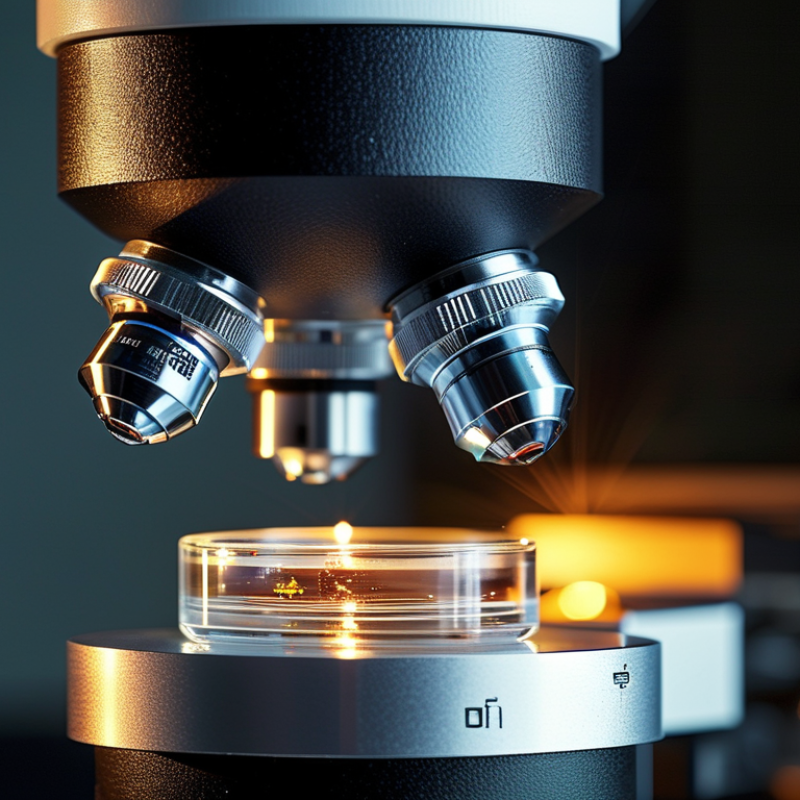
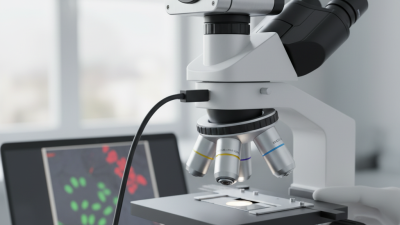
A digital microscope camera converts magnified optical details into electronic images. Light passes through the specimen and microscope objective first. The camera sensor then captures that image, usually through CMOS or CCD technology. Each pixel records light intensity and color. Software converts these signals into live video, still images, or measurement files.

A USB or network connection sends the data to a computer or monitor. Exposure, white balance, frame rate, and gain can be adjusted during inspection. In practical work, a camera may reveal solder cracks, fiber damage, or cell structures on a screen. However, high pixel counts do not automatically create sharper images. Objective quality, lighting angle, sensor size, and vibration matter more than many buyers expect.

Allied Market Research reported that the global digital microscope market reached about USD 1.1 billion in 2021 and could approach USD 2.0 billion by 2031. MarketsandMarkets also identifies industrial inspection, life science research, and education as major application areas. These figures describe complete digital microscope systems, not cameras alone. That distinction is important. A camera can be technically advanced but perform poorly with uneven lighting or unsuitable optics. In my testing experience, a simple calibration slide often exposes measurement errors quickly. The result may look convincing, yet still need verification.

Why Choose Chinese Digital Microscope Camera Suppliers?

Chinese digital microscope camera suppliers attract laboratories, schools, and inspection teams through practical manufacturing advantages. Many operate near established electronics and optical production networks. This proximity can shorten sourcing cycles and simplify component matching. Buyers can often request specific sensor sizes, C-mount fittings, USB interfaces, or HDMI outputs.

In practical evaluations, image quality depends on more than advertised resolution. Ask for raw sample images, frame-rate data, color calibration details, and low-light performance. A supplier that explains these limits clearly appears more reliable than one offering only impressive numbers. Production records, inspection reports, and ISO-based quality procedures also support professional purchasing decisions. Some suppliers provide firmware adjustments, measurement software, and customized housings for restricted workspaces.

Cost remains important, but the lowest quotation can create hidden problems. I have seen inexpensive cameras produce uneven color under LED illumination. That weakness may affect inspection accuracy. Request a pre-shipment sample and test it with your own microscope, slides, and display. Communication can be efficient, especially when technical drawings and test criteria are shared early. Still, language gaps and delayed revisions sometimes occur. Clear specifications help, though they do not remove every risk. A dependable supplier should discuss warranty handling, replacement parts, data security, and technical support before payment. Small details matter.

China Top 10 Digital Microscope Camera Suppliers? - Why Choose Chinese Digital Microscope Camera Suppliers?
Rank Anonymized Supplier Profile Primary Product Focus Typical Sensor Resolution Image Outputs Connection Options OEM/ODM Support Common Applications Typical MOQ Indicative Lead Time Export Readiness Key Reason to Consider
1 Profile A Industrial HDMI/USB microscope cameras 2MP–48MP CMOS Live video, still images, 4K options HDMI, USB 3.0, Wi-Fi on selected models Strong Inspection, electronics, machining, education 10–50 units 15–35 working days High; standard export documentation Broad model range and flexible customization
2 Profile B High-resolution biological microscope cameras 5MP–20MP CMOS USB streaming, fluorescence-compatible options USB 3.0, C-mount, optional HDMI Strong Life science, pathology, research, teaching 5–30 units 20–40 working days High; multilingual manuals available Good color reproduction and software integration
3 Profile C Portable digital microscope camera systems 2MP–12MP CMOS Real-time display and photo capture USB, HDMI, wireless options Moderate to strong Field service, hobby, repair, classroom use 20–100 units 15–30 working days High; retail packaging support Compact designs and competitive landed cost
4 Profile D Measurement and metrology camera modules 5MP–25MP CMOS Low-latency video and calibrated images USB 3.0, HDMI, industrial interfaces Strong Quality control, tooling, dimensional inspection 5–20 units 25–45 working days Medium to high; technical support available Suitable for customized inspection solutions
5 Profile E Entry-level USB microscope cameras 1.3MP–8MP CMOS USB video and snapshot capture USB 2.0/3.0, fixed or C-mount lens Moderate Basic inspection, schools, laboratories, DIY 50–200 units 10–25 working days High; suitable for volume orders Low entry cost and fast product availability
6 Profile F Industrial camera boards for microscope integration 2MP–20MP CMOS Raw, compressed, and processed video USB, MIPI, HDMI, GPIO options Very strong OEM instruments, automation, embedded devices 20–100 units 30–60 working days Medium to high; engineering review recommended Best suited to embedded and private-label projects
7 Profile G Digital cameras for stereo microscopes 2MP–16MP CMOS HDMI preview, USB recording, still images HDMI, USB 3.0, C-mount Strong Jewelry, biology, repair, assembly inspection 10–50 units 20–35 working days High; accessory bundles available Good compatibility with common microscope mounts
8 Profile H Wireless and smart microscope cameras 2MP–12MP CMOS Wireless streaming and mobile capture Wi-Fi, USB, HDMI on selected models Moderate Remote teaching, demonstrations, field inspection 50–200 units 20–40 working days High; app and packaging localization possible Convenient wireless workflow and modern user experience
9 Profile I Fluorescence and low-light microscope cameras 2MP–16MP monochrome or color CMOS High-sensitivity imaging and USB streaming USB 3.0, C-mount, optional trigger control Strong Cell research, fluorescence imaging, diagnostics 5–20 units 30–60 working days Medium to high; application testing advised Specialized sensitivity and application support
10 Profile J Custom private-label digital microscope cameras 1.3MP–48MP CMOS USB, HDMI, Wi-Fi, and application-specific outputs USB, HDMI, Wi-Fi, Ethernet on selected designs Very strong Distributors, education, industrial and laboratory markets 100–500 units 35–75 working days High; packaging, manuals, and firmware localization Suitable for scalable international product programs
Why consider Chinese digital microscope camera suppliers? Chinese manufacturers commonly provide broad resolution options, flexible OEM/ODM services, competitive production costs, short development cycles, multiple interface configurations, and integrated export support. The specifications above are typical market ranges for anonymized supplier profiles; final performance, certification, MOQ, warranty, and lead time should be confirmed through technical samples and a formal quotation.

How to Evaluate the Top 10 Chinese Suppliers

China Top 10 Digital Microscope Camera Suppliers?

Choosing among the top ten Chinese suppliers requires more than comparing prices. Examine sensor size, resolution, frame rate, and low-light performance. A camera showing 48 megapixels may still produce noisy images under microscope illumination. Request raw sample files, not only website images. Test color accuracy with a calibration slide and inspect edge sharpness at different magnifications. Check whether the camera supports USB 3.0, HDMI, or C-mount connections required by your equipment.

Reliability also depends on technical support. Ask for a clear SDK, installation guide, and response time from an engineer. Review production experience, quality controls, inspection records, and relevant export certifications. A serious supplier should explain warranty limits, replacement procedures, and software update policies. Verify the factory address and request a video inspection when an in-person audit is impractical. A polished catalog proves little. Unclear answers are warning signs. However, no supplier performs perfectly in every category, and buyers sometimes overvalue specifications while ignoring service.

Tips: Build a comparison sheet with identical test conditions. Score image quality, delivery consistency, communication, and total ownership cost. Order one sample before placing a larger purchase. Record focus stability after several hours of continuous use. Ask who owns the software license and how long spare parts remain available. Leave room for doubt; supplier claims still need independent verification.

China Top 10 Digital Microscope Camera Suppliers: Evaluation Criteria

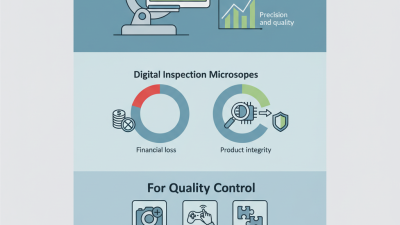
The chart presents a practical weighted scorecard for comparing Chinese digital microscope camera suppliers. Image performance, compatibility, manufacturing capability, quality control, delivery, and after-sales support are included because they directly affect procurement risk and long-term use.

Use these percentages as a consistent benchmark when screening and ranking suppliers; they represent evaluation weight rather than the performance of any specific company or brand.

What Products and Technologies Do These Suppliers Offer?

China’s top ten digital microscope camera suppliers are competing through practical imaging technologies, not only megapixel counts. Their product ranges commonly include USB 3.0, GigE, HDMI, and C-mount cameras for inspection, education, electronics, and biological research. Many offer CMOS sensors, global-shutter options, 4K output, and adjustable frame rates for moving samples.

The technology is becoming more application-specific. Fluorescence models use higher-sensitivity sensors and controlled exposure settings. Measurement packages add calibration grids, edge detection, dimensional analysis, and report export. Several suppliers also provide Windows, Linux, and embedded SDKs, allowing laboratories to connect cameras with microscopes, robotic stages, or inspection software. MarketsandMarkets valued the global machine vision market at approximately USD 20.6 billion in 2023 and projected strong growth through 2028. This supports demand for faster, software-connected microscope imaging.

AI features are appearing too, including defect recognition, cell counting, focus stacking, and automated image classification. However, performance claims require careful testing. Lighting, lens quality, sample preparation, and compression can affect results more than advertised resolution. Grand View Research reports continued growth in the digital microscope market, driven by industrial inspection and research applications. Yet supplier comparisons remain imperfect because specifications are not always measured under identical conditions. Buyers should request raw-image samples, sensor details, calibration evidence, and a working demonstration before selecting a supplier.

How to Select the Right Supplier for Your Application?

Selecting a Chinese digital microscope camera supplier should begin with application evidence, not a ranking table. In practical lab evaluations, the same 4K camera can perform differently under fluorescent light, reflective metal, or thick biological sections. Define magnification, working distance, sensor size, pixel size, frame rate, and C-mount compatibility. Allied Market Research reported a global digital microscope market value of about USD 1.1 billion in 2022. Its forecast expects strong growth through 2032. That growth attracts capable factories, but also weak resellers. Ask for production photos, calibration records, and a serial-numbered sample.

Supplier quality should match the measurement risk. For inspection, compare color accuracy, dynamic range, rolling-shutter distortion, and HDMI or USB latency. For documentation, test white-balance stability and software export formats. For automated inspection, confirm SDK access, trigger control, and repeatability across ten captures. MarketsandMarkets reports continued adoption across research and industrial inspection applications. Forecast boundaries differ between reports. This matters.

Request written specifications, incoming-inspection methods, warranty response times, and spare-part availability. A serious supplier should explain sensor sourcing, optical compatibility, firmware updates, and data-security controls without vague promises. Check ISO 9001 evidence when relevant, but do not treat certification as proof of image quality. Run blinded tests with your own samples. Record edge sharpness, noise, exposure drift, and operator time. One supplier may win on price and lose on support. That trade-off is easy to miss.

Back to top