| Sample Preparation |
Preparing, reducing, mixing, or homogenizing samples before analysis |
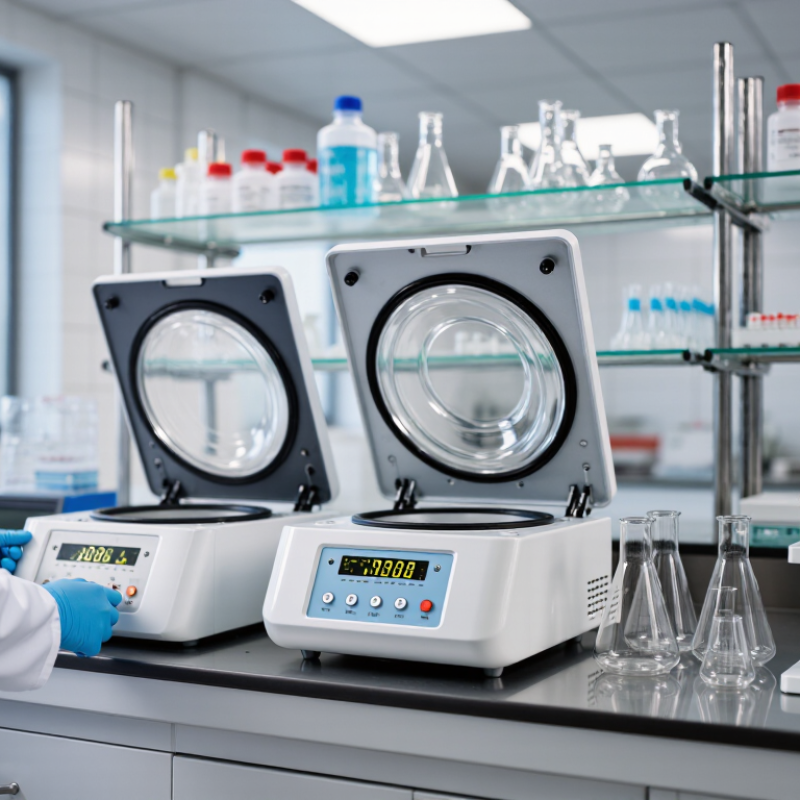
Balances, analytical balances, centrifuges, homogenizers, vortex mixers, grinders, and mills |
Reduces sample variation and produces a consistent material for testing or measurement. |
Capacity, readability, rotational speed, relative centrifugal force, timer range, chamber size, noise, and cleanability |
Food testing, pharmaceutical development, environmental analysis, materials research |
Confirm the required accuracy, sample type, vessel compatibility, workload, and whether the equipment supports validated procedures. |
| Liquid Handling |
Measuring, transferring, dispensing, and diluting liquids |
Micropipettes, serological pipettes, burettes, dispensers, liquid handlers, and pipette controllers |
Transfers defined liquid volumes with controlled accuracy and repeatability. |
Volume range, accuracy, precision, channel count, operating mode, tip or vessel compatibility, and calibration interval |
Clinical laboratories, molecular biology, analytical chemistry, quality control |
Choose a suitable volume range and verify calibration, ergonomic design, chemical compatibility, and availability of consumables. |
| Separation |
Separating substances or particles according to size, density, charge, or chemical properties |
Centrifuges, filtration systems, chromatographic systems, electrophoresis units, and separators |
Isolates components from mixtures to support purification, identification, or quantification. |
Separation force, rotor or column type, flow rate, pressure limit, detection method, temperature control, and sample throughput |
Biotechnology, pharmaceutical analysis, water testing, chemical research |
Match the separation method to the sample matrix and confirm compatibility with solvents, membranes, columns, tubes, or gels. |
| Heating and Cooling |
Maintaining, increasing, or reducing sample temperature |
Hot plates, heating blocks, ovens, furnaces, water baths, dry baths, refrigerators, and freezers |
Provides stable thermal conditions for reactions, storage, drying, sterilization, or material treatment. |
Temperature range, stability, uniformity, recovery time, chamber volume, heating or cooling rate, and alarm functions |
Microbiology, chemistry, materials testing, clinical research, food science |
Check the required operating temperature, thermal uniformity, insulation, ventilation, energy consumption, and temperature alarm requirements. |
| Sterilization and Decontamination |
Reducing or eliminating viable microorganisms and contaminants |
Steam sterilizers, dry-heat sterilizers, ultraviolet treatment units, disinfecting washers, and sterilization indicators |
Processes equipment, media, waste, or work surfaces using heat, pressure, radiation, or chemical methods. |
Temperature, pressure, cycle time, chamber volume, load configuration, drying performance, and monitoring method |
Microbiology, healthcare research, pharmaceutical production, life sciences |
Determine whether the process is appropriate for the load and review safety controls, validation requirements, drainage, ventilation, and maintenance access. |
| Optical Observation |
Magnifying, imaging, counting, or inspecting specimens and surfaces |
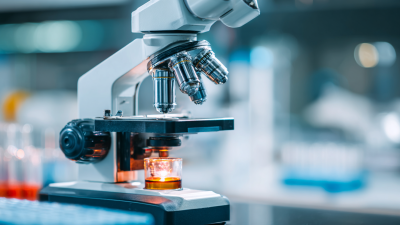
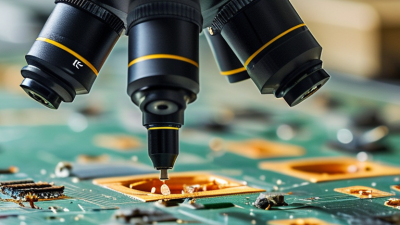
Optical microscopes, stereomicroscopes, fluorescence imaging systems, colony counters, and digital inspection systems |
Creates an enlarged or contrast-enhanced image for visual examination and documentation. |
Magnification, numerical aperture, resolution, illumination type, field of view, camera resolution, and image software |
Cell biology, pathology, education, materials science, quality inspection |
Define the specimen type and required resolution before selecting illumination, objectives, imaging accessories, and data-export functions. |
| Spectroscopy and Optical Analysis |
Identifying or quantifying substances through interaction with electromagnetic radiation |
Ultraviolet-visible spectrophotometers, infrared spectrometers, fluorescence spectrometers, and atomic absorption instruments |
Measures absorption, emission, or transmission to determine chemical composition or concentration. |
Spectral range, wavelength accuracy, resolution, photometric range, detection limit, sample holder, and software capability |
Pharmaceutical testing, environmental monitoring, food analysis, chemical research |
Confirm the required wavelength range, detection performance, sample volume, solvent compatibility, calibration method, and data-integrity features. |
| Chromatographic Analysis |
Separating and analyzing components in complex mixtures |
Gas chromatographs, liquid chromatographs, ion chromatographs, autosamplers, and fraction collectors |
Separates compounds through differences in their interaction with a stationary phase and a mobile phase. |
Pressure range, flow range, detector type, column compatibility, temperature control, injection volume, and data system |
Pharmaceuticals, petrochemicals, food safety, forensic science, environmental testing |
Specify the analytes, sample matrix, required detection limit, solvent or gas supply, column needs, and method-development workload. |
| Electrochemical Measurement |
Measuring acidity, conductivity, potential, ions, or oxidation-reduction behavior |
pH meters, conductivity meters, dissolved oxygen meters, ion-selective measurement systems, and potentiostats |
Measures electrical properties related to chemical conditions in liquids or electrochemical cells. |
Measurement range, resolution, accuracy, electrode type, temperature compensation, calibration points, and data logging |
Water quality, chemical processing, agriculture, pharmaceutical quality control |
Check sample temperature, electrode material, calibration standards, replacement sensor availability, and resistance to the intended chemicals. |
| Gas and Vacuum Systems |
Controlling gases, pressure, vacuum, or atmospheric conditions |
Vacuum pumps, vacuum ovens, gas regulators, gas analyzers, flow controllers, and glove boxes |
Creates or maintains controlled pressure, gas composition, flow, or low-moisture environments. |
Ultimate vacuum, pumping speed, gas flow range, leak rate, pressure accuracy, material compatibility, and chamber volume |
Materials science, chemical synthesis, semiconductor research, analytical laboratories |
Verify gas purity, connection standards, exhaust arrangements, solvent resistance, oil or oil-free operation, and required safety interlocks. |
| Cell and Microbiology Culture |
Growing, maintaining, or observing microorganisms and biological cells |
Incubators, shaking incubators, cell culture cabinets, anaerobic chambers, bioreactors, and colony counters |
Maintains controlled conditions such as temperature, agitation, humidity, gas composition, or sterility for biological growth. |
Temperature uniformity, agitation range, humidity control, gas control, chamber volume, contamination control, and monitoring |
Microbiology, biotechnology, cell biology, vaccine research, food testing |
Assess contamination risks, culture vessel compatibility, cleaning procedures, monitoring records, and the need for independent environmental alarms. |
| Molecular Biology |
Amplifying, analyzing, or manipulating nucleic acids and proteins |
Thermal cyclers, real-time amplification systems, gel electrophoresis units, gel documentation systems, and nucleic-acid quantification instruments |
Supports DNA or RNA amplification, separation, visualization, quantification, and related workflows. |
Sample capacity, temperature uniformity, ramp rate, detection channels, fluorescence compatibility, sensitivity, and software functions |
Genetics, diagnostics research, biotechnology, food authenticity testing |
Confirm assay compatibility, optical channels, reaction volume, contamination-control design, software records, and local service capability. |
| Mechanical and Materials Testing |
Evaluating strength, hardness, flexibility, wear, or deformation |
Universal testing machines, hardness testers, impact testers, rheometers, tensile testers, and tribometers |
Applies controlled force, displacement, torque, or motion to characterize material behavior. |
Load capacity, displacement range, speed range, force accuracy, fixture type, environmental control, and software reporting |
Metals, polymers, construction materials, packaging, manufacturing quality control |
Define the material standard, specimen geometry, test method, maximum load, fixture requirements, and reporting format before purchase. |
| Water and Environmental Testing |
Monitoring physical, chemical, and biological properties of environmental samples |
Turbidity meters, water-quality analyzers, digestion systems, incubators, sampling pumps, and portable test meters |
Assesses parameters such as pH, conductivity, turbidity, dissolved oxygen, nutrients, metals, or microbial indicators. |
Detection range, detection limit, sample throughput, field portability, battery life, ingress protection, and calibration requirements |
Drinking water, wastewater, soil testing, marine research, environmental compliance |
Consider field or laboratory use, sample preservation, method compliance, sensor durability, data storage, and transportation conditions. |
| Laboratory Safety and Containment |
Protecting personnel, samples, products, and the surrounding environment |
Chemical fume hoods, biological safety cabinets, safety storage cabinets, eyewash stations, spill-control equipment, and emergency showers |
Controls hazardous vapors, aerosols, spills, biological agents, flammable materials, or accidental exposure. |
Airflow, containment level, face velocity, filter type, cabinet dimensions, alarm functions, storage capacity, and certification requirements |
All laboratories handling chemical, biological, radiological, or particulate hazards |
Base selection on the hazard assessment, installation conditions, local regulations, exhaust requirements, certification, and operator training. |
| Data Acquisition and Laboratory Automation |
Recording measurements, controlling workflows, and improving repeatability |
Data loggers, laboratory information systems, robotic sample handlers, barcode readers, controllers, and monitoring platforms |
Collects, transfers, analyzes, or manages laboratory data and repetitive instrument operations. |
Input channels, sampling rate, connectivity, software compatibility, audit trail, access control, automation capacity, and backup options |
High-throughput screening, quality control, clinical research, manufacturing laboratories |
Check interoperability, cybersecurity, user permissions, data export, electronic records, validation needs, and long-term software support. |



 08045479132
 Send Inquiry

 Send Inquiry
 Send SMS