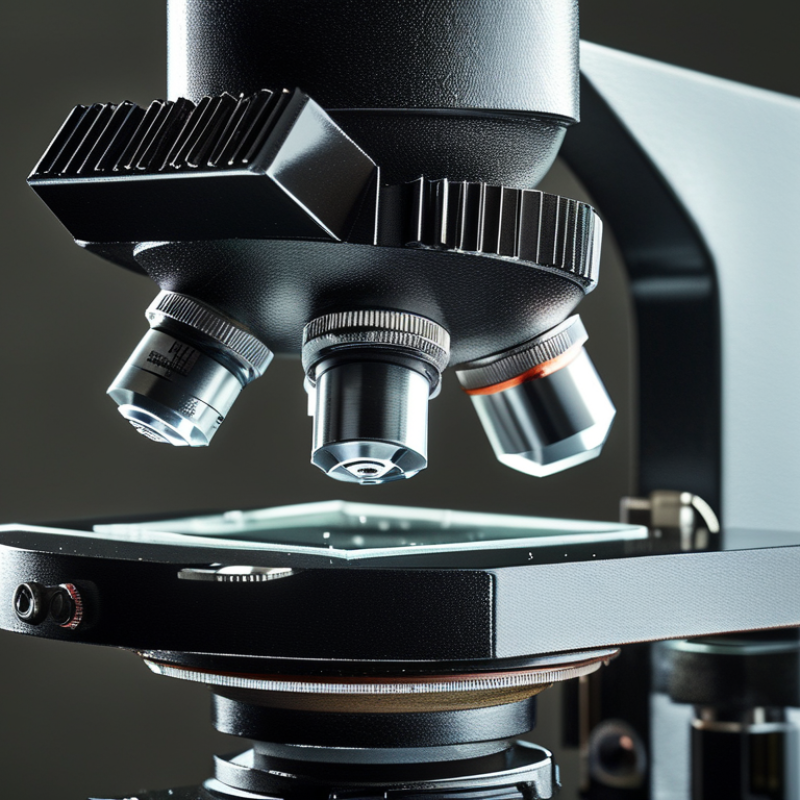
A Zoom Microscope is a powerful tool in the world of microscopy. It allows users to examine objects in detail, adjusting magnification levels effortlessly. This capability makes it ideal for both professionals and enthusiasts alike.
Understanding how a Zoom Microscope operates can enhance your scientific observations. The instrument uses a complex optical system to vary magnification without changing the optics. This feature allows researchers to explore a range of specimens, from biological samples to material science applications.
However, reliance on the Zoom Microscope can present challenges. Factors like lighting and specimen preparation play crucial roles in the quality of the observation. Ideally, this knowledge should inform your approach to using the microscope effectively. Balancing technique and technology is essential for achieving accurate results.
A zoom microscope is a specialized device designed for high-resolution imaging of small objects and biological specimens. Unlike traditional microscopes, which use lenses to magnify the image, zoom microscopes have a continuous zoom feature that allows users to adjust magnification smoothly. This ability enables researchers to view objects at various scales without changing lenses, enhancing both usability and efficiency.
Research indicates that the global microscope market is projected to grow significantly. By 2025, it is expected to reach over $4.1 billion. This growth reflects the increasing demand for advanced imaging solutions in academia and industry. Additionally, studies have shown that ease of use in zoom microscopes improves productivity in laboratories, leading to less time spent switching equipment.
Despite their advantages, zoom microscopes can have limitations. For instance, specific models may struggle with depth of field at higher magnifications. Some users report that this affects their ability to visualize three-dimensional structures effectively. The learning curve for new operators may also pose a challenge, as familiarizing oneself with zoom functionality requires practice. Hence, while zoom microscopes enhance research capabilities, they also necessitate a careful approach to maximize their potential.



 08045479132




 Send Inquiry

 Send Inquiry
 Send SMS