| Definition | Blue light therapy uses controlled exposure to visible blue wavelengths, commonly within approximately 400–500 nanometers (nm). | It can be positioned as a non-invasive service that uses light rather than injections, peeling agents, or systemic medication. |
| Primary biological target | For acne-related applications, blue light can activate porphyrins produced by Cutibacterium acnes, generating reactive oxygen species that may reduce bacterial activity. | The mechanism provides a science-based explanation for acne-focused facial, dermatology, and aesthetic services without making claims of guaranteed results. |
| Visible wavelength range | Blue light is generally perceived within the visible spectrum; the human eye is most sensitive near 555 nm, while shorter blue wavelengths carry higher photon energy. | Equipment selection should specify wavelength, irradiance, treatment distance, and exposure time rather than relying only on the term “blue light.” |
| Common professional use | Acne-prone skin is the most established cosmetic and dermatological use case for blue-light devices. | Suitable businesses may include dermatology practices, aesthetic clinics, spas with qualified staff, and wellness centers operating within local regulations. |
| Treatment experience | Blue-light sessions are typically described as non-invasive and may involve little or no downtime, although warmth, temporary redness, dryness, or irritation can occur. | A low-downtime format can support appointment-based services and add-on treatments, subject to appropriate screening and professional protocols. |
| Expected treatment pattern | Visible improvement, when it occurs, generally requires a series of sessions and consistent aftercare; response varies by person and condition. | Businesses can design structured consultation, session, and follow-up packages instead of presenting the service as a one-time cure. |
| Evidence considerations | Clinical outcomes depend on wavelength, dose, device design, treatment schedule, skin condition, and study quality. Evidence is stronger for some acne applications than for broad anti-aging claims. | Marketing should use condition-specific, evidence-based language and avoid promising permanent, universal, or immediate results. |
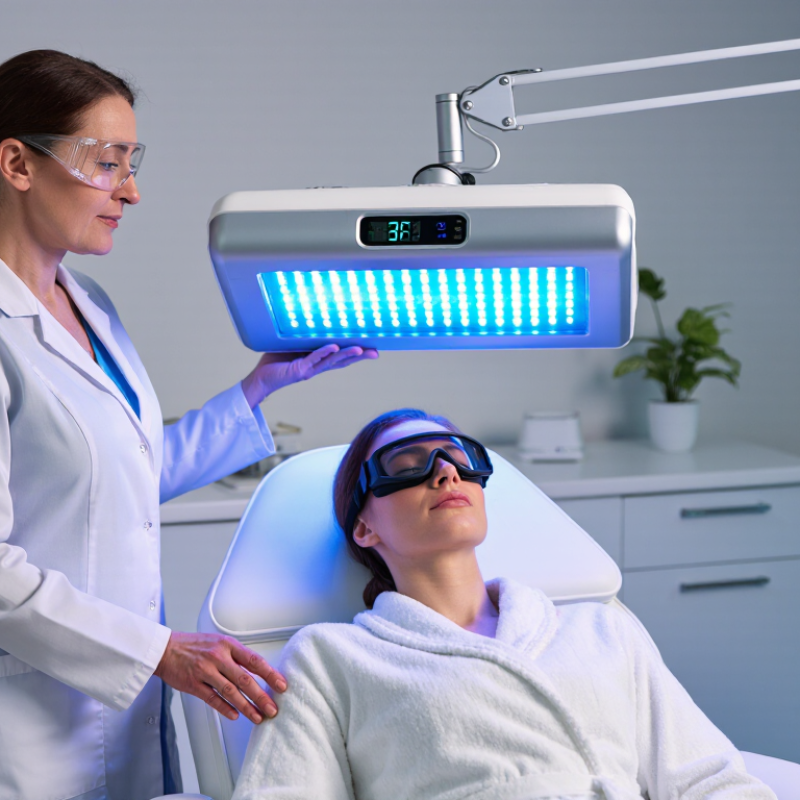
| Key safety requirement | Eye protection and adherence to the device instructions are important because intense visible light can create eye discomfort or risk, especially with direct exposure. | A documented operating procedure should include eye protection, exposure limits, staff training, cleaning, and incident reporting. |
| Client screening | Screen for photosensitivity, light-sensitive medicines, relevant eye conditions, active skin problems, and other contraindications listed by the device manufacturer or medical professional. | Pre-treatment screening helps reduce avoidable risks and supports responsible service delivery. |
| Operational requirements | Important specifications include wavelength, irradiance, treatment area, timer controls, protective equipment, cleaning requirements, and electrical safety information. | Transparent specifications make staff training, purchasing comparisons, maintenance, and client communication easier. |
| Service differentiation | The service can complement consultation, cleansing, topical skincare, or other professionally appropriate treatments; compatibility depends on the individual client and protocol. | A business can create a more complete client journey while keeping treatment claims clear and appropriately limited. |
| Regulatory positioning | Device classification, advertising rules, staff qualifications, and permitted claims vary by country and intended use. | Before launch, verify local regulatory requirements and ensure that the device, training, consent forms, and promotional language match the approved use. |



 08045479132
 Send Inquiry

 Send Inquiry
 Send SMS