| Quilting space and throat clearance | Measure the space between the needle and the machine body, and check the available work area. | More clearance makes it easier to manage bulky quilts, especially for larger projects and detailed designs. | Will the largest quilt you plan to make fit comfortably? Is there enough room to move and position the quilt? |
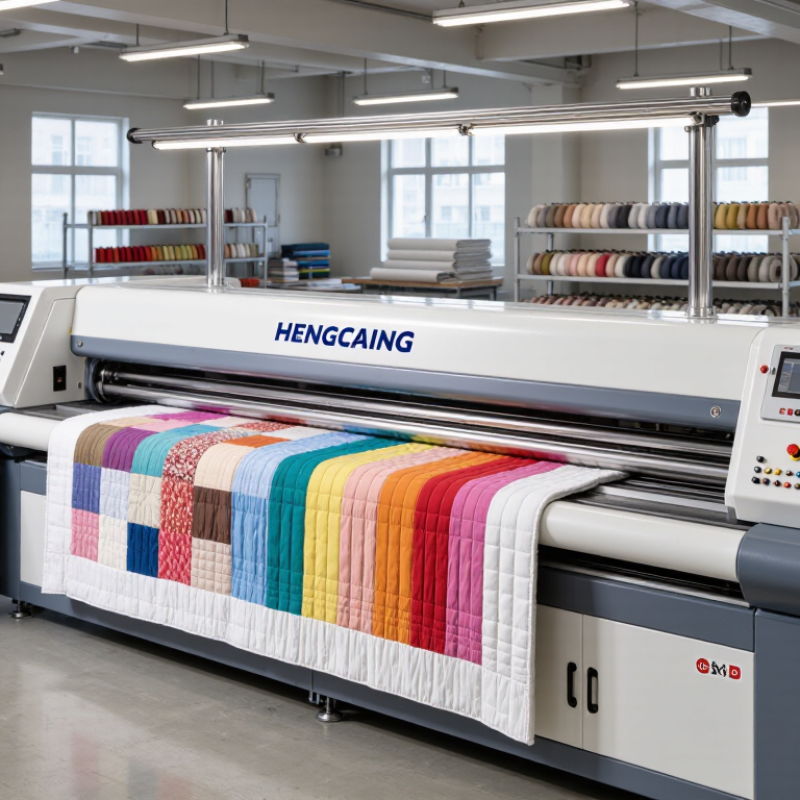
| Machine format | Compare domestic machines, sit-down longarms, and frame-mounted longarms. | Each format supports a different workflow: domestic machines are compact, while longarm systems provide more room for larger quilts. | Do you prefer moving the quilt under the machine, or moving the machine over a quilt held on a frame? |
| Stitch regulation | Check whether the machine offers stitch regulation and how its regulated and manual modes operate. | Stitch regulation can help maintain more consistent stitch length as sewing speed changes, though results depend on setup and technique. | Can you test the feature at different speeds? Is the control straightforward for your preferred quilting style? |
| Speed control | Review the speed range, foot pedal or handle controls, and whether the machine offers adjustable speed settings. | Responsive speed control helps quilters work at a comfortable pace and handle curves, corners, and detailed patterns. | Can the machine sew slowly and steadily for precision work as well as faster for open designs? |
| Frame size and workspace | Check the frame dimensions, room clearance, loading method, and space needed around the equipment. | A frame must fit the available room and allow safe access for loading, quilting, maintenance, and movement. | Have you measured doorways, ceiling height, and the intended workspace before choosing a frame? |
| Needle, thread, and fabric compatibility | Confirm the recommended needle system, thread types, fabric range, and setup guidance in the machine documentation. | Suitable combinations and correct tension help reduce skipped stitches, thread breaks, and uneven results. | Does the machine support the materials and thread weights you expect to use? |
| Lighting and visibility | Look for clear illumination around the needle area and an unobstructed view of the quilting surface. | Good visibility helps with accurate stitching, thread changes, and working on detailed patterns. | Is the needle area well lit from your normal working position? |
| Controls and ergonomics | Try the handle position, display or controls, pedal response, and access to common adjustments. | Comfortable controls can make longer quilting sessions easier and reduce unnecessary reaching. | Can you reach the main controls and maintain a comfortable posture while quilting? |
| Maintenance and support | Review cleaning and lubrication instructions, replacement-part availability, warranty terms, and service options. | Routine care and accessible support help keep a machine operating reliably over time. | Are maintenance instructions clear, and is qualified service available in your area? |
| Total ownership cost | Include the machine, frame, accessories, delivery, setup, training, maintenance, and any required workspace changes. | The purchase price alone may not reflect the full investment needed to start quilting. | Does the full setup fit your budget, including essential accessories and future upkeep? |



 08045479132

 Send Inquiry


 Send Inquiry
 Send SMS

