| Clutch Disc Diameter | 240 mm (approximately 9.45 in) | The “240mm” designation normally refers to the nominal outside diameter of the clutch friction disc. The actual measured diameter may vary slightly by design and manufacturing tolerance. |
| Main Function | Transmit engine torque to the transmission | The clutch connects and disconnects the engine crankshaft from the manual transmission, allowing the vehicle to start, stop, shift gears, and remain stationary while the engine runs. |
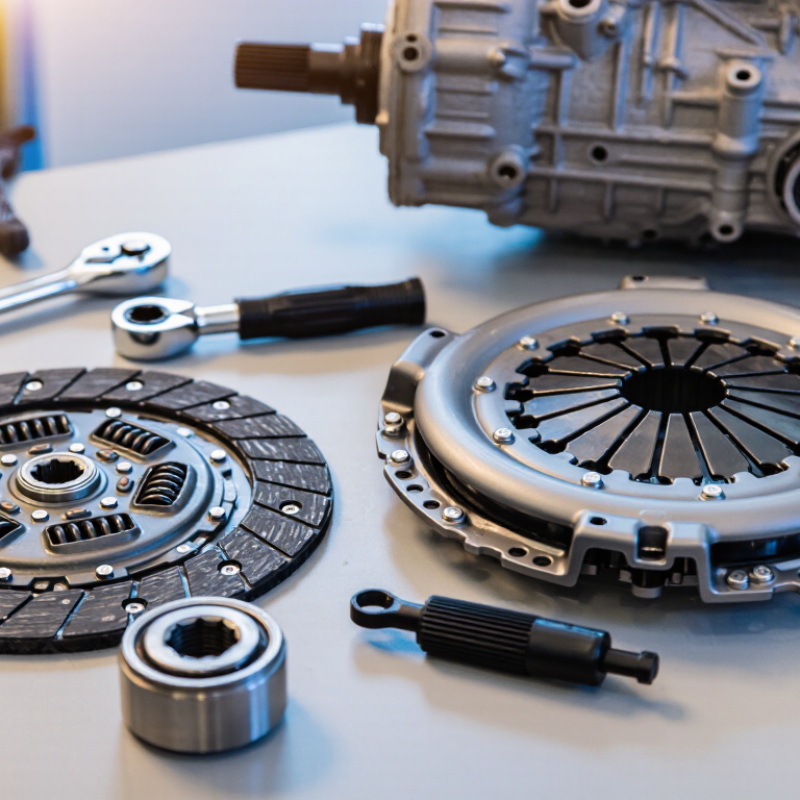
| Common Kit Components | Friction disc, pressure plate, and release bearing | Many kits include these three primary service parts. Some applications may also require or include a pilot bearing, alignment tool, flywheel bolts, or a hydraulic release component. |
| Pressure Plate | 240mm-compatible cover assembly | The pressure plate applies clamping force to hold the disc against the flywheel. Its bolt pattern, height, diaphragm spring, and release mechanism must match the vehicle application. |
| Friction Disc Hub | Application-specific spline count and shaft diameter | A 240mm disc is not universally interchangeable. The hub must match the transmission input shaft in spline count, spline form, shaft diameter, and engagement length. |
| Flywheel Compatibility | Must match the 240mm clutch assembly | The flywheel must have the correct friction surface diameter, mounting pattern, step height, and starter-ring arrangement. A single-mass and a dual-mass flywheel are not automatically interchangeable. |
| Torque Capacity | Varies by application and clutch design | Diameter alone does not determine torque capacity. Clamping force, friction material, disc construction, flywheel condition, and operating temperature all affect performance. |
| Friction Material | Organic, ceramic, sintered, or hybrid compounds | Organic linings generally provide smooth engagement for everyday driving. Ceramic and sintered materials can tolerate higher heat and load but may engage more abruptly and increase drivetrain stress. |
| Disc Construction | Solid or sprung hub design | A sprung hub can help absorb torsional vibration and improve drivability. A solid hub is often selected for specialized high-load applications but may transmit more noise and vibration. |
| Release Mechanism | Mechanical cable, hydraulic slave cylinder, or concentric release bearing | The release system depends on the vehicle. The bearing type, travel distance, bearing height, and hydraulic connection must be compatible with the pressure plate and transmission. |
| Typical Application Range | Manual-transmission passenger vehicles, light commercial vehicles, and performance applications | The correct kit is determined by the vehicle’s engine, transmission, production year, flywheel, input shaft, and original clutch specifications—not by disc diameter alone. |
| Installation Practice | Replace matched wear components together | A proper installation normally includes inspection of the flywheel, replacement of worn release components, correct disc alignment, and tightening fasteners to the vehicle manufacturer’s specifications. |
| Break-In Requirement | Usually requires a controlled bedding-in period | Many new clutch assemblies need several hundred kilometers of moderate driving to allow the friction surfaces to seat. Exact break-in instructions should follow the kit or vehicle service guidance. |
| Key Selection Checks | Disc diameter, spline specification, bolt pattern, release bearing, and flywheel type | Confirming all of these dimensions is essential because two clutch kits with the same nominal 240mm diameter may fit different engines or transmissions. |



 08045479132
 Send Inquiry

 Send Inquiry
 Send SMS
