Top Vacuum Insulation Board Trends for 2026 What Buyers Need to Know
As we approach 2026, coffeeing a strong foothold in the insulation market, Vacuum Insulation Boards (VIBs) are garnering attention. According to industry reports by Grand View Research, the global market for VIBs is projected to surpass $5.4 billion by 2026. This growth is driven by rising energy efficiency standards and the increasing demand for sustainable building materials.
VIBs outshine traditional insulation in performance, offering superior thermal resistance while occupying less space. Reports indicate that they can achieve an R-value of up to 40, significantly outperforming conventional materials. With heightened environmental awareness, builders and buyers alike are reevaluating their insulation choices. Yet, many still overlook crucial factors like the board's lifespan and effective installation techniques.
While the benefits of Vacuum Insulation Boards are clear, challenges remain. For instance, the high initial cost can deter some buyers. Additionally, the knowledge gap surrounding proper applications needs addressing. Understanding these nuances is essential for making informed decisions in the evolving insulation landscape. As the market continues to expand, staying updated on these trends will be vital for any buyer aiming for long-term value.
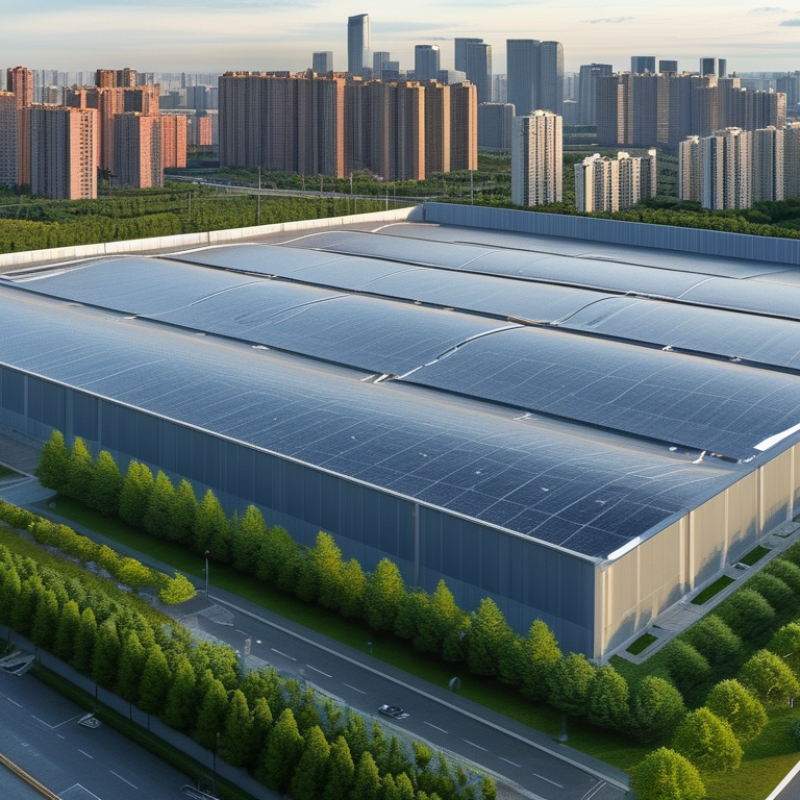
Emerging Technologies in Vacuum Insulation Board Manufacturing
Vacuum insulation boards (VIBs) are gaining traction in various industries, particularly in construction and refrigeration. The latest advancements in VIB manufacturing focus on improving thermal performance and sustainability. Emerging technologies are revolutionizing how these boards are produced, making them more efficient and eco-friendly. New methods are being explored, including the use of innovative core materials and improved manufacturing techniques. These developments promise enhanced insulation without compromising their structural integrity.
When considering VIBs, buyers should stay informed about recent innovations. Understanding the impact of these technologies can influence purchasing decisions. For instance, boards made with eco-conscious materials are increasingly favored. They not only help the environment but also provide reliable insulation performance. Market research indicates that VIBs with lower environmental footprints are becoming a priority for buyers.
Tip: Always verify the insulation values and certifications of vacuum boards before purchase. Look for third-party validation to ensure quality. Also, consider future applications; boards intended for specific uses may require different properties. Exploring these details can lead to more informed buying choices and better long-term performance.
Key Market Drivers Influencing Vacuum Insulation Board Demand
Vacuum insulation boards (VIPs) are gaining traction as a top choice for thermal management in various industries. The demand stems from the growing emphasis on energy efficiency. Businesses seek ways to reduce energy consumption and lower operational costs. VIPs provide superior insulation compared to traditional materials, making them ideal for applications in construction and logistics.
Another market driver is the increasing focus on sustainability. Companies are under pressure to adopt eco-friendly practices. VIPs contribute to energy savings over their lifespan, reducing overall environmental impact. This shift is evident in both residential and commercial projects. Additionally, the rise of innovative designs in VIP technology enhances their appeal.
However, buyers should consider the challenges ahead. The initial cost of VIPs can be higher than other insulation types. Not all applications are suited for VIPs, which might limit their use. Understanding these factors is essential for making informed purchasing decisions. Buyers must weigh benefits against potential drawbacks to ensure a successful integration into their projects.
Sustainability Trends Shaping the Future of Insulation Materials
As the demand for sustainable building materials grows, vacuum insulation boards (VIPs) are at the forefront of innovation. Recent reports indicate that the global demand for insulation materials is expected to reach $80 billion by 2026, with sustainability emerging as a key driver. Buyers should be aware of the environmental impact of materials they choose. VIPs support energy efficiency by offering superior thermal performance with minimal thickness, reducing the need for bulky insulation.
The recent shift toward eco-friendly construction practices highlights the importance of renewable materials. Experts predict that by 2026, over 35% of insulation products will incorporate recycled components. This adaptation not only lessens landfill waste but also aligns with stringent regulations aimed at minimizing carbon footprints. Buyers should assess the lifecycle of insulation products, ensuring long-term sustainability.
Yet, challenges remain. The production of VIPs can involve high energy consumption and specific raw materials that may not be sustainable in the long term. As the industry evolves, it's crucial to scrutinize sourcing practices and consider carbon-neutral options. Achieving sustainability in insulation isn’t just about the final product—it's also about the journey there.
Comparative Analysis of Vacuum Insulation Boards and Traditional Insulation
Vacuum insulation boards (VIPs) are gaining popularity due to their superior thermal efficiency. Compared to traditional insulation materials, VIPs offer a much lower thermal conductivity. A recent report by the International Energy Agency states that VIPs can achieve thermal conductivity values as low as 0.004 W/m·K, significantly outperforming conventional options like fiberglass or foam.
The lightweight nature of VIPs also plays an important role. They are thinner but provide comparable or even superior insulation. This feature allows for more efficient space utilization in construction. However, the initial cost of VIPs can be higher. A study from the Building Research Establishment highlights that while VIPs may cost up to 30% more than traditional insulation, the long-term energy savings can offset this investment.
However, there are challenges associated with VIPs. If not correctly installed, their performance can diminish quickly. They are also more sensitive to punctures and damage during installation or use. These durability concerns can lead to higher lifecycle costs if not managed properly. Despite these drawbacks, the energy efficiency benefits remain a driving force behind their adoption in modern building practices.
Top Vacuum Insulation Board Trends for 2026
| Feature | Vacuum Insulation Boards | Traditional Insulation |
| Thermal Conductivity (W/mK) | 0.007 - 0.013 | 0.035 - 0.045 |
| Thickness Range (mm) | 20 - 100 | 50 - 200 |
| Lifespan (years) | 30+ | 15 - 20 |
| Weight (kg/m²) | 2 - 5 | 10 - 25 |
| Environmental Impact | Low (recyclable) | Variable (depends on material) |
| Cost (per m²) | $50 - $120 | $10 - $30 |
Essential Factors to Consider When Purchasing Vacuum Insulation Boards
When purchasing vacuum insulation boards, several essential factors come into play. Buyers should focus on thermal performance. Look for insulation materials with low thermal conductivity. This ensures efficient energy conservation in your applications. Additionally, consider the thickness of the boards. Thinner boards can save space while maintaining performance.
Durability is another key aspect. Vacuum insulation boards must withstand various environmental conditions. In construction, they may face moisture or pressure. Therefore, opt for products that ensure strength and resistance to wear over time. The integrity of the insulation is crucial for maintaining its effectiveness.
Cost is often a significant concern as well. While high-quality insulation boards may have a steeper price, they provide greater long-term savings. Be cautious; a low upfront cost might suggest lower performance or durability. Balancing cost with quality is necessary for buyers. It's essential to research and compare different products. Understanding these factors will guide you toward making an informed purchase decision.



 08045479132
 Send Inquiry

 Send Inquiry
 Send SMS