Understanding Hydraulic Directional Control Valve for Better Efficiency?
In today’s competitive industrial landscape, the significance of the Hydraulic Directional Control Valve cannot be overstated. These components are crucial for directing fluid flow in hydraulic systems, impacting overall efficiency. According to a recent report by MarketsandMarkets, the hydraulic valve market is expected to grow from $36 billion in 2023 to $50 billion by 2028. This growth underscores the increasing demand for advanced hydraulic technologies.
However, many companies overlook the importance of optimizing their hydraulic directional control valves. Inefficient valves can lead to energy waste and increased operational costs. A study by the International Fluid Power Society highlighted that poorly maintained hydraulic systems could lose 20% to 30% of energy efficiency. This staggering loss calls for a reevaluation of valve performance and maintenance practices.
Hydraulic Directional Control Valves represent both a challenge and an opportunity for engineers. Improving valve selection and implementation can enhance system performance. Nonetheless, many practitioners struggle with common issues such as cavitation and response delays. Addressing these challenges requires ongoing education and expertise in hydraulic systems. Engaging with professional resources and industry reports will lead to better decision-making and increased efficiency in hydraulic applications.
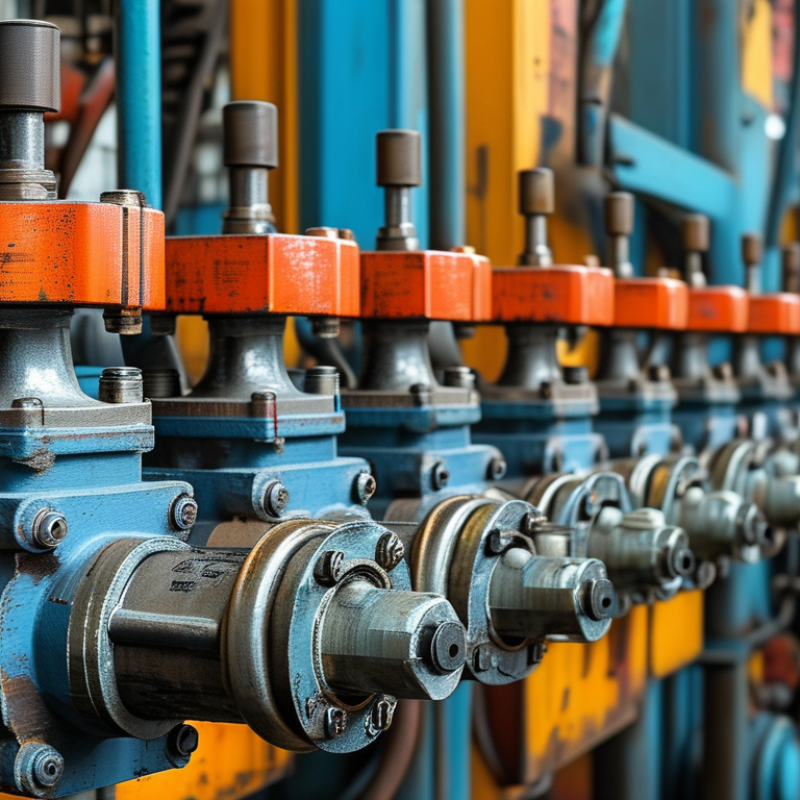
Understanding the Functionality of Hydraulic Directional Control Valves
Hydraulic directional control valves are vital in controlling fluid flow within hydraulic systems. Their efficiency directly impacts various applications, ranging from industrial machinery to mobile equipment. According to the International Fluid Power Society, approximately 30% of hydraulic system failures are linked to suboptimal valve performance. This statistic highlights the importance of understanding valve functionality.
These valves function by directing fluid to different parts of a system. They can be either open-center or closed-center designs, affecting how flow is managed. For instance, open-center valves allow continuous flow, which can lead to energy waste. Data from the Hydraulic Institute indicates that optimizing valve selection can improve system efficiency by up to 20%. However, many operators still choose valves based on familiarity rather than performance metrics, resulting in less than ideal outcomes.
Control valves also require regular maintenance. Wear and tear can cause reliability issues over time. Reports show that improper maintenance can reduce a valve’s efficiency by 15%. Operators must balance cost and performance while recognizing the need for regular inspections. This reflection on valve functionality and condition is crucial for maximizing hydraulic system effectiveness.
Key Components of Hydraulic Directional Control Valves Explained
Hydraulic directional control valves are vital in hydraulic systems. These components manage the flow of hydraulic fluid, enabling precise control over machinery. Understanding their key elements is crucial for efficiency.
The valve body houses various internal components. Spools, for example, shift to direct flow. Their design influences speed and responsiveness. Reports indicate that properly adjusted spools can improve efficiency by 20%. However, improper installation may lead to leaks or inefficient operation. This not only reduces performance but can increase operational costs significantly.
Seals and actuators are also central to function. Seals prevent fluid leaks, which can waste resources. Studies show that up to 15% of hydraulic energy can be lost through leaks. Actuators convert hydraulic energy into mechanical motion, allowing for powerful movements. If actuators are misaligned, they can fail, leading to costly downtime. Regular maintenance and checks are essential for reliability, but they are often neglected. Understanding these components aids in optimizing performance and minimizing downtime.
Working Principles of Hydraulic Directional Control Valves in Systems
Hydraulic directional control valves play a crucial role in fluid power systems. They direct the flow of hydraulic fluid to specific components, such as cylinders and motors. This regulation is essential for achieving desired movements and operational efficiency.
The working principle of these valves hinges on mechanical actuators that shift ports. When actuated, the valve allows fluid to flow towards the intended mechanical load. There are various types of directional control valves, including spool and poppet configurations. Each type has its own method for controlling flow direction. This variation can influence system efficiency and performance.
Understanding the nuances of hydraulic valves is vital. Improper selection or maintenance can lead to reduced efficiency. Dirty fluid or worn components can cause irregular operation. Observing fluid characteristics and controller performance ensures longevity and reliability. Regular assessments can help identify areas for improvement, leading to a more robust hydraulic system.
Understanding Hydraulic Directional Control Valve for Better Efficiency
| Feature | Description | Benefits | Applications |
| Flow Direction Control | Regulates the direction of fluid flow in a hydraulic system. | Enhanced efficiency and performance in fluid applications. | Construction machinery, agricultural equipment. |
| Pressure Control | Maintains desired pressure levels in the system. | Prevents system overload and optimizes energy usage. | Industrial hydraulic systems, presses. |
| Two-Way Operation | Allows control of movement in both directions. | Increased versatility and efficiency of machinery. | Robotic systems, automation machinery. |
| Manual or Electric Actuation | Can be operated manually or via electric signals. | Flexible operation modes according to system requirements. | Mobile equipment, automated assembly lines. |
Benefits of Using Hydraulic Directional Control Valves for Efficiency
Hydraulic directional control valves play a crucial role in enhancing efficiency across various machinery. According to industry reports, proper valve selection can boost system efficiency by up to 30%. These valves manage fluid flow direction, thereby optimizing operation cycles and reducing energy waste. Effective flow direction minimizes downtime, ensuring smoother performance.
The integration of hydraulic valves helps in precise speed control and improved responsiveness. In a recent study, facilities equipped with advanced directional control systems reported a decrease in energy consumption by an average of 15%. This not only cuts costs but also reduces the carbon footprint. Engineers emphasize the need for regular maintenance to keep these systems at peak performance.
Tips for maintaining hydraulic valves include checking for leaks regularly and ensuring seals are intact. Keep an eye on fluid cleanliness; contaminants can significantly impact efficiency. Performance can degrade over time, making periodic assessments essential. A proactive approach to maintenance fosters optimal operational efficiency.
Common Applications and Industries Utilizing Hydraulic Directional Control Valves
Hydraulic directional control valves play a crucial role in various industries. They guide the flow of hydraulic fluid, allowing equipment to operate smoothly. Common applications include construction machinery, agricultural equipment, and material handling systems. These valves ensure that while one function occurs, another can conveniently pause or adjust.
In construction, hydraulic valves enable excavators to dig efficiently. Operators can switch between various functions like lifting, tilting, or rotating. In agriculture, they control the movement of tractors and planters, allowing for precise operations. However, improper use can lead to inefficiencies, such as slow responses or wear.
Manufacturing settings also benefit significantly. Hydraulic systems control robotic arms and conveyor belts. Mismanagement in calibrating the valves can cause delays. Understanding these complexities is essential for enhancing productivity and minimizing downtime. Knowledge of valve types and configurations can help in making informed decisions to optimize system performance.



 08045479132
 Send Inquiry

 Send Inquiry
 Send SMS
