| 1. Manual-adjustment side mirror | Lets the driver set the mirror angle by hand to view traffic behind and beside the vehicle. | Simple mechanical adjustment; commonly paired with a manual folding joint. | Check whether adjustment is made at the mirror itself or through an interior control. |
| 2. Electrically adjustable side mirror | Moves the mirror glass using an electric motor controlled from inside the cabin. | Cabin-mounted switch; may offer separate adjustment for left and right mirrors. | Confirm connector, wiring, and control compatibility with the vehicle’s year and trim. |
| 3. Heated side mirror | Uses an electric heating element behind the glass to help clear light frost, condensation, or mist. | Usually activated by a rear-window defogger control or a dedicated switch. | Verify that the vehicle has the required wiring and control; heating does not replace manual snow removal. |
| 4. Manually folding side mirror | Folds inward by hand to reduce the mirror’s projection when parked or passing through a narrow space. | Pivoting joint; may be combined with manual or electric glass adjustment. | Check the folding direction and joint design against the original mirror assembly. |
| 5. Power-folding side mirror | Folds and unfolds electrically, typically using a cabin switch or vehicle locking controls. | Electric folding motor; some versions combine folding with powered glass adjustment. | Confirm the vehicle supports powered folding; the mirror may require matching switches and wiring. |
| 6. Wide-angle or aspherical mirror glass | Provides a wider view of adjacent lanes and can help reduce blind areas beside the vehicle. | May use a curved outer section; some glass carries a small warning marking. | Objects can appear smaller or farther away; check the glass shape and mounting points before purchase. |
| 7. Side mirror with integrated turn signal | Adds a visible indicator on the mirror housing to communicate a turn or lane-change intention. | Typically uses an LED or bulb module connected to the vehicle’s indicator circuit. | Check the electrical connector, lamp position, and local lighting requirements. |
| 8. Side mirror with blind-spot indicator | Displays a visual alert when a compatible driver-assistance system detects a vehicle in a monitored area. | Indicator may be built into the glass or housing and depends on sensors and vehicle electronics. | A mirror alone does not provide detection; confirm the complete system is installed and compatible. |
| 9. Auto-dimming interior rear-view mirror | Automatically reduces reflected glare from headlights behind the vehicle. | Uses light sensors and a dimming element; some versions include a compass or other display. | This is a cabin mirror, not a side mirror; check mounting and electrical connections. |
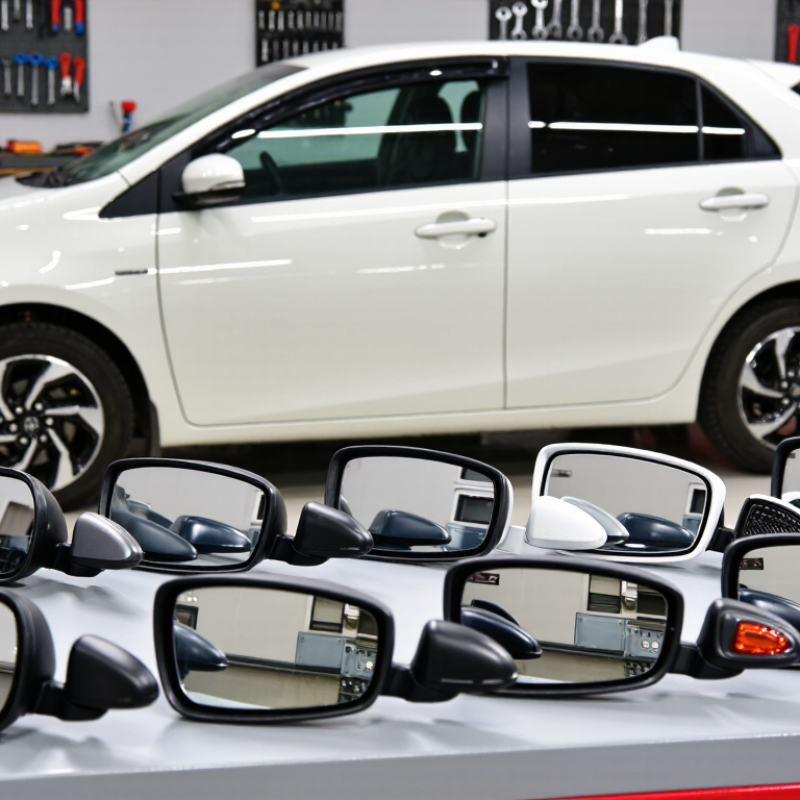
| 10. Complete replacement mirror assembly | Replaces a damaged mirror housing and may restore adjustment, folding, heating, or indicator functions. | Can include housing, glass, mounting base, actuator, wiring, and optional lighting or heating components. | Match the side, production year, body style, steering configuration, connector, and fitted options. |



 08045479132

 Send Inquiry


 Send Inquiry
 Send SMS

