| Smartphones | Approximately 4.7–7 inches | Projected-capacitive multi-touch | Consumer mobility, field work, communications and digital services | High brightness, low power consumption, scratch resistance, strong touch sensitivity and cellular connectivity | Anchor category
IDC’s referenced 2026 shipment forecast of 1.24 billion units makes smartphones the largest volume driver for touch-enabled devices. | Cover-glass strength, outdoor readability, glove compatibility, display refresh rate, water resistance and long-term component availability |
| Tablets | Approximately 7–14 inches | Projected-capacitive multi-touch, often with active-pen support | Education, hospitality, healthcare, retail and home entertainment | Light weight, durable enclosure, long battery life, wide viewing angles and easy device management | High-volume adjacent category
Demand is supported by mobile productivity, digital learning and shared-service applications. | Pen accuracy, palm rejection, drop resistance, antimicrobial surface options, charging-cycle life and operating-system compatibility |
| Touchscreen Laptops and 2-in-1 PCs | Approximately 11–17 inches | Projected-capacitive multi-touch with optional stylus input | Office work, creative production, education and mobile productivity | Low input latency, hinge durability, precise pen performance, high resolution and efficient thermal design | Productivity-led growth
Touch capability is increasingly used where keyboard, trackpad and direct screen interaction must coexist. | Digitizer integration, anti-glare treatment, hinge-cycle testing, palm rejection, color accuracy and energy efficiency |
| Smartwatches and Wearable Displays | Approximately 1–2 inches | Projected-capacitive touch, crown or button-assisted navigation | Personal health, fitness, notifications and contactless services | Low power consumption, sunlight readability, compact sensors, water resistance and reliable touch through light moisture | Fast-growing niche
Touch demand is linked to health monitoring, short-form notifications and hands-free mobile use. | Optical bonding, low-power display modes, sweat and water tolerance, small-form-factor reliability and biometric sensor integration |
| Automotive Touch Displays | Approximately 7–17 inches per display zone | Projected-capacitive touch with physical controls or haptic feedback | Instrument clusters, center consoles, rear-seat entertainment and vehicle controls | Wide temperature tolerance, optical clarity, low reflection, vibration resistance and safe operation while driving | Long-cycle OEM demand
Vehicle electrification and software-defined interiors are expanding the number of in-cabin touch interfaces. | Automotive-grade qualification, sunlight performance, dielectric-glove operation, electromagnetic compatibility and extended service life |
| Point-of-Sale and Payment Terminals | Approximately 3–15 inches | Projected-capacitive or resistive touch, depending on enclosure and glove use | Retail counters, restaurants, transport hubs and mobile commerce | Fast response, tamper-resistant construction, easy cleaning, payment-security integration and continuous-duty reliability | High replacement demand
Cashless payments, self-service checkout and distributed retail operations sustain demand for compact touch terminals. | EMV-compatible integration, chemical resistance, privacy filtering, secure enclosures, thermal management and serviceability |
| Self-Service Kiosks | Approximately 10–32 inches | Projected-capacitive multi-touch or infrared touch for larger formats | Airports, hospitals, hotels, retail stores and public services | High uptime, vandal resistance, accessibility, easy sanitation and visibility in bright indoor environments | Deployment expansion
Labor-saving automation and multilingual self-service applications continue to broaden kiosk use. | Impact-resistant cover glass, thermal control, accessibility height, high-touch-cycle endurance and remote monitoring |
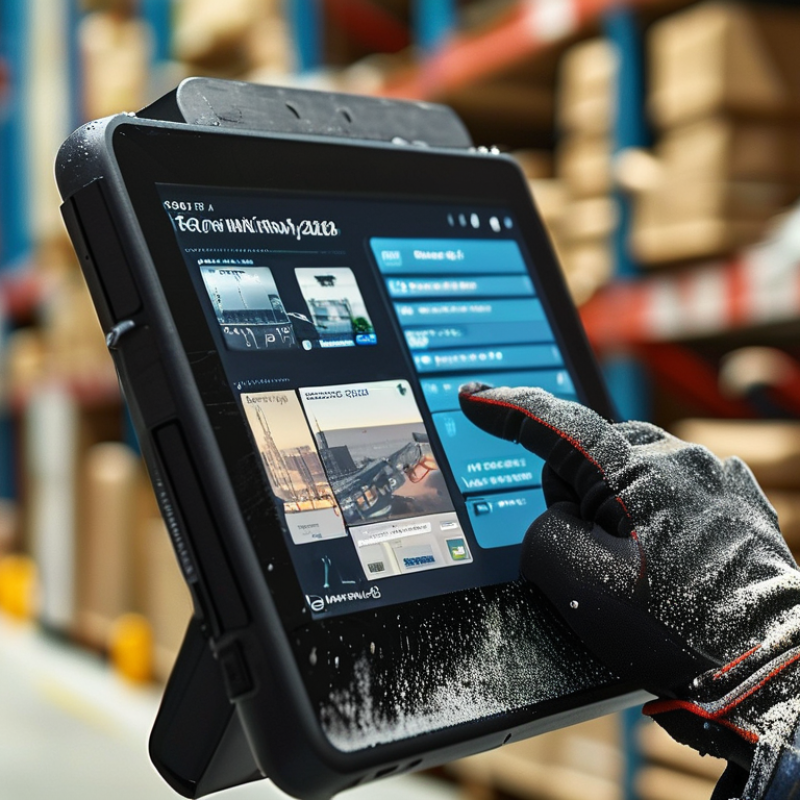
| Industrial Human-Machine Interfaces | Approximately 4–24 inches | Projected-capacitive, resistive or infrared touch | Factories, warehouses, utilities and process-control environments | Operation with gloves, resistance to dust and liquids, wide temperature range and long product availability | Mission-critical demand
Industrial digitization and connected equipment require durable touch interfaces for monitoring and control. | IP-rated sealing, shock and vibration resistance, glove touch, anti-glare coatings, industrial communication support and panel-mount options |
| Medical Touchscreen Devices | Approximately 5–27 inches | Projected-capacitive or resistive touch with clinical-use surface options | Patient monitoring, diagnostic equipment, medical carts and clinical workstations | Easy disinfection, accurate input, low noise, reliable operation and compatibility with regulated equipment systems | Regulated growth segment
Healthcare digitization increases demand for cleanable and dependable touch interfaces. | Disinfectant resistance, sealed edges, medical electrical-safety requirements, antimicrobial options and glove usability |
| Interactive Education and Meeting Displays | Approximately 55–86 inches | Infrared multi-touch or projected-capacitive touch | Classrooms, training rooms, conference spaces and collaborative workplaces | Large viewing area, multi-user touch, low writing latency, strong speakers and easy wireless content sharing | Project-based demand
Hybrid learning and collaboration programs support purchases of large-format interactive displays. | Touch-point count, optical bonding, anti-glare glass, pen tracking, wall-mount safety and continuous-use thermal design |



 08045479132
 Send Inquiry

 Send Inquiry
 Send SMS