Choosing a Steel Pipe Making Machine in 2026 means judging more than advertised speed. Buyers need to compare forming accuracy, weld consistency, changeover time, and support for dies and electrical controls. A line may look impressive in a showroom. It still needs to run steadily across long shifts.
The World Steel Association’s World Steel in Figures 2025 reports 1,882.6 million tonnes of crude steel production in 2024. That figure describes the wider steel sector, not pipe-machine demand, but it shows the scale of the industrial base these manufacturers serve. OECD steel reports also track capacity and market pressures that can influence investment decisions. Check each report’s scope and date; broad steel statistics are not a substitute for machine-level performance evidence.
One practical test is simple. Can the line hold pipe dimensions at production speed? Buyers should ask for verified output data, sample weld inspections, references from comparable plants, and clear service-response terms. Ask about scrap rates, too. They are easy to overlook. A credible comparison should separate tested results from sales claims and explain the conditions behind each number. This introduction does not include a named expert quotation because no verifiable, published statement from a Steel Pipe Making Machine specialist was provided. That gap matters. A fabricated quote would weaken the trust this buying guide should earn.
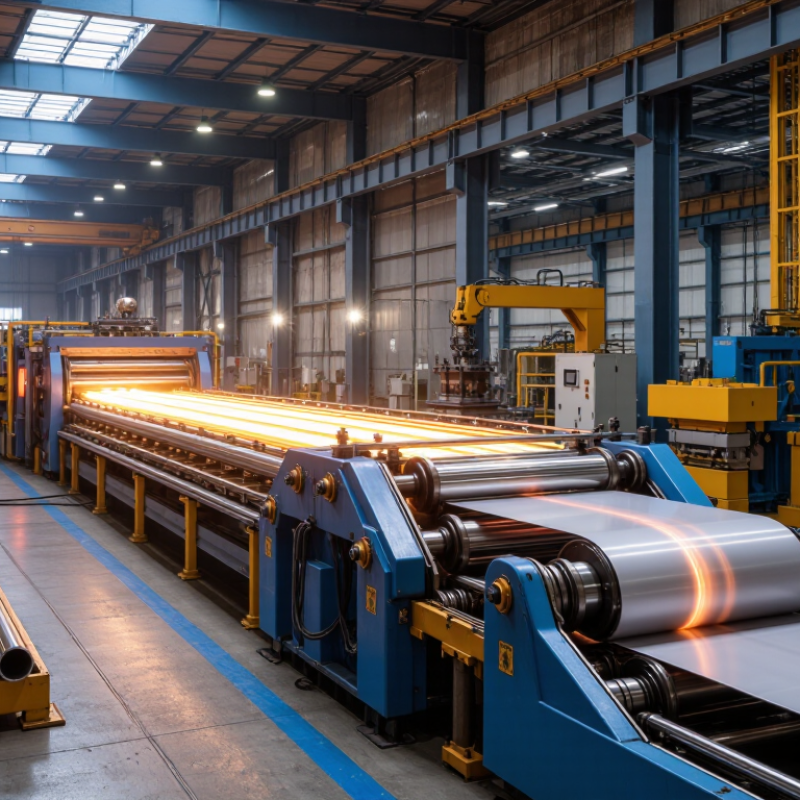
Steel pipe making machines transform steel strip, coil, or billets into pipes with controlled dimensions and finished edges. In an electric-resistance-welding line, rollers gradually form a flat strip into a tube; a welding station joins its edges, and sizing stands refine the diameter. The cut ends can still feel warm after forming. Seamless lines instead pierce and roll heated billets, while spiral-welded lines form larger pipes from coiled plate. Each process suits different sizes, wall thicknesses, and production needs.
These machines serve construction, water systems, energy networks, agriculture, and vehicle manufacturing. Small-diameter tubes may frame furniture or carry fluids inside equipment; large-diameter pipe can move water across long distances. The World Steel Association’s World Steel in Figures 2024 reports 1,888.2 million tonnes of crude steel production worldwide in 2023. That figure describes steel production, not pipe output, but it shows the scale of material feeding downstream manufacturing. In practice, operators monitor weld quality, roll alignment, and dimensional checks closely. A slight forming error can create scrap. Maintenance matters, too: worn tooling may quietly affect consistency before defects become obvious. Machine choice is only part of the picture; inspection and skilled setup matter just as much.



 08045479132

 Send Inquiry


 Send Inquiry
 Send SMS

