Top RF Resistor Types for Global Buyers to Consider?
In the world of electronic components, RF Resistors play a pivotal role. These specialized resistors are crucial in radio frequency applications. They ensure signal integrity and effective power handling. Choosing the right RF resistor type can impact performance significantly.
There are several RF resistor types available to global buyers. Each type has its unique benefits and potential drawbacks. For instance, thin-film resistors provide excellent stability but may be more expensive. On the other hand, thick-film resistors are robust and cost-effective but might compromise precision.
Understanding these characteristics is essential for making informed decisions. Buyers must consider factors like temperature coefficient, power rating, and frequency response. Involving experts in RF technology can help navigate these complexities. Ultimately, selecting the ideal RF resistor requires careful thought and analysis. It may not be straightforward, but the right choice can enhance overall system effectiveness.
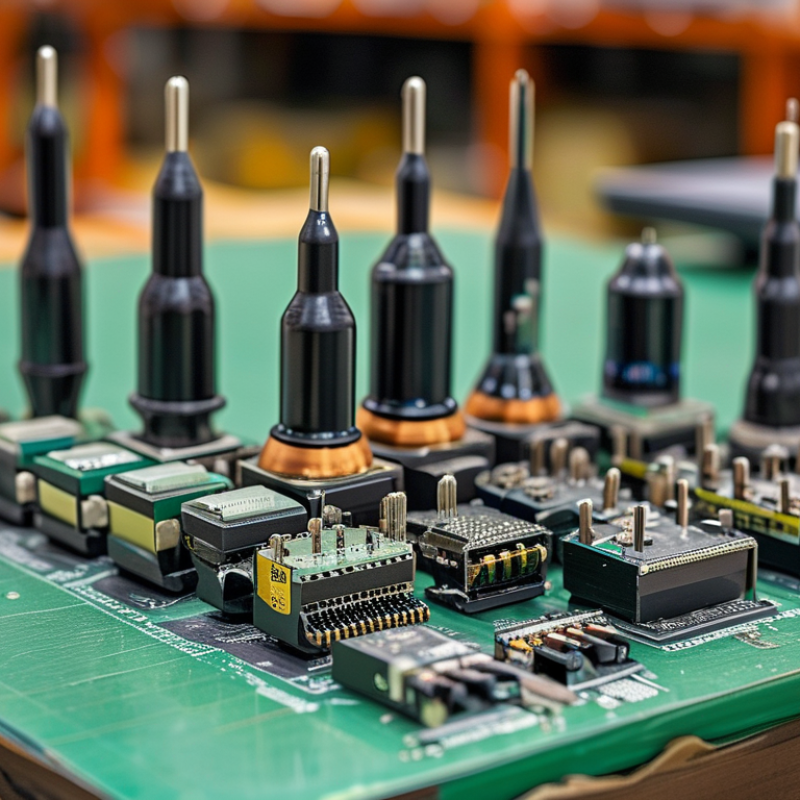
RF Resistor Overview: Importance and Applications
RF resistors play a crucial role in various electronic applications. They are essential components that help manage signals in high-frequency circuits. With their ability to handle microwave frequencies, these resistors maintain signal integrity. This importance in communication systems cannot be overstated. A reliable RF resistor ensures that signals are transmitted without distortion.
Applications of RF resistors span a wide range. They are often used in radio frequency amplifiers, attenuators, and load resistors. Their precise resistance values are vital in tuning circuits for optimal performance. In many cases, choosing the wrong resistor can lead to inefficiencies. Engineers must consider dissipation factors and power rating. Mistakes in selection can affect the overall design and functionality of the system.
Understanding the significance of RF resistors requires attention to detail. The quality of a resistor can influence the performance of an entire circuit. Buyers and engineers alike must remain informed about types and specifications. It's important to regularly review advances in technology and materials. This knowledge can be a game-changer in circuit design and application.
Types of RF Resistors: A Comprehensive Classification
When exploring RF resistors, understanding their types is crucial. RF resistors are categorized based on their construction and performance characteristics. Common types include thick film resistors, thin film resistors, and wire-wound resistors. According to industry reports, thick film resistors are widely used due to their cost-effectiveness and robustness in various applications. Thin film resistors provide higher precision and lower noise, making them suitable for high-frequency designs.
Wire-wound resistors, on the other hand, deliver high power handling capabilities and stability but can be bulkier. Market analysis reveals that the global RF resistor market is projected to grow significantly, indicating strong demand for these components. This growth is driven by rising applications in telecommunications and consumer electronics.
Tips: When selecting RF resistors, consider power ratings and thermal stability. Ensure your choice meets the specific demands of your application. It's also wise to evaluate reliability under varying environmental conditions, particularly for long-term projects. A well-informed choice can impact performance considerably.
Top RF Resistor Types for Global Buyers to Consider
This chart illustrates the market demand for various types of RF resistors. As seen, Thin Film Resistors lead the demand followed closely by Metal Film Resistors, showcasing the preferences of global buyers.
Key Features to Consider When Selecting RF Resistors
When selecting RF resistors, several key features should be taken into account. The first is the power rating. Ensure the resistor can handle the power level in your application. Resistors with too low a power rating may overheat, leading to failure. It's essential to balance performance with safety to avoid potential hazards.
Another consideration is the resistance value. It should meet the specific impedance requirements of your circuit. A mismatch can result in signal loss or distortion. Additionally, the temperature coefficient is crucial. This parameter indicates how resistance changes with temperature. A low temperature coefficient ensures stability in varying environmental conditions.
Choosing the right RF resistor often requires trial and error. Designers may initially pick a resistor based on theoretical values. However, real-world performance can differ. Testing and adjusting are vital for optimizing circuit efficiency. Make sure to document your findings for future reference. Each choice can influence the overall system, so understanding the implications of these attributes is essential.
Comparative Analysis of Popular RF Resistor Brands
When considering RF resistors, a comparative analysis of popular brands is essential. Different brands offer varying characteristics. Some excel in frequency stability, while others prioritize thermal performance. Each has unique strengths and weaknesses worth examining closely.
For instance, one notable characteristic is power handling. Some RF resistors handle high wattage, yet may compromise on size. This could be a reflection point for users needing compact solutions. On the other hand, stability at high frequencies is crucial for many applications. Brands often advertise their high-frequency performance, but empirical testing can reveal inconsistencies.
It's also vital to consider manufacturing techniques. Some brands utilize advanced materials, enhancing reliability. However, the cost might not always justify the performance gains. Buyers should weigh these factors carefully. Reflection on these differences can lead to better choices tailored to specific needs.
Future Trends in RF Resistor Development and Technology
The demand for RF resistors continues to evolve. As technology advances, the focus shifts to improving performance and reliability. Manufacturers are exploring new materials and designs to enhance heat resistance and minimize thermal noise. This trend is crucial for applications in telecommunications and aerospace.
One significant direction is the move towards miniaturization. Smaller RF resistors maintain performance while fitting into compact devices. However, achieving balance between size and functionality presents challenges. Not all designs can reach the same efficiency levels. Striking this balance requires ongoing innovation and testing.
Another trend is the integration of smart technologies. Embedding sensors in RF resistors can provide real-time data. This functional enhancement aids in monitoring and managing device performance. Yet, integrating such technology comes with complexity and potential reliability issues. The future promises exciting developments, but they will require careful consideration and adaptation.
Top RF Resistor Types for Global Buyers to Consider - Future Trends in RF Resistor Development and Technology
| Resistor Type | Power Rating (W) | Tolerance (%) | Temperature Coefficient (ppm/°C) | Frequency Range (GHz) | Application |
| Thin Film Resistor | 0.1 - 2 | ±0.1 | 50 | DC - 40 | Precision Measurement |
| Thick Film Resistor | 0.25 - 5 | ±1 | 100 | DC - 10 | General Purpose |
| Wirewound Resistor | 1 - 50 | ±5 | 30 | DC - 12 | High Power Applications |
| Metal Film Resistor | 0.1 - 3 | ±1 | 50 | DC - 5 | Signal Processing |
| Ceramic Resistor | 0.5 - 10 | ±2 | 100 | DC - 8 | High Temperature Applications |



 08045479132
 Send Inquiry

 Send Inquiry
 Send SMS