| Non-thermally broken, double-pane | Aluminum frame without an insulating barrier between the interior and exterior frame surfaces | About 0.45–0.70 | Clear or basic low-emissivity (low-e) double glazing; solar heat gain coefficient (SHGC) varies by glass selection | Conductive frame can be a major source of heat transfer, even when the glass is insulated. | Projects where initial cost or slim frame profiles take priority over maximum thermal performance |
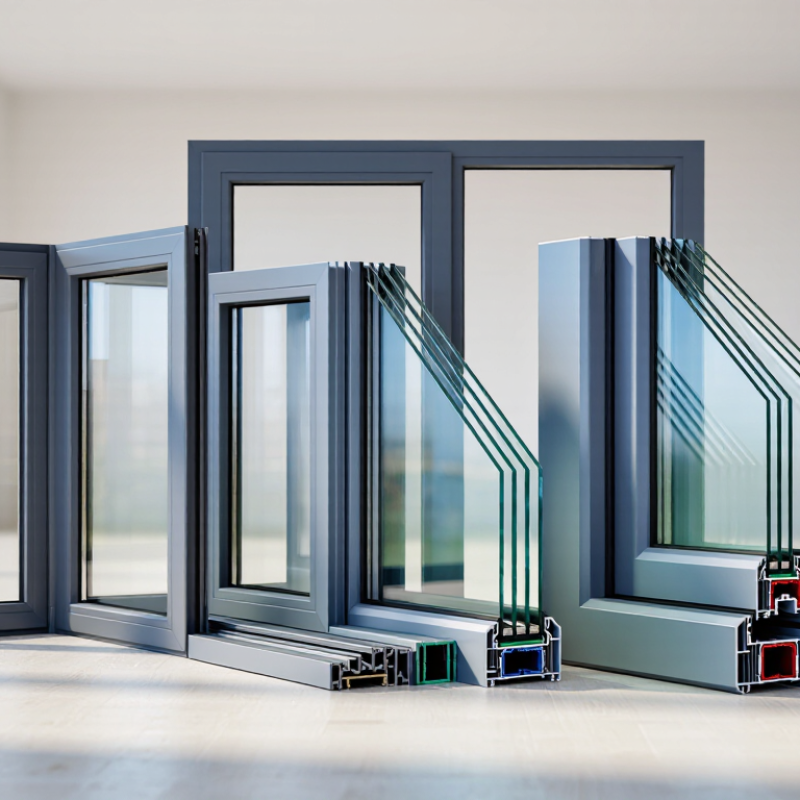
| Thermally broken, double-pane | Frame sections separated by a low-conductivity thermal barrier | About 0.30–0.50 | Insulating glass unit; clear glass generally admits more solar heat than solar-control low-e glass | The thermal break reduces heat flow through the frame. Glass type, spacer, window size, and frame design affect the final rating. | Moderate climates and projects seeking a balance of daylight, cost, and efficiency |
| Thermally broken, low-e double-pane with argon | Continuous thermal barrier paired with an insulated frame design | About 0.25–0.40 | Low-e coated glass with an argon-filled insulating cavity; SHGC can be selected for the climate and orientation | Low-e coatings reduce radiative heat transfer; argon can reduce heat transfer across the sealed cavity compared with air. | A strong all-around option for many energy-conscious projects |
| Thermally broken, triple-pane low-e | Thermal-break frame designed to support a heavier, deeper glazing unit | About 0.18–0.30 | Three panes with low-e coatings and insulating gas-filled cavities; SHGC depends on the coating package | Often provides the lowest heat transfer, but added weight, cost, frame depth, and installation details need consideration. | Cold climates, exposed locations, and projects prioritizing low heat loss |
| Thermally broken, solar-control low-e | Thermal-break frame; glazing selected to limit unwanted solar gain | About 0.25–0.45, depending on the full assembly | Solar-control low-e glazing commonly has a lower SHGC than clear or high-solar-gain glass | Lower SHGC can help reduce cooling loads, but may also reduce useful winter solar heat and visible light. | Hot climates, west-facing windows, and areas with strong summer sun |
| Thermally broken, high-solar-gain low-e | Thermal-break frame paired with glazing that allows more solar heat indoors | About 0.25–0.45, depending on the full assembly | Low-e glazing selected for relatively higher SHGC than solar-control glass | Can admit useful winter sunlight; shading, orientation, and summer overheating risk should be assessed. | Cold climates and carefully designed south-facing elevations |



 08045479132

 Send Inquiry


 Send Inquiry
 Send SMS

