Top Nasal Opening Strips for Snoring and Better Breathing
Snoring often begins with a small, familiar struggle: a stuffy nose, dry air, or the sound of breathing that grows louder after bedtime. Nasal Opening Strips are flexible adhesive bands placed across the outside of the nose. They gently pull the sides outward, which may make nasal breathing feel easier for some people. A clearer breath can be welcome. It is not a guaranteed quiet night.
In his published work on sleep and breathing, otolaryngologist Dr. Steven Y. Park emphasizes that nasal airflow is only one part of the picture; snoring can have different causes. This is a paraphrased expert takeaway, not a direct quotation. That distinction matters. Strips may be useful when nasal congestion or narrow nasal passages contribute to noisy breathing, but they do not treat obstructive sleep apnea or every source of snoring. Persistent loud snoring, gasping, or pauses in breathing deserve medical attention.
This guide compares leading Nasal Opening Strips by comfort, fit, adhesive strength, and value. We’ll consider how each feels on sensitive skin, whether it stays in place overnight, and how easily it comes off in the morning. Small details count. A strip that pinches, lifts at the edges, or irritates the skin may end up unused in a bedside drawer. Results also vary, and that uncertainty deserves an honest place in any buying decision.
What Nasal Opening Strips Are and How They Work
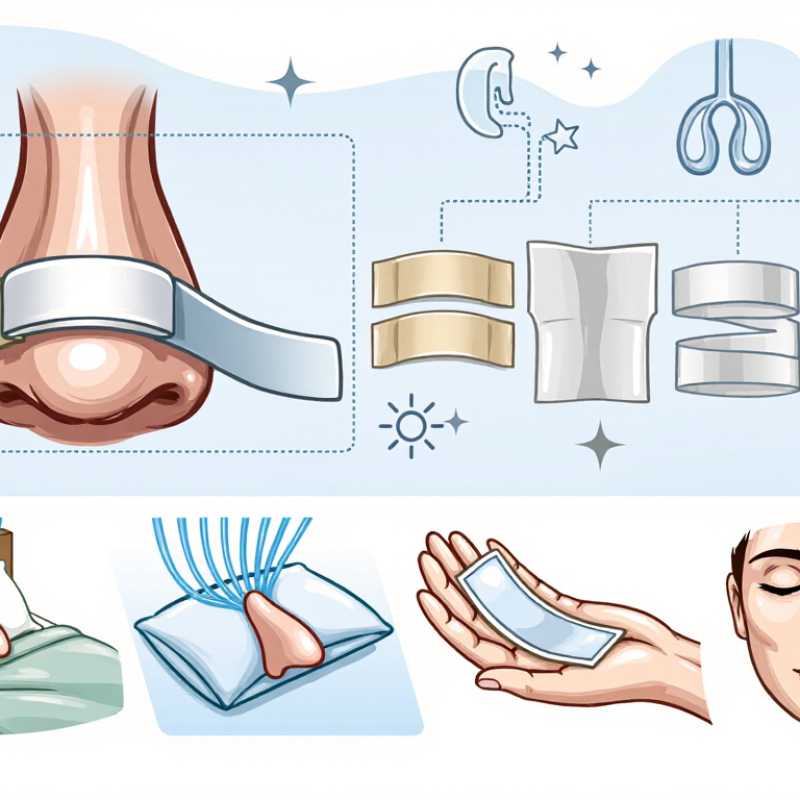
Nasal opening strips are flexible adhesive bands placed across the outside of the nose. Small spring-like supports in the strip gently lift the skin beside the nostrils. This can widen the nasal valve, the narrow area near the entrance of the nose, and make airflow feel less restricted. The strip works mechanically; it does not deliver medicine or open the deeper airways. That distinction matters.
Some people notice easier nasal breathing when lying down, exercising, or dealing with temporary stuffiness. Snoring may become quieter if nasal resistance contributes to noisy breathing, but snoring often starts farther back in the throat. Results vary. A strip cannot diagnose or treat sleep apnea, and persistent loud snoring or pauses in breathing deserve medical attention. For a fair trial, apply it to clean, dry skin and follow the package directions. Pulling it off roughly can irritate sensitive skin, and adhesive may not suit everyone. Fit can be surprisingly personal: a band that feels secure on one nose may tug uncomfortably on another. Small changes in airflow can feel noticeable, yet they do not always explain the whole problem.
How Nasal Strips May Help With Snoring and Breathing
Nasal opening strips work from the outside. Their flexible bands gently lift the sides of the nose, helping keep the nasal passages more open during inhalation. This may ease breathing when congestion or narrow nasal openings make airflow feel restricted. A strip cannot clear mucus or treat the underlying cause of persistent congestion. Small change, sometimes.
For some people, easier nasal breathing may reduce snoring, particularly when snoring is linked to blocked nasal airflow. The effect varies, and a strip may do little if snoring comes from vibration farther back in the throat. Fit matters: place the strip across clean, dry skin, following its instructions, and stop if irritation develops. It is easy to overread one quiet night; sleep position, allergies, and ordinary variation can all affect noise. Persistent loud snoring, choking sounds, or pauses in breathing deserve medical attention, since nasal strips do not treat sleep apnea.
Top Nasal Opening Strips for Snoring and Better Breathing - How Nasal Strips May Help With Snoring and Breathing
| Option | How It Works | May Suit | Potential Effect on Snoring | Practical Considerations |
| Adhesive external nasal strip | Flexible bands adhered across the outside of the nose gently pull the sides of the nasal passages outward. | People whose nasal airflow feels restricted, especially around the nostrils. | May help some people when nasal blockage contributes to snoring; results vary and are not guaranteed. | Single-use; skin should be clean and dry before application. Adhesives may irritate sensitive skin. |
| Reusable external nasal dilator | A reusable spring-like device sits on the outside of the nose and applies outward tension to the nasal walls. | People seeking an external option without disposable adhesive strips. | Could reduce snoring related to nasal narrowing for some users, but it does not address every cause of snoring. | Fit and comfort depend on nose shape. Clean according to the device instructions and stop if irritation occurs. |
| Internal nasal dilator | A small, usually reusable insert gently supports the nostrils from inside to help keep the nasal entrance open. | People who prefer an in-nose device and can find a comfortable, well-fitting size. | May improve airflow sensation; evidence that nasal dilators reliably stop snoring is limited and effects differ between individuals. | May feel uncomfortable or dry the nose. Keep clean and do not force an insert that causes pain or bleeding. |
| No nasal dilator | No device is used to mechanically widen the nasal entrance. | People with comfortable nasal breathing or those who find dilators irritating or ineffective. | Snoring may have causes unrelated to nasal narrowing, so a nasal strip may make little difference. | Persistent nasal congestion may warrant assessment for allergies or other nasal conditions. |
Note: Nasal strips and dilators may make nasal breathing feel easier, but they do not treat obstructive sleep apnea. Seek medical advice for loud persistent snoring, witnessed pauses in breathing, or significant daytime sleepiness.
Features to Compare When Choosing Nasal Strips
When comparing nasal opening strips, focus on fit, adhesive, flexibility, and skin comfort—not claims of “maximum” lift. Measure the width of your nasal bridge and choose a size that sits flat without pulling at the cheeks. A strip should feel secure, not painful. Check whether its adhesive suits sensitive skin, and look for clear instructions on removal. A stronger pull is not automatically better; comfort often matters more by morning.
An American Academy of Sleep Medicine-commissioned 2019 analysis estimated that 29.3 million U.S. adults had obstructive sleep apnea. Nasal strips may ease nasal resistance for some people, but they do not diagnose or treat sleep apnea. Loud snoring with breathing pauses, choking, or daytime sleepiness deserves clinical assessment. Product claims can sound certain; real results vary.
Tips: Apply to clean, dry skin, and center the strip across the bridge. Try it while awake first. Stop if your skin becomes irritated. Don’t rely on a strip alone when symptoms persist.
Top Nasal Strip Options for Different Needs
Nasal strips suit different needs, and the best fit often depends on comfort as much as lifting strength. Standard flexible strips may help when the sides of the nose feel restricted during sleep or exercise. They sit across the bridge and gently pull the nostrils outward. A stronger strip may feel more supportive, but more tension is not automatically better. It can irritate skin or feel tight by morning.
For sensitive skin, look for a gentle adhesive and test a small area before wearing a strip overnight. If strips peel off on oily skin, washing and drying the nose first may improve adhesion. Small and large sizes matter, too: a strip that extends beyond the nose’s natural curves may lift unevenly. Fit can be fiddly. A mirror helps, though the first try may still look slightly crooked.
People who mainly want quieter sleep should keep expectations modest. Nasal strips may ease airflow for some people, especially when nasal narrowing plays a role, but they do not treat every cause of snoring. They also cannot keep the throat open. If loud snoring comes with pauses in breathing, gasping, or persistent daytime fatigue, seek medical advice rather than relying on a strip. Comfort is useful evidence, but it is not a diagnosis.
External strips adhere to the outside of the nose, while internal dilators sit inside the nostrils. Both provide drug-free mechanical support; neither treats sleep apnea. Nasal dilators may help airflow when nasal narrowing contributes to breathing difficulty or snoring, but results vary.
Safe Use, Limitations, and When to Seek Medical Advice
Nasal opening strips can gently lift the sides of the nose, making airflow through the nasal passages feel easier. They may help when congestion contributes to noisy breathing. Yet they do not hold the throat open during sleep or treat obstructive sleep apnea. Small help, not a cure. The American Academy of Sleep Medicine’s 2016 prevalence analysis estimated that 29.4 million U.S. adults had obstructive sleep apnea. It also estimated that roughly 80% had not been diagnosed.
Tips: Apply a strip to clean, dry skin and follow its directions. Remove it slowly; stop if burning, rash, or skin damage appears. Avoid irritated skin. A strip can feel reassuring, but that feeling alone cannot confirm better oxygen levels.
Ask a clinician about loud, persistent snoring, witnessed breathing pauses, choking or gasping, or marked daytime sleepiness. These signs warrant assessment, especially alongside high blood pressure or morning headaches. A clinician may recommend a sleep evaluation; nasal strips should not delay it. If nasal blockage continues, discuss possible causes and suitable options with a healthcare professional.



 08045479132

 Send Inquiry


 Send Inquiry
 Send SMS

