| 1 | Underground Load-Haul-Dump (LHD) Loader | Hard-rock underground mines, room-and-pillar mines, stopes and development headings | 0.8–14 m³ | 1.5–21 tonnes | Diesel or battery-electric | Low profile, articulated steering, high breakout force and efficient loading-hauling-dumping cycles | Narrow drifts, steep underground access routes and mines requiring low overall machine height | Match the loader height, bucket width and turning radius to the mine opening |
| 2 | Underground Wheel Loader | Underground construction, limestone, salt, potash and larger tunnel headings | 1.5–6 m³ | 2.5–10 tonnes | Diesel or electric | Good mobility, fast loading cycles and easier transfer between underground work areas | Moderate-to-large headings with adequate ventilation and relatively firm floor conditions | Check emissions, ventilation demand, ground clearance and service access |
| 3 | Battery-Electric Underground Loader | Underground hard-rock mines, deep mines and areas with strict air-quality requirements | 1.0–14 m³ | 2–21 tonnes | Rechargeable battery-electric drive | Zero tailpipe emissions at the work face, lower heat output and reduced diesel particulate exposure | Deep or poorly ventilated mines, mines with decarbonization targets and high electricity availability | Evaluate battery chemistry, charging infrastructure, duty-cycle duration and replacement cost |
| 4 | Compact Underground Loader | Small-vein mines, narrow-vein operations, utility tunnels and confined excavation areas | 0.3–2.5 m³ | 0.5–4 tonnes | Diesel, electric or battery-electric | Very small turning envelope, low machine height and access to restricted working areas | Narrow tunnels, low roof heights, small shafts and mines with limited underground logistics | Prioritize machine width, operator visibility, articulation angle and transport dimensions |
| 5 | Heavy-Duty Underground Hard-Rock Loader | Large-scale metal mines, block-cave mines and high-production underground stopes | 6–14 m³ | 10–21 tonnes | High-power diesel or battery-electric | High productivity, strong structures and large bucket options for continuous production loading | Large underground infrastructure, long haul distances and high-volume ore production | Compare payload-to-weight ratio, structural durability, tire life and maintenance support |
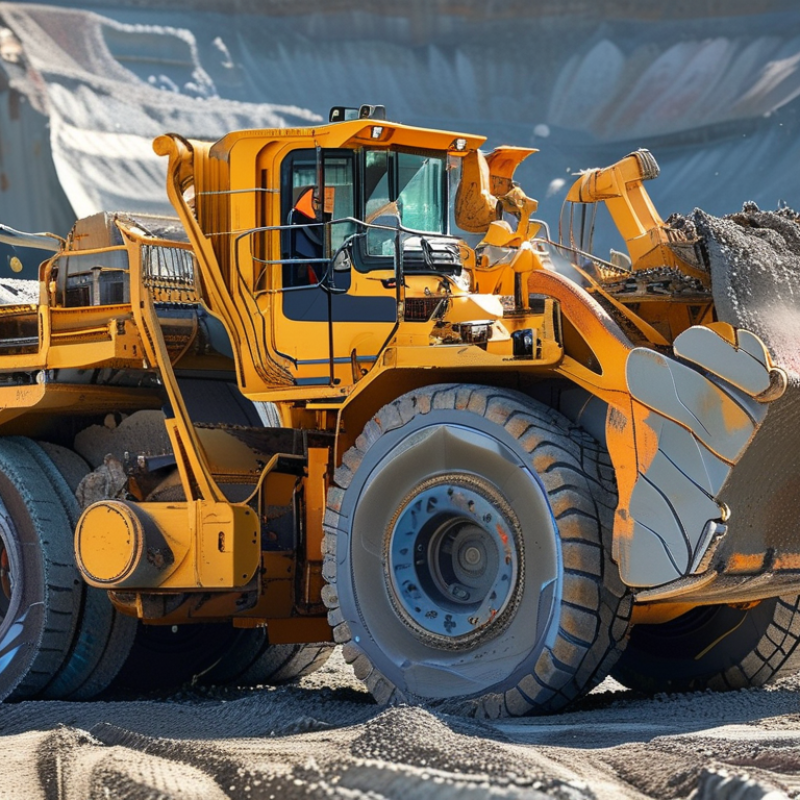
| 6 | Surface Articulated Wheel Loader | Open-pit mines, quarry stockpiles, aggregate yards and mine-site material handling areas | 2–20 m³ | 3–35 tonnes | Diesel, with some electric or hybrid configurations | High travel speed, excellent maneuverability and efficient truck loading on prepared surfaces | Open areas with short-to-medium loading distances and relatively stable haul-road conditions | Select bucket type, tire specification, breakout force and hydraulic cycle speed for the material |
| 7 | Track Loader | Soft ground, overburden removal, mine construction, reclamation and difficult terrain | 0.8–4.5 m³ | 1.5–8 tonnes | Diesel-hydraulic | Low ground pressure, strong traction and the ability to work on uneven or weak surfaces | Wet, muddy, unstable or sloped ground where wheeled loaders may lose traction | Consider undercarriage wear, travel speed, ground pressure and site transport requirements |
| 8 | Compact Multi-Purpose Mining Loader | Small quarries, underground service work, mine maintenance and material handling support | 0.2–1.5 m³ | 0.4–2.5 tonnes | Diesel, electric or battery-electric | Small footprint, attachment versatility and suitability for cleaning, loading and utility tasks | Small operations, confined sites and projects requiring one machine for several low-volume duties | Review attachment compatibility, hydraulic flow, parts availability and operator protection |
| 9 | Remote-Controlled Mining Loader | Rockburst zones, unstable stopes, drawpoints and areas exposed to falling ground | 1–14 m³ | 2–21 tonnes | Diesel or battery-electric with remote-control systems | Allows loading and mucking from a safer distance while reducing operator exposure to hazards | Seismic mines, unsupported openings and operations with strict personnel-exclusion zones | Assess control range, camera visibility, wireless reliability and remote-operation training |
| 10 | Telematics-Enabled or Semi-Autonomous Loader | Large underground and surface mines with repetitive loading cycles and digital fleet systems | 2–14 m³ | 4–21 tonnes | Diesel, battery-electric or hybrid drive | Improved cycle monitoring, production tracking, operator assistance and potential reduction in idle time | Large mines with reliable communications, standardized work areas and mature maintenance systems | Verify network coverage, software integration, cybersecurity and local technical expertise |



 08045479132
 Send Inquiry

 Send Inquiry
 Send SMS