| Flexible-film bagging specialists | Vertical form-fill-seal (VFFS) systems that form bags from a roll of packaging film, fill them, and seal them. | Pillow bags, gusseted bags, and some block-bottom formats, depending on machine configuration. | Snack foods, grains, powders, frozen foods, and other products suited to bag packaging. | Product handling method, bag style, film compatibility, target output, and changeover requirements. |
| Flow-wrapping specialists | Horizontal form-fill-seal (HFFS) flow wrappers that wrap individual products in film and create sealed packages. | Fin-sealed or lap-sealed pillow packs. | Bakery products, confectionery, snack bars, and regularly shaped individual foods. | Product dimensions, feeding and spacing method, seal requirements, and integration with upstream conveyors. |
| Thermoforming specialists | Thermoform-fill-seal systems that heat and form packaging film into cavities, fill them, and seal them with lidding material. | Formed trays, cups, or other cavity-style packs with a sealed top web. | Fresh meat, cheese, prepared foods, and other products requiring a formed package. | Forming depth, package layout, film and lidding compatibility, and whether vacuum or gas flushing is required. |
| Tray-sealing specialists | Tray sealers that apply and seal lidding film to preformed trays; some configurations support vacuum or gas flushing. | Preformed trays with heat-sealed film lids. | Ready meals, fresh produce, meat, seafood, and prepared foods. | Tray material and dimensions, sealing method, line speed, and requirements for modified-atmosphere packaging. |
| Vacuum-pouch packaging specialists | Chamber vacuum machines or automated vacuum pouch lines that remove air from a pouch before sealing. | Vacuum-sealed flexible pouches. | Meat, fish, cheese, and other foods commonly packed in vacuum pouches. | Product size, pouch material, required throughput, sealing-bar configuration, and cleaning needs. |
| Food-filling specialists | Liquid, paste, or particulate filling systems using suitable dosing methods such as volumetric, gravimetric, or flow-based filling. | Bottles, jars, tubs, cups, and other containers, depending on the line design. | Sauces, beverages, dairy products, oils, spreads, and portioned foods. | Product viscosity and particulates, fill accuracy, container range, hygienic design, and cleaning method. |
| Cartoning and end-of-line specialists | Cartoners, case packers, and related systems that group primary packages into cartons or shipping cases. | Retail cartons, multipacks, and corrugated shipping cases. | Packaged snacks, frozen foods, beverage containers, and shelf-ready food products. | Pack pattern, case dimensions, product orientation, rate matching, and coordination with upstream equipment. |
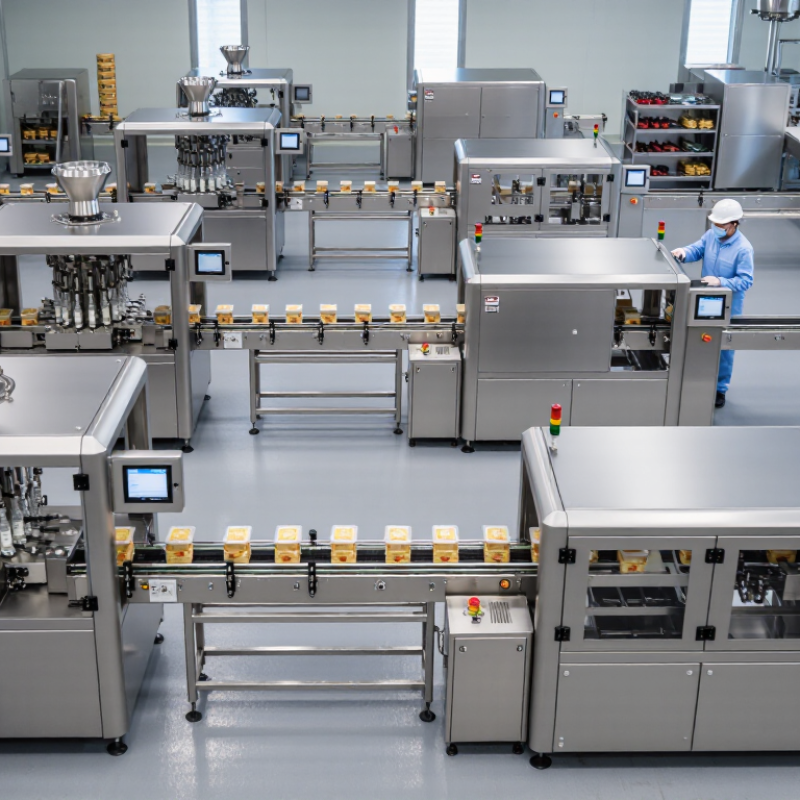
| Integrated packaging-line specialists | Configured lines combining functions such as feeding, filling, sealing, labeling, inspection, and case packing. | Formats vary according to the primary packaging machine and the complete line layout. | Food producers seeking coordinated packaging operations from product infeed through secondary packing. | Line layout, controls integration, sanitation access, product changeovers, and support for the full system. |
| Note: This comparison describes common manufacturer specialization categories and established packaging-machine functions. Machine capabilities vary by configuration; confirm product compatibility, applicable food-safety requirements, performance specifications, and service support directly with suppliers. |



 08045479132

 Send Inquiry


 Send Inquiry
 Send SMS

