| Basic low-power mono kit | Simple voice announcements, demonstrations, or a small personal audio project. | Confirm the tuning range matches the regulations and radio band in your country. FM broadcast allocations are not identical worldwide. | Check whether the kit accepts the source you plan to use, such as line-level audio or a microphone input. | Confirm the specified antenna connection and impedance, if provided. Do not assume every kit uses the same antenna connector. | Coverage depends on the transmitter, antenna, installation, receiver, and local radio conditions; a stated distance is not guaranteed. | Look for clear frequency-tuning instructions, power details, and compliance information for your jurisdiction. |
| Stereo audio kit | Music or other audio where left-right stereo separation is useful. | Verify that the kit operates within a locally permitted FM broadcast frequency range. | Check for left and right audio inputs and confirm the supported input level and connector type. | Review antenna requirements and whether the design supports the intended installation. | Stereo reception can be more sensitive to weak or noisy signals than mono reception. | Confirm stereo encoding is supported end-to-end; a stereo source alone does not make a transmitter stereo-capable. |
| Frequency-adjustable kit | Users who need to select a clear channel within an allowed band. | Check the tuning range, tuning increments, and whether the selectable frequencies are lawful where the kit will be used. | Compare the available audio inputs with the intended source and any required adapters. | Check the documented output, antenna interface, and setup instructions rather than relying on advertised range alone. | Changing frequency can help avoid interference, but it does not increase the transmitter’s lawful power or guarantee coverage. | Prefer a kit with clear tuning controls and documentation explaining how to avoid interference with existing stations. |
| Assembly or educational kit | Learning about radio-frequency circuits, soldering, and basic transmitter operation. | Check the operating frequency and whether adjustment requires component changes or test equipment. | Review the supported input circuit and whether a separate audio source or preamplifier is required. | Look for a circuit diagram, parts list, assembly instructions, and antenna guidance. | Expect performance to depend on assembly quality, component tolerances, antenna setup, and the test environment. | Check whether tools, enclosure, power supply, and test equipment are included or must be purchased separately. |
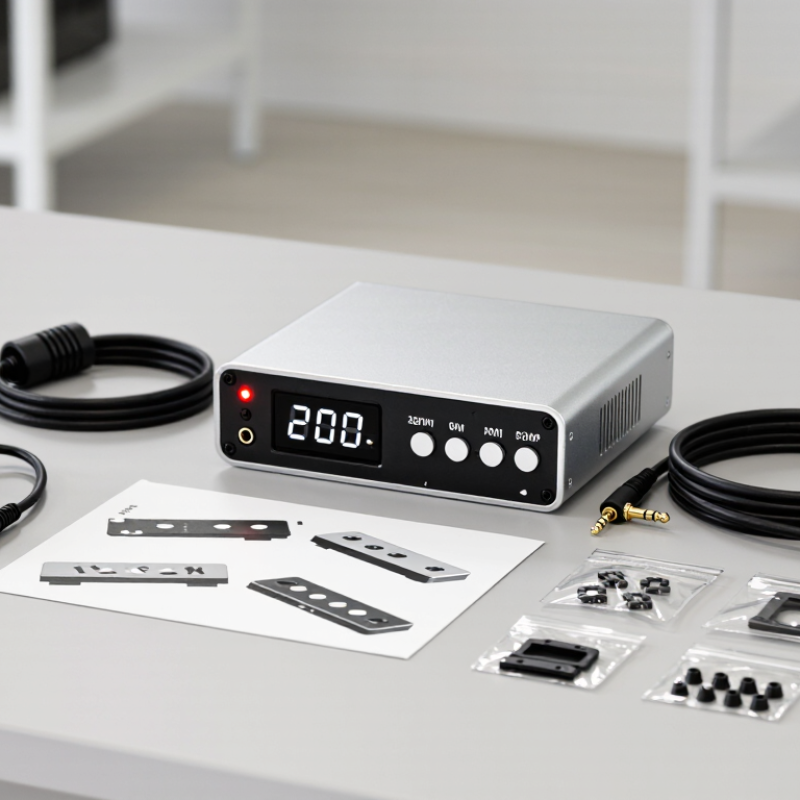
| Enclosed plug-and-play kit | Buyers who prefer a completed unit with fewer assembly steps. | Confirm the supported band and whether the unit can be tuned to a suitable local frequency. | Check the listed audio connectors, supported source devices, and any included cables. | Confirm whether an antenna is built in, supplied, or required separately, and follow the unit’s installation guidance. | Actual usable coverage varies with the legal operating conditions, building materials, antenna placement, and receiver sensitivity. | Review the manual, power-supply requirements, safety information, and applicable regulatory statements. |



 08045479132

 Send Inquiry


 Send Inquiry
 Send SMS

