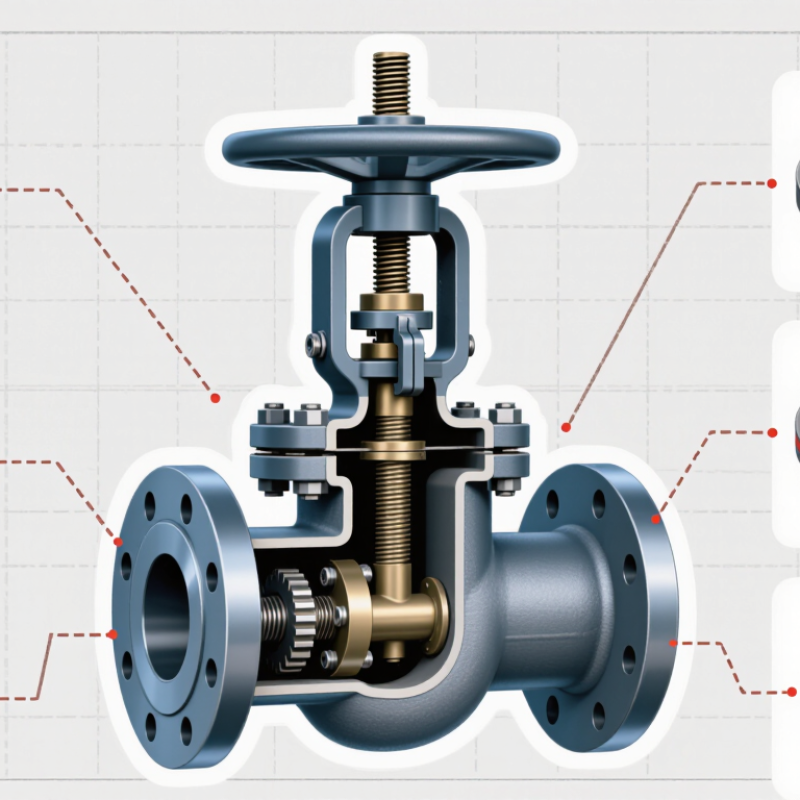
| Valve body | Forms the main pressure-containing enclosure around the gate, seats, and flow passage. | Commonly produced as a forged or cast pressure-containing part. Material selection may include carbon or alloy steel, subject to the applicable specification and service requirements. | Pressure rating depends on the valve design, size, material, and applicable product specification. The body bore and internal geometry must suit the intended flow path and operating conditions. | Check material identification and traceability, pressure-boundary surfaces, visible damage, and required pressure-test documentation. |
| Bonnet | Closes the body opening and contains pressure around the stem and upper valve cavity. | May use a bolted or pressure-assisted connection, depending on the valve design. Materials are selected to be compatible with the body and specified service conditions. | The body-to-bonnet joint must maintain sealing under the specified pressure and temperature conditions. Bonnet design also affects access for assembly and maintenance. | Inspect the joint faces, fasteners where applicable, sealing elements, and evidence that assembly and pressure testing meet the specified requirements. |
| Body-to-bonnet joint | Seals the interface between two principal pressure-containing parts. | Depending on design, the joint may use a gasket or a metal-to-metal sealing arrangement. | Sealing surfaces, joint dimensions, materials, and assembly procedures must match the valve design. Replacement sealing parts should meet the specified material and dimensional requirements. | Verify sealing-surface condition, correct sealing-part identification, and suitable assembly records; check for leakage during the specified pressure test. |
| End connections | Connect the valve pressure boundary to the adjoining piping or equipment. | Common oilfield valve connection types include flanged, threaded, and clamp-hub ends. The chosen type and dimensions must match the connected equipment. | Confirm connection type, nominal size, pressure rating, facing or hub profile, and compatibility with the mating component. Connection ratings should not be inferred from appearance alone. | Check dimensions, facing or hub condition, thread condition where applicable, marking, and compatibility with the mating connection. |
| Pressure-containing materials | Provide the strength and service compatibility required across the body, bonnet, and other pressure-boundary parts. | Materials vary with pressure class, temperature, corrosion exposure, and sour-service requirements. Applicable specifications may define material grades, testing, and traceability. | Material selection should follow the valve purchase specification and relevant standards. Sour-service suitability requires attention to the specified material and qualification requirements. | Review material certificates, heat or lot traceability, required mechanical or chemical test results, and any specified nondestructive examination records. |



 08045479132

 Send Inquiry


 Send Inquiry
 Send SMS

