Top China Hydraulic Cylinder Suppliers for Global Purchasers?
The hydraulic cylinder is a crucial component in various industries, including manufacturing and construction. In recent years, China's hydraulic cylinder suppliers have gained significant attention globally. Their competitive pricing and robust manufacturing capabilities offer valuable options for international purchasers. The demand for high-quality hydraulic cylinders continues to rise, emphasizing the need for reliable suppliers.
Selecting the right supplier is not always straightforward. Variability in quality, delivery times, and customer service can impact business operations. Buyers are encouraged to conduct thorough research before making decisions. Poor supplier choices can lead to costly delays or equipment failures. The complexity of the market adds to these challenges, making it vital to understand supplier reputations.
With numerous suppliers available, it is essential to identify the top players. This outline explores the leading Chinese suppliers known for hydraulic cylinders. By focusing on qualified companies, purchasers can more easily navigate this competitive landscape. Reliable suppliers contribute significantly to operational success in various applications, bringing both innovation and efficiency.
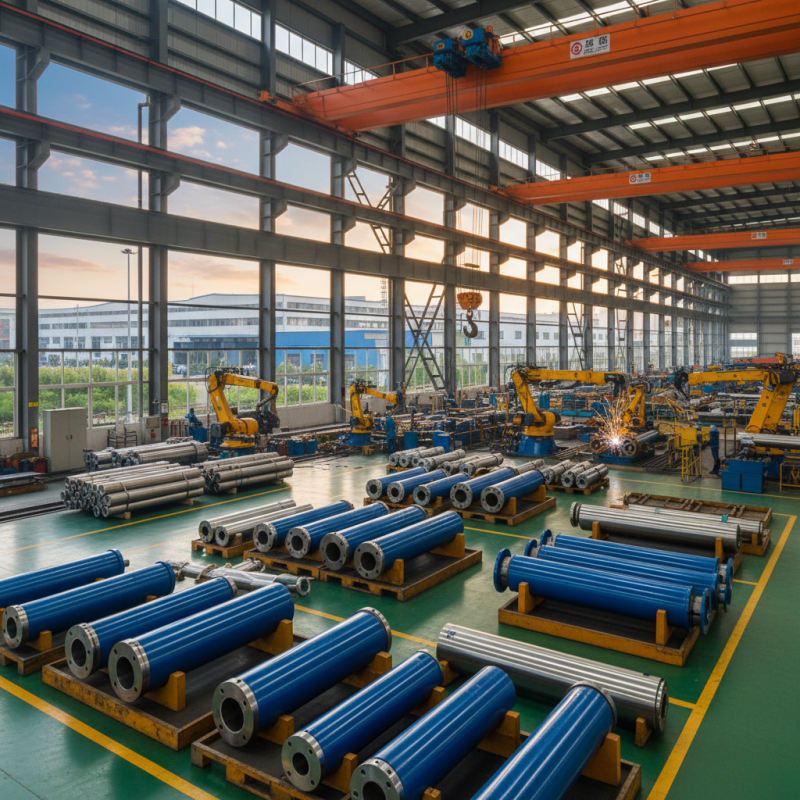
Overview of Hydraulic Cylinders and Their Applications
Hydraulic cylinders are essential in various industries, providing the power for lifting, pushing, and pulling tasks. According to a recent report by MarketsandMarkets, the global hydraulic cylinder market is projected to reach USD 23.1 billion by 2026, growing at a CAGR of 5.8%. This growth reflects the increasing demand in sectors like construction, manufacturing, and agriculture.
These cylinders convert hydraulic energy into mechanical work. They are commonly used in heavy machinery, such as excavators and forklifts. In fact, over 70% of hydraulic systems leverage cylinder technology for efficiency. The adaptability of hydraulic cylinders makes them vital for operations requiring precise movement and control. Options include single-acting and double-acting cylinders, each serving different operational needs.
However, challenges exist within the industry. Quality control remains critical. Materials may not always withstand harsh environments. System failures can lead to safety hazards and costly downtime. Furthermore, the transition to more eco-friendly hydraulics is ongoing, but not without complications. Striking a balance between performance and environmental responsibility is essential for future advancements in hydraulic technology.
Key Features and Specifications of High-Quality Hydraulic Cylinders
High-quality hydraulic cylinders play a critical role in various industries. They are essential in equipment that requires linear motion and heavy lifting. When selecting a hydraulic cylinder, key features such as material quality, piston design, and sealing mechanisms are vital. High-strength steel or aluminum alloys are commonly used for durability. The material choice impacts pressure resistance and lifetime. Innovative piston designs reduce internal friction, enhancing overall efficiency.
Specifications also matter significantly. Consider factors like stroke length, bore size, and pressure rating. These aspects determine the cylinder's performance in specific applications. A well-defined stroke length allows precise control in machinery operations. The bore size affects the force output and can influence energy consumption. Additionally, sealing quality prevents hydraulic fluid leakage, which is crucial for maintaining system efficiency.
In real-world applications, cylinders face various challenges. Improper installation can lead to premature failure. Regular maintenance is necessary to ensure long-term reliability. Users must reflect on their choices and consider each specification's relevance to their specific needs. This thoughtful approach can lead to more effective operations and lower overall costs, contributing to a stronger, more efficient industry.
Top China Hydraulic Cylinder Suppliers for Global Purchasers
| Supplier Location | Type of Hydraulic Cylinder | Maximum Bore Size (mm) | Stroke Length Range (mm) | Operating Pressure (MPa) | Material Used | Certification Standards |
| Shanghai | Double Acting Cylinder | 200 | 100 - 1500 | 25 | High-Strength Steel | ISO 9001, CE |
| Beijing | Single Acting Cylinder | 150 | 50 - 1000 | 20 | Aluminum Alloy | ISO 9001 |
| Guangzhou | Telescopic Cylinder | 300 | 200 - 3000 | 30 | Carbon Steel | TS16949 |
| Shenzhen | Multi-stage Cylinder | 250 | 150 - 2000 | 24 | Stainless Steel | ASME, ISO 9001 |
Criteria for Selecting Reliable Hydraulic Cylinder Suppliers in China
When selecting reliable hydraulic cylinder suppliers in China, quality stands out as a key criterion. A supplier’s commitment to high standards can significantly impact performance. Examine the certifications they hold. Check if they follow industry regulations. A lack of these credentials can be a red flag.
Experience matters, too. Suppliers with a strong track record often possess valuable insights into market demands. They can offer more tailored solutions. Engage in discussions. Ask about their past projects. Questions may reveal gaps in expertise you hadn’t considered.
Lastly, consider their customer service. Communication can indicate how a partnership might unfold. Timely responses show commitment. On the other hand, slow replies could affect future projects. Establishing trust is vital. It’s important to gauge whether their approach aligns with your needs.
Top Chinese Hydraulic Cylinder Manufacturers and Their Global Reach
China has emerged as a leader in hydraulic cylinder manufacturing, servicing various industries globally. The sector has seen rapid growth, with market reports indicating a CAGR of approximately 5% from 2020 to 2025. This growth reflects the increasing demand for machinery, automotive, and construction sectors, which rely heavily on hydraulic systems.
Notably, China's hydraulic cylinder manufacturers are expanding their market reach. Reports highlight that over 30% of their production is exported, primarily to North America and Europe. Some suppliers have developed advanced technologies to enhance efficiency. However, quality control remains a challenge. Many customers report inconsistencies in product performance and durability.
Furthermore, industry analysis indicates that while manufacturers invest in R&D, a significant gap exists between innovation and practical application. Concerns over supply chain management have also been raised. As manufacturers strive to meet global demand, maintaining reliability becomes key. Buyers must carefully vet suppliers to ensure standards are met. These factors illustrate the dynamic nature of the hydraulic cylinder market in China.
Case Studies: Successful Collaborations Between China Suppliers and Purchasers
Successful collaborations between China hydraulic cylinder suppliers and global purchasers showcase the potential for synergy in the industrial sector. One notable case involved a European machinery manufacturer that sought reliable hydraulic solutions. They faced difficulties with inconsistent quality from previous suppliers. After conducting thorough research, they partnered with a Chinese provider that demonstrated impressive production capabilities and quality control measures.
The initial project faced challenges due to differing standards and operational practices. Continuous communication helped bridge these gaps. The Chinese supplier adjusted their processes to align with international expectations. This flexibility proved essential for success. Over time, the partnership flourished, leading to a 30% increase in productivity for the European manufacturer. Such experiences underline the importance of adaptability in international partnerships.
Another collaboration featured an American construction firm that needed custom hydraulic cylinders. They sought a supplier capable of quick turnarounds. Initial designs did not meet their expectations, leading to frustration on both sides. However, with open feedback and design revisions, the Chinese supplier improved their offerings significantly. The project ultimately succeeded, demonstrating that clear communication and a willingness to refine processes are critical for effective partnerships.



 08045479132
 Send Inquiry

 Send Inquiry
 Send SMS