| Flat Strip or Rectangular Bar | Solid, flat cross-section; supplied in straight lengths or coils depending on dimensions and temper. | Provides broad contact surfaces and is easy to arrange in compact, planar layouts. The steel core adds mechanical strength, while electrical performance depends on the copper cladding and overall dimensions. | Grounding and bonding assemblies, electrical connections, and applications requiring a flat, robust conductor. | Confirm width, thickness, dimensional tolerance, copper-cladding thickness, surface condition, and the supplier’s conductivity data. |
| Round Rod or Bar | Solid circular cross-section, generally supplied as straight lengths. | Can be convenient for rod-style connections and mechanical fastening. Contact quality depends on the end preparation, joining method, and the condition of the copper surface. | Bonding connections, grounding components, and custom electrical assemblies designed around round stock. | Check diameter tolerance, straightness, end finish, cladding continuity, and compatibility with the specified connectors. |
| Hollow or Tubular Bar | Hollow circular or shaped cross-section; available only where the product design and manufacturing process support it. | Uses a hollow geometry to reduce material mass compared with a solid section of similar outside dimensions. Current capacity and mechanical performance must be verified for the specific construction. | Specialized assemblies where a hollow profile suits the mechanical layout or weight requirements. | Verify wall thickness, internal and external cladding coverage, dimensional tolerances, and documented electrical and mechanical ratings. |
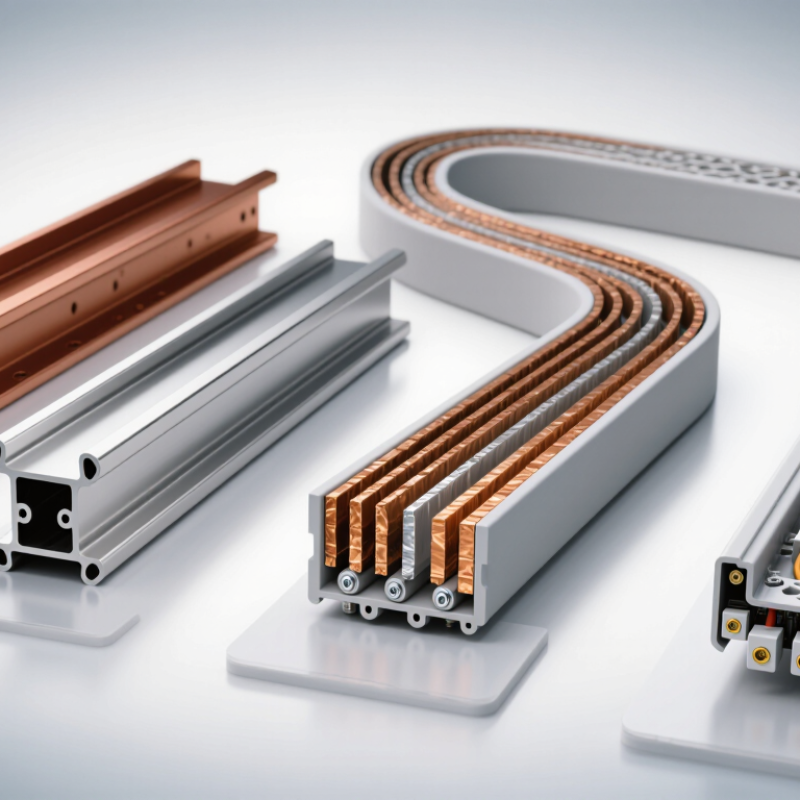
| Bent or Formed Bar | Flat or rectangular stock shaped with bends, offsets, or formed ends. | Can reduce the need for multiple separate pieces and help match a defined installation path. Bending may affect dimensions or coating integrity, so the process and minimum bend radius matter. | Custom grounding paths, equipment connections, and assemblies with restricted installation space. | Specify bend angles, radii, hole locations, finished dimensions, and inspection requirements for cladding damage at bends. |
| Drilled or Machined Bar | Solid flat or rectangular stock with holes, slots, or other machined features. | Supports bolted connections and repeatable mounting. Machining can expose the steel core at cut surfaces, so edge treatment and the intended electrical contact area should be considered. | Bolted grounding links, terminal assemblies, and fabricated connection parts. | Confirm hole pattern, edge finish, contact-surface preparation, corrosion protection, and whether exposed edges require treatment. |
| Laminated or Layered Assembly | Multiple conductive layers arranged together, sometimes with insulating layers between them; not a default construction for CCS bar. | Can be engineered for a particular flexibility or insulation layout, but CCS suitability and performance depend on the complete assembly design. Do not assume it has the same ratings as a copper laminated busbar. | Special engineered applications where a layered construction is specifically required and validated. | Request the layer materials, insulation details, joining method, current rating, temperature limits, and test documentation for the finished assembly. |
| Selection note: CCS commonly means copper-clad steel: a steel core with a copper layer. It is not electrically equivalent to solid copper busbar. Compare the specified conductivity, cladding thickness, cross-section, operating conditions, joining method, and applicable project standards before selecting a configuration. Product availability and ratings vary by manufacturer and market. |



 08045479132

 Send Inquiry


 Send Inquiry
 Send SMS

