Top 10 Alternatives for Replacing Galvanized Pipes Today?
Replacing Galvanized Pipes has become a pressing concern for homeowners and contractors alike. According to a report from the Environmental Protection Agency, older galvanized pipes can lead to health risks due to corrosion and possible lead exposure. Expert plumber John Smith has noted, “Outdated piping systems can compromise water quality and safety.”
Many homeowners are unaware that galvanized pipes can significantly impact water pressure and taste. Current trends show that nearly 50% of homes in the U.S. with pre-1980 plumbing still use these pipes. This statistic highlights the urgency of addressing pipe replacements.
Replacing galvanized pipes is not just a necessity but an opportunity to enhance home safety. With several alternatives available today, including PEX, copper, and CPVC, each option presents its unique advantages and considerations. Homeowners must weigh these choices carefully to ensure they meet both safety standards and personal preferences. The market continues to evolve, making informed decisions crucial.
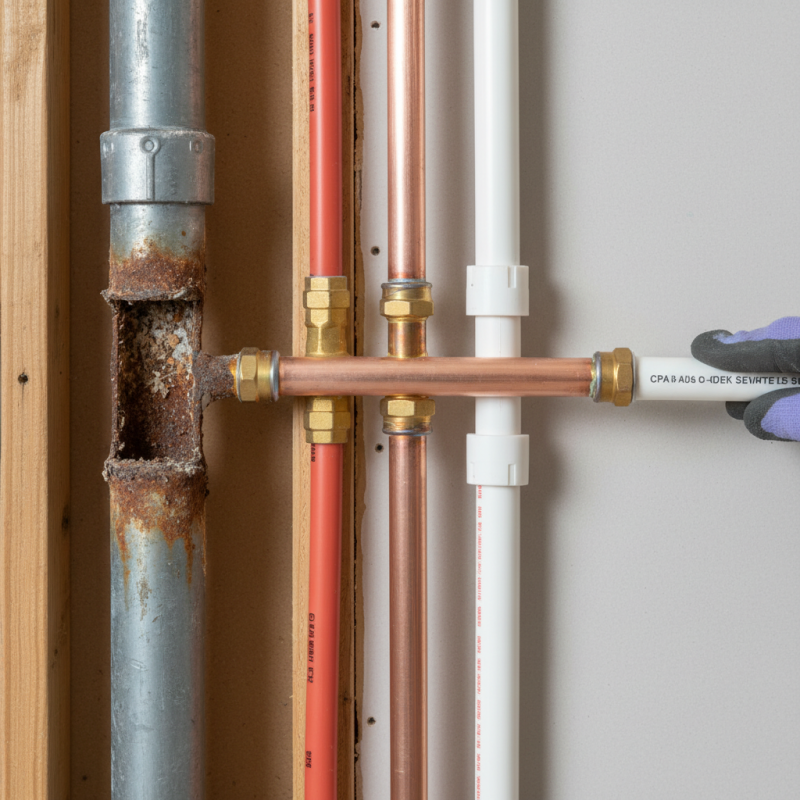
Understanding the Limitations of Galvanized Pipes
Galvanized pipes were once a popular choice for plumbing. However, they come with significant limitations. Over time, these pipes corrode and accumulate rust. This rust can lead to severe water quality issues. Homeowners may notice decreased water pressure or discolored water. These problems are commonly linked to aging galvanized pipes.
The lifespan of galvanized pipes is often shorter than expected. They may last around 20 to 50 years, depending on water quality. Many homeowners face constant repairs and replacements. These ongoing issues can be frustrating. Moreover, galvanized pipes can also contribute to lead exposure if they are connected to lead components. This is a serious health concern that should not be overlooked.
Replacing galvanized pipes is essential for ensuring safe and clean water. Many alternatives, such as PEX, CPVC, and copper, offer better longevity and quality. Each option comes with its own set of advantages and disadvantages. Evaluating these alternatives based on your specific needs is crucial. Understanding the limitations of galvanized pipes can guide homeowners in making better choices for plumbing systems.
Top 10 Alternatives to Galvanized Pipes for Modern Plumbing
When considering alternatives to galvanized pipes, various modern options stand out. Copper pipes are a traditional choice known for durability and resistance to corrosion. They are ideal for both hot and cold water systems. However, they can be more expensive and may require professional installation.
Another popular alternative is PEX (cross-linked polyethylene) piping. PEX is flexible, lightweight, and resistant to scale and chlorine. Installation is often easier, with fewer fittings needed. Yet, some potential downsides include susceptibility to UV damage when exposed to sunlight.
Lastly, PVC pipes are lightweight and cost-effective. They are commonly used for drainage and venting but are not suited for hot water applications. While they are easy to work with, users must consider their lifespan in comparison to other materials. Each of these alternatives offers unique advantages and drawbacks, making it crucial to weigh your options carefully.
Comparative Analysis of Material Options: Pros and Cons
When considering alternatives to galvanized pipes, several materials come into play. Copper is a popular choice due to its durability and resistance to corrosion. It has a long lifespan, often exceeding 50 years. However, it can be expensive, and installation requires skilled labor. The weight of copper can also pose challenges during installation.
PVC is a lightweight option that's easy to handle. It resists corrosion and is also cost-effective. However, PVC can be less durable in high-temperature situations. There's a risk of warping in extreme conditions.
Cross-linked polyethylene (PEX) is another viable alternative. It is flexible and allows for easier installation in tight spaces. PEX is resistant to scale and chlorine, improving the quality of water. Yet, its susceptibility to UV light means it cannot be exposed to sunlight. Each option has distinct pros and cons, making careful consideration essential.
Installation Considerations for Each Alternative Pipe Material
When considering alternatives to galvanized pipes, various materials can be evaluated for their installation feasibility. Copper pipes are a popular choice, known for their durability and resistance to corrosion. However, they require careful soldering skills, which can increase installation time. According to a report from the Plumbing Technology Research Composite, skilled labor shortages can complicate this process.
PVC pipes offer a lightweight and cost-effective alternative. They are easy to install, often requiring just simple cutting and gluing. Yet, they may not withstand high temperatures as effectively as metal options. A study from the American Society of Plumbing Engineers highlights that improper installation can lead to significant long-term issues, such as leaks or low water pressure.
Cross-linked polyethene (PEX) is gaining traction due to its flexibility and ease of installation. It can be snaked into walls with minimal labor. However, its longevity compared to metal options is still under scrutiny. Some professionals express concerns about its susceptibility to UV damage, which may alter performance over time. An evaluation from the National Plumbing Foundation suggests that while PEX is user-friendly, it is essential to recognize its limitations during installation.
Cost-Benefit Analysis: Long-Term Savings with Alternative Pipes
When considering alternatives to galvanized pipes, understanding the cost-benefit is crucial. Alternatives like PEX, CPVC, and copper can provide long-term savings. Initial costs may vary, but these materials often outlast galvanized pipes. They resist corrosion and require fewer repairs over time, reducing maintenance costs. This reliability can lead to a significant reduction in household expenses.
Tips: Focus on the installation process. Some alternatives, like PEX, are easier to install, which can save money on labor costs. Also, consider energy efficiency. Insulated pipes reduce heat loss and improve overall system performance.
Reflect on your needs. While alternatives may seem expensive upfront, their durability and efficiency can yield savings in the long run. Weigh factors like water quality and local climate when making a choice. Make informed decisions by consulting with professionals who can assess your specific situation.



 08045479132
 Send Inquiry

 Send Inquiry
 Send SMS
