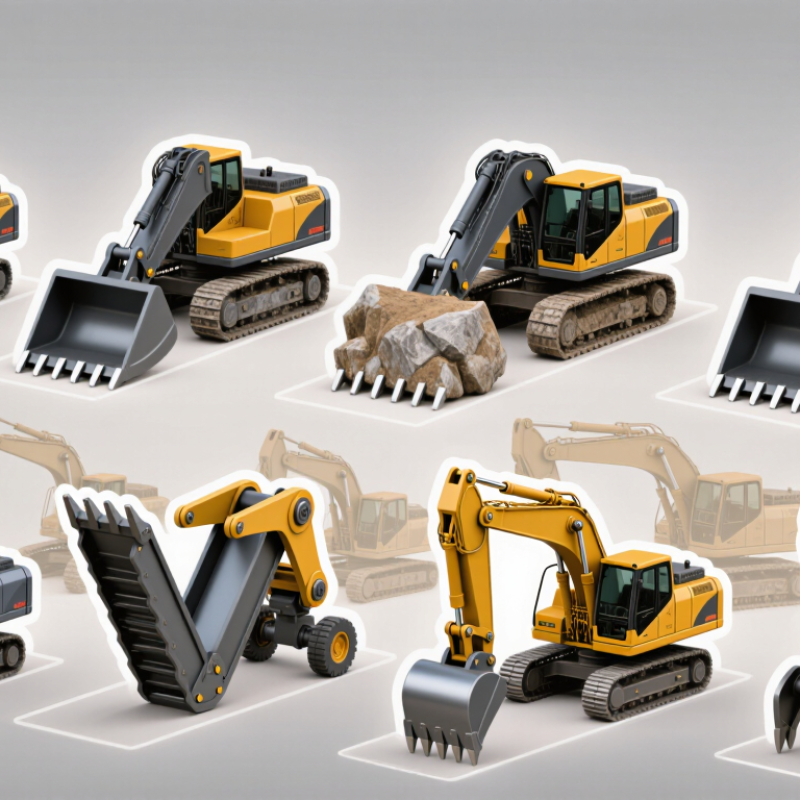
| 1. General-Purpose Digging Bucket | Moderate width and capacity, with a curved profile and replaceable cutting edges or teeth. | Everyday excavation, loading, site preparation, and utility work. | Soil, clay, gravel, and other materials within the bucket’s rated application. | A practical all-round option; match bucket width and capacity to the excavator and material density. |
| 2. Trenching Bucket | Narrow bucket designed to produce a relatively straight-sided trench; widths vary by application. | Digging trenches for pipes, cables, drains, and other utilities. | Soil and compacted ground that the machine can safely excavate. | Choose a width suited to the trench plan and required clearance around the installed service. |
| 3. Heavy-Duty Bucket | Reinforced construction and wear protection for more demanding digging than a general-purpose bucket. | Frequent excavation, loading, and earthmoving on tougher sites. | Compacted soil, abrasive gravel, and mixed ground, depending on the bucket’s configuration. | Check wear protection, tooth arrangement, and compatibility with the excavator’s attachment system. |
| 4. Rock Bucket | Reinforced shell and cutting edges, commonly fitted with robust teeth for penetrating hard or rocky ground. | Excavating and handling broken rock, blasted material, and rocky soil. | Rock and abrasive material within the bucket’s design limits. | Consider rock size, abrasion, tooth selection, and the added stresses placed on the attachment and machine. |
| 5. Severe-Duty Bucket | Extra reinforcement and wear components in high-wear areas; typically intended for severe applications. | Repeated excavation in highly abrasive or impact-heavy conditions. | Very abrasive ground and difficult digging conditions, subject to manufacturer specifications. | It is generally heavier than lighter-duty options, so verify machine capacity and application suitability. |
| 6. Ditch-Cleaning Bucket | Wide, relatively shallow bucket, often with a smooth edge and drainage openings. | Cleaning ditches, shaping slopes, spreading material, and handling loose spoil. | Loose soil, silt, sand, and other lighter materials. | Its wide profile is suited to finishing and cleanup rather than high-force digging in hard ground. |
| 7. Grading Bucket | Wide bucket with a smooth cutting edge for producing an even surface. | Final grading, trimming, backfilling, and landscaping. | Loose or previously worked soil and other finishing materials. | Bucket width and machine control affect finish quality; it is not intended as a substitute for a narrow trench bucket. |
| 8. V-Shaped Ditching Bucket | Angled cutting profile that forms a V-shaped channel as material is removed. | Cutting drainage channels and shaping narrow ditches. | Soil and other materials that can be excavated safely with the selected machine. | Confirm the required channel profile and depth; ground conditions may affect the achievable shape. |
| 9. Skeleton or Screening Bucket | Spaced bars or openings allow smaller material to pass through while retaining larger pieces. | Sorting excavated material, separating rocks from soil, and screening debris on site. | Mixed material with pieces large enough to be retained by the openings. | Opening size determines separation; this bucket is for sorting rather than handling fine, contained loads. |
| 10. Clamshell Bucket | Two opposing shells close around material; the attachment may be operated hydraulically or by a suitable lifting system. | Vertical excavation, dredging, bulk handling, and loading loose material in confined areas. | Loose soil, sand, gravel, and similar material that the shells can capture. | Check excavator compatibility, operating method, reach, and rated lifting capacity for the complete attachment setup. |



 08045479132

 Send Inquiry


 Send Inquiry
 Send SMS

