| Cutting line and trimmer head | Cuts grass and light vegetation; the head holds and feeds the cutting line. | Line breaks or feeds unevenly; the head is cracked, worn, or difficult to load. | Confirm the head mounting type and the line diameter and profile allowed by the machine manual. | Suitable line and a sound head help maintain consistent cutting and reduce interruptions. |
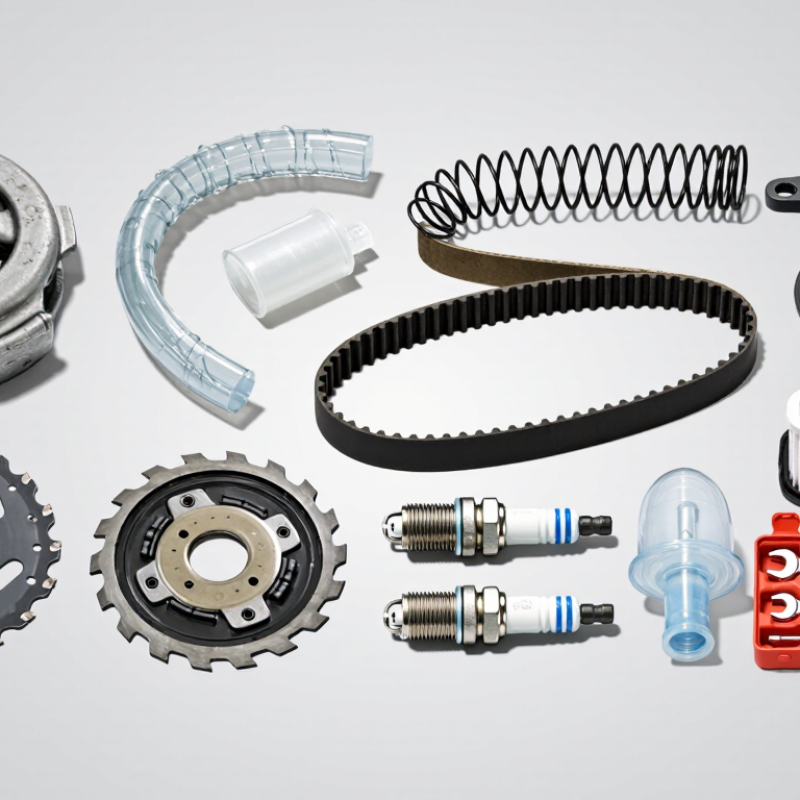
| Cutting blade | Cuts heavier weeds and brush when the machine is designed for blade use. | Visible cracks, bent sections, damaged teeth, or excessive vibration. | Match the blade type, diameter, bore, and permitted use to the brushcutter specifications; replace damaged blades. | A compatible, undamaged blade supports controlled cutting and safer operation. |
| Air filter | Stops dust and debris from entering the engine’s intake. | Heavy dirt buildup, damage, poor engine response, or difficulty starting. | Check the filter material, shape, and fit; clean or replace it according to the manual and working conditions. | A clean, correctly fitted filter helps protect the engine and maintain airflow. |
| Spark plug | Ignites the air-fuel mixture in the engine cylinder. | Fouling, a damaged electrode, difficult starting, or irregular running. | Use the specified plug type and gap listed in the machine manual; inspect the plug condition. | A suitable, serviceable plug supports dependable starting and steady engine operation. |
| Fuel filter | Filters particles from fuel before it reaches the carburetor. | Restricted fuel flow, stalling, or poor running that may be related to fuel delivery. | Check the filter’s size, connection, and compatibility with the fuel system. | A clean filter helps reduce the risk of debris reaching fuel-system components. |
| Fuel lines | Carry fuel between the tank, filter, primer system, and carburetor. | Cracks, hardening, loose connections, fuel seepage, or visible deterioration. | Match the required hose dimensions and routing; use fuel-compatible material specified for the machine. | Sound, correctly routed lines help maintain fuel delivery and reduce leak risks. |
| Primer bulb | Moves fuel through the fuel system to assist starting on models fitted with a primer. | Cracks, fuel leakage, failure to fill, or a bulb that does not return to shape. | Check the bulb’s dimensions, connections, and fit for the specific fuel system. | A functioning primer can make the starting procedure more dependable when used as instructed. |
| Starter rope and recoil starter parts | Turn the engine during manual starting; the recoil assembly retracts the rope. | Frayed or broken rope, poor retraction, a slipping grip, or a starter that fails to engage. | Confirm rope size and compatible recoil components; inspect the assembly for damage before replacement. | Serviceable starting components help the operator start the machine consistently. |
| Clutch assembly | Transfers engine power to the cutting attachment as engine speed rises. | Slipping, unusual noise, overheating, or a cutting attachment that engages abnormally. | Match the clutch to the engine and drive-system specifications; have installation checked if needed. | A properly functioning clutch supports controlled power transfer to the attachment. |
| Gear head and drive-shaft components | Transmit rotation from the engine to the cutting attachment; the gear head changes the direction of drive. | Excessive play, unusual grinding noise, overheating, or damaged shaft connections. | Verify shaft and gear-head compatibility, connection dimensions, and lubrication requirements in the manual. | Compatible, properly maintained drive components help deliver power smoothly to the cutting head. |



 08045479132

 Send Inquiry


 Send Inquiry
 Send SMS

