Top Tips for Buying Electric Two Wheelers for Global Buyers
The electric two-wheeler market is expanding rapidly, driven by the demand for sustainable transportation. According to a report by the International Energy Agency, the global sales of electric two-wheelers reached 35 million units in 2021 alone. This growth reflects increased awareness of environmental issues and rising costs of fossil fuels.
However, purchasing an electric two-wheeler involves careful considerations. Buyers must assess not only the vehicle's range and charging time but also its battery lifespan and maintenance needs. The battery is a critical component; a high-quality battery can determine the longevity and reliability of the electric two-wheeler. In some cases, buyers overlook battery specifications, only to face disappointing performance later.
Market trends show that electric bikes and scooters are becoming more affordable. Yet, variations in quality pose a challenge for consumers. It's easy to fall for appealing marketing, but it’s essential to conduct thorough research. Understanding real user reviews and expert opinions can provide valuable insights. Ultimately, making an informed choice will lead to a more satisfying ownership experience in the long run.
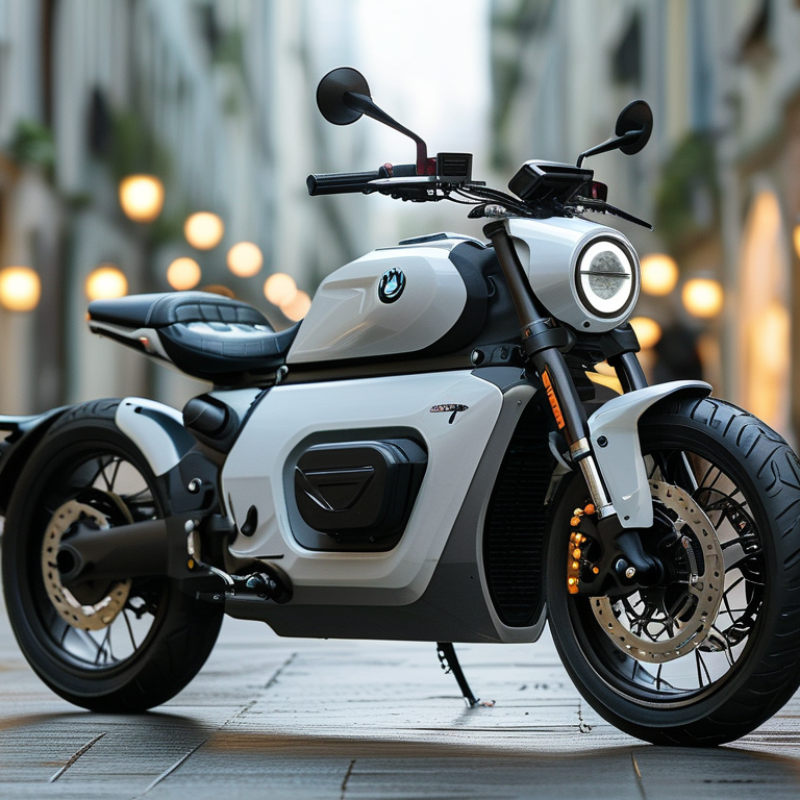
Top Considerations for Global Buyers of Electric Two Wheelers
When purchasing electric two-wheelers, global buyers must assess key factors carefully. Range is critical. The average electric bike offers about 30 to 50 miles on a single charge, according to industry data. However, some models exceed 100 miles. Understanding your daily commuting distance can help you choose the right option.
Battery quality and charging time also play a crucial role. High-quality lithium-ion batteries typically last for 3 to 5 years. Fast charging options are becoming standard, with some models charging to 80% in under an hour. This can significantly impact daily usability. Research indicates that about 20% of buyers prioritize charging convenience over other features.
Finally, consider the weight and comfort of the vehicle. Many electric two-wheelers weigh between 50 to 100 pounds. Heavier models may feel stable, but they can be challenging to maneuver. Test rides often reveal essential insights. Ensure the vehicle meets your comfort levels for longer rides. Balancing power, ergonomics, and weight can be difficult but is essential for a satisfying purchase.
Top Tips for Buying Electric Two Wheelers
Understanding Battery Technology: Types and Performance Metrics
When purchasing electric two-wheelers, understanding battery technology is essential. Batteries play a crucial role in performance, longevity, and user experience. There are various types of batteries, including lithium-ion, lead-acid, and nickel-metal hydride. Lithium-ion batteries stand out for their higher energy density and lower weight, making them the preferred choice for many electric vehicles.
Performance metrics are vital for evaluating battery options. Key factors include charge time, cycle life, and energy capacity. A battery with a shorter charge time can be more convenient for daily use. However, high energy capacity might mean longer rides without recharging. Balance is important; a powerful battery can add weight, affecting speed and maneuverability. Buyers should reflect on their needs to find the right fit.
Safety is another consideration. While many batteries are designed with safety features, incidents can occur. Understanding thermal runaway and its effects can help buyers make informed decisions. Always review safety certifications and user reports to ensure reliability. Buying an electric two-wheeler requires careful consideration of these aspects to achieve a satisfying riding experience.
Regulatory Standards and Safety Certifications for Electric Two Wheelers
When purchasing electric two-wheelers, understanding the regulatory standards and safety certifications is crucial. Various regions have specific regulations to ensure safety and environmental compliance. According to the International Energy Agency (IEA), about 30% of electric vehicle users prioritize certifications when choosing a model. This emphasizes the importance of certified safety features.
Safety certifications, like those from the Underwriters Laboratories (UL) or the European Union's CE mark, help buyers gauge quality. For instance, compliance with UL 2272 ensures that hoverboards and similar vehicles have been tested for electrical safety. Such certified products reduce risks associated with fires or electrical malfunctions. Data from the National Highway Traffic Safety Administration indicates that certified vehicles tend to have lower accident rates.
However, not all electric two-wheelers meet these standards. Some manufacturers might bypass certifications to cut costs, which could compromise user safety. As a buyer, it's essential to verify certification claims and inquire about testing procedures. Choosing a model with robust certifications can make a significant difference in your riding experience and peace of mind.
Evaluating Price Points: Cost Analysis of Electric Two Wheelers Globally
When considering Electric Two Wheelers, cost analysis becomes crucial for global buyers. Prices vary widely across regions due to factors like manufacturing costs, taxes, and import duties. In developed markets, the average price can reach several thousand dollars, while in emerging economies, options may start as low as a few hundred. Conducting thorough research helps identify models that suit both budget and needs.
Furthermore, buyers should consider the total cost of ownership. This includes maintenance, battery replacement, and insurance. While initial prices might be appealing, hidden expenses can add up quickly. Some models offer extended warranty periods, which can enhance reliability and reduce future costs. Examining feedback from existing users can provide additional insights into real-world performance and expenses.
Choosing wisely is essential to avoid regrets. Many buyers overlook charging infrastructure when assessing costs. Limited access to charging stations can lead to inconvenient experiences. Understanding local regulations and incentives can also influence price evaluations. Exploring these nuances will empower buyers to make informed decisions.
Range and Efficiency: Key Performance Indicators for Electric Mobility
When buying electric two-wheelers, understanding range and efficiency is crucial. Range refers to how far the vehicle can go on a single charge. A higher range allows for longer journeys without the anxiety of running out of power. Many buyers underestimate how this affects their daily commutes. It's essential to assess your typical travel distance and choose a model that meets or exceeds it.
Efficiency speaks to how well the electric motor converts energy into distance. Factors like battery size, terrain, and riding style can impact this. While some models boast impressive ranges, their real-world efficiency might fall short. It's advisable to read user reviews that discuss everyday experiences, not just specs. Consider how the weight and design of the scooter influence its efficiency, as heavier models require more energy.
Keep in mind, even the best models have limitations. Battery life can degrade over time, impacting range. Weather conditions can also affect performance. No electric two-wheeler is perfect; they all require careful consideration. Aim for a balance between range and efficiency, and always think about your specific needs and riding habits.
Top Tips for Buying Electric Two Wheelers for Global Buyers - Range and Efficiency: Key Performance Indicators for Electric Mobility
| Parameter | Value |
| Battery Capacity | 48V, 20Ah |
| Range per Charge | 60-90 km |
| Charging Time | 4-6 hours |
| Motor Power | 500W |
| Top Speed | 25-45 km/h |
| Weight | 40-60 kg |
| Braking System | Disc Front, Drum Rear |



 08045479132
 Send Inquiry

 Send Inquiry
 Send SMS