What is the Shelf Life of Chocolate and How to Tell Expiration?
Chocolate is a beloved treat enjoyed by many. However, understanding Chocolate expiration is crucial for both taste and safety. Over time, chocolate can lose its freshness and flavor. It can even develop unsightly textures and colors.
Many factors affect how long chocolate lasts. These include type, storage conditions, and ingredients. For example, dark chocolate often lasts longer than milk or white chocolate. Proper storage is essential to extend shelf life. Keeping chocolate in a cool, dry place is key.
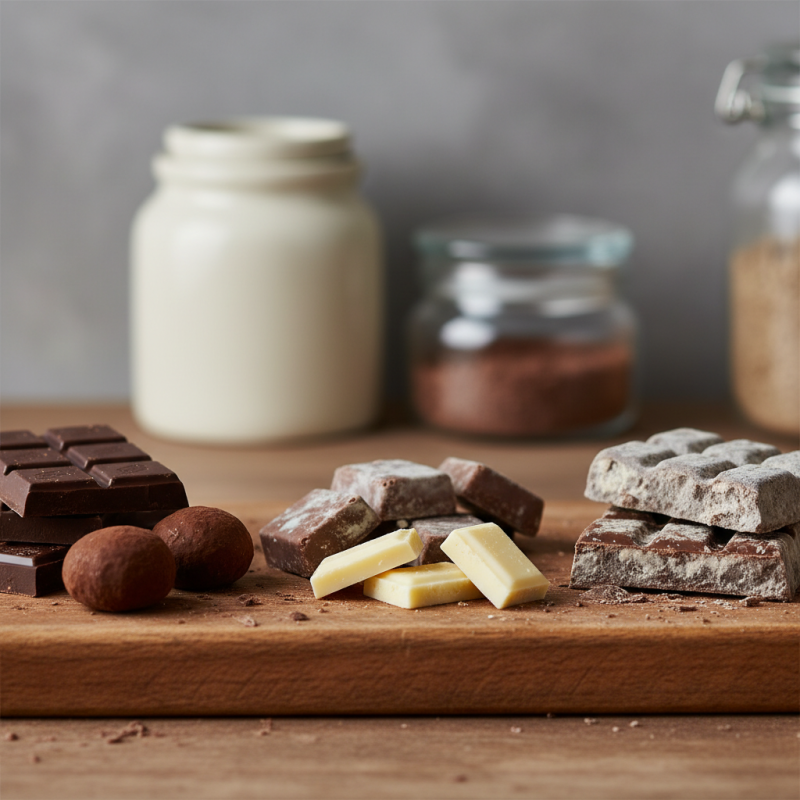
You may notice changes in texture or smell as chocolate approaches its expiration. Blooming, a white powdery layer, can appear. This doesn't mean the chocolate is harmful but indicates aging. Checking the expiration date is important, yet it is only a guideline. Trust your senses to determine if your chocolate is still enjoyable.
Understanding Chocolate Shelf Life: Key Factors to Consider
Understanding the shelf life of chocolate is crucial for any chocolate lover. Various factors affect how long it stays fresh. Chocolate contains fats and sugars, which can degrade over time. Temperature plays a significant role. Storing chocolate in a cool, dry place helps maintain its quality. High humidity can lead to sugar bloom, resulting in an unpleasant texture.
Visual cues are also vital. If you notice white spots or a dull appearance, it may be time to reconsider consuming it. Smell provides additional insight. A rancid odor indicates that the chocolate has gone bad. Taste is another indicator. A change in flavor can signal expiration.
Packaging matters too. Once opened, chocolate can spoil faster. Keeping it in an airtight container can extend its life. However, even well-stored chocolate is not invincible. It might lose its initial charm over time. Chocolate may still be safe to eat, but it might not be as delightful. Always trust your senses when it comes to chocolate freshness.
What is the Shelf Life of Chocolate and How to Tell Expiration?
| Chocolate Type | Shelf Life (Unopened) | Shelf Life (Opened) | Storage Conditions | Signs of Expiration |
| Dark Chocolate | 2 years | 1 year | Cool, dry place | White spots, off smell |
| Milk Chocolate | 1 year | 6 months | Cool, dry place | Fade in color, bloating |
| White Chocolate | 1 year | 6 months | Cool, dry place | Sour smell, discoloration |
| Chocolate Bars with Fillings | 1 year | 3-6 months | Refrigerated for filled bars | Changes in texture, stale taste |
Different Types of Chocolate and Their Shelf Lives
Chocolate comes in various forms, each with its own specific shelf life. Dark chocolate, for instance, can last up to two years if stored correctly. Its high cocoa content helps preserve it longer. Milk chocolate, on the other hand, usually lasts about one year. The added milk and sugar shorten its shelf life. White chocolate, while not technically chocolate, can also last around one year but is more sensitive to heat.
When storing chocolate, keep it in a cool, dry place. Avoid direct sunlight, as it can cause the chocolate to bloom. This is when a white powder appears on the surface. It is safe to eat but may not look appealing. Remember, chocolate stored in the fridge can absorb odors.
Tips for checking chocolate’s freshness: look for changes in color or texture. A strange smell or an unusual crunch might indicate that the chocolate is past its prime. If you're unsure, trust your senses. Chocolate might not go bad like other foods, but quality does matter. Pay attention to these details to enjoy your chocolate fully.
Signs of Expiration: How to Identify Spoiled Chocolate
Chocolate is a beloved treat, but it has a limited shelf life. Understanding when chocolate has expired is essential for safety and enjoyment. One key sign of spoiled chocolate is a dull or white coating. This is often due to fat bloom, which occurs when the chocolate's cocoa butter separates. It’s not harmful, but it affects texture.
Another clear indication of expired chocolate is an off smell. Fresh chocolate has a rich aroma. If it smells rancid or off, it's time to toss it. Additionally, inspect the texture. If the chocolate feels gritty or has changed consistency, it may be time to discard it. Mold is a definite red flag. Even small spots should be taken seriously.
Keep an eye on the expiration dates on the packaging. However, your senses are the best judges. Trust your judgment. Chocolate can last beyond its date if stored well, but don’t take risks. Always prioritize your health. Chocolate is meant to be enjoyed fresh.
The chart above illustrates the average shelf life of various types of chocolate in months. Milk chocolate typically lasts about 12 months, while dark chocolate is known for its longer shelf life of up to 24 months. White chocolate has a shorter shelf life of around 10 months, and baking chocolate can last approximately 18 months. Regular chocolate bars tend to have a shelf life similar to that of white chocolate, around 10 months. Always check for signs of expiration, such as changes in color, texture, or smell.
Storing Chocolate to Maximize Freshness and Longevity
Storing chocolate correctly can significantly impact its shelf life and quality. According to a study from the Chocolate Manufacturers Association, chocolate can last up to two years if stored properly. However, many consumers overlook essential storage tips. Favor a cool, dry place, ideally between 65°F and 70°F. Avoid areas with fluctuating temperatures, like near an oven or window.
Humidity is a killer for chocolate. It can lead to sugar bloom, an unsightly white coating that can affect texture. Store chocolate in an airtight container to combat moisture. This helps maintain its original flavor. In a survey by the National Confectioners Association, 60% of respondents reported improper storage methods leading to stale chocolate.
Yet, it’s not all perfect. Sometimes, chocolate can develop off-flavors due to improper storage, despite appearing visually fine. If you notice a change in aroma or texture, reflect on your storage habits. Remember, chocolate is sensitive. Treat it with care.
Best Practices for Using Expired Chocolate Safely
When it comes to expired chocolate, safety is key. Chocolate can last well beyond its expiration date, but it's essential to know how to assess its condition. Look for changes in texture, color, or smell. If the chocolate has developed a white film, known as bloom, it may still be safe to eat, but it might not taste great.
Tips for using expired chocolate:
- First, try a small piece. If it tastes fine, consider melting it down for baking. This can mask any minor off-flavors.
- Second, observe any unusual odors. A rancid smell is a red flag.
- Lastly, store old chocolate in a cool, dry place to prolong its life.
Keep in mind that taste and quality may decrease over time. Sometimes, you might find chocolate that appears fine but has lost its original flavor. It’s a chance to experiment with recipes that can enhance its properties. Using expired chocolate can be a creative way to minimize waste. Embrace the imperfections and enjoy the journey!



 08045479132
 Send Inquiry

 Send Inquiry
 Send SMS