What is a Menstrual Cup Factory and Why Choose One?
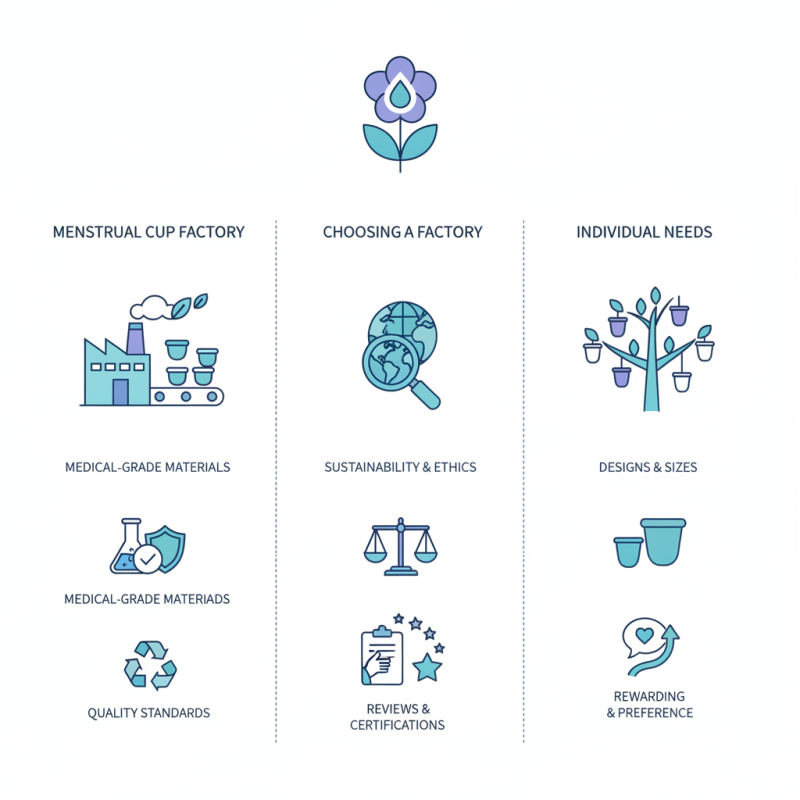
In recent years, the menstrual cup has gained popularity among those seeking eco-friendly menstrual products. A Menstrual Cup Factory plays a crucial role in this emerging market. These factories specialize in producing menstrual cups made from safe, medical-grade materials. They ensure each cup meets high-quality standards for hygiene and durability.
Choosing the right Menstrual Cup Factory can be a challenge. Consumers often seek brands that prioritize sustainability and ethical practices. It's important to consider the factory's commitment to quality control and transparency in production. Researching customer reviews and certifications can provide insight into a factory's reputation.
Additionally, not all menstrual cups are created equal. Different designs and sizes cater to individual needs. A reputable Menstrual Cup Factory will offer a range of options. However, potential buyers should reflect on their comfort and preferences before making a decision. Adopting a menstrual cup can be a rewarding experience, but it requires careful consideration.
What is a Menstrual Cup Factory?
A menstrual cup factory specializes in producing reusable menstrual cups. These factories focus on creating products that offer a sustainable alternative to traditional menstrual products. They harness new techniques and materials to enhance comfort and safety for users. Quality control measures ensure consistency and user satisfaction.
Often, these factories prioritize environmental responsibility. They strive to minimize waste during the manufacturing process. Some factories even use eco-friendly materials, appealing to eco-conscious consumers. However, not all factories maintain high standards. It’s essential to research and understand the sourcing and testing practices of different manufacturers.
Closed production lines can pose risks. Contaminants may affect the quality of the cups. Transparency is crucial. Customers want to know about the manufacturing conditions. Trust in a factory stems from its reputation and commitment to quality. Factories that engage with their customers can better understand their needs and improve products accordingly.
The Manufacturing Process of Menstrual Cups
Menstrual cups are an eco-friendly alternative to traditional feminine hygiene products. But how are they made? The manufacturing process involves several crucial steps that ensure quality and safety.
First, raw materials, usually medical-grade silicone or rubber, are sourced from reliable suppliers. These materials must meet strict health guidelines. Once delivered, the materials undergo rigorous testing. This step is essential to guarantee they are free from harmful chemicals.
Next, the production stage begins. The raw materials are heated and molded into the shape of a cup. This is a delicate process, as even slight variations can affect functionality. After molding, each cup is carefully inspected for defects. Quality checks ensure that only safe products reach consumers. Lastly, cups are sterilized and packed, ready for distribution. This meticulous process reflects the commitment to producing safe and effective menstrual cups.
Not all factories have the same standards. Some may cut corners to save costs. This can lead to subpar products. Choosing a reputable factory can make a difference in the menstrual health of many women. It's a decision worth reflecting on, as the impact of quality products is significant.
Quality Standards and Certifications in Menstrual Cup Production
When exploring menstrual cup factories, quality standards and certifications play a crucial role. Manufacturers often adhere to strict guidelines to ensure safety and comfort for users. ISO certifications are common in the industry. They signify compliance with international quality standards. This ensures that products are safe for human use and minimize potential health risks.
Furthermore, the materials used in production require scrutiny. Medical-grade silicone is a popular choice. It is hypoallergenic and durable. However, not all manufacturers guarantee this level of quality. Some may cut corners to reduce costs. This can lead to subpar products. Consumers should be aware of these risks when choosing a menstrual cup.
In addition, transparency in the manufacturing processes is essential. Ethical practices should be a priority. Factories must demonstrate accountability to gain trust. Reviews and testimonials from real users often reflect true experiences. This can guide choices better than mere marketing claims. It’s essential to look beyond certifications and demand integrity in production.
Benefits of Choosing a Reputable Menstrual Cup Factory
Choosing a reputable menstrual cup factory is crucial for quality and safety. A reliable factory uses high-grade materials and follows stringent manufacturing guidelines. This ensures the menstrual cups are safe for use and environmentally friendly. Poor-quality cups can lead to discomfort and health risks, so selection matters.
Consider these tips when looking for a menstrual cup factory. Check for certifications that indicate the cup meets health and safety standards. Look for factories with positive reviews and a transparent manufacturing process. Transparency builds trust. A company that shares information about its materials and production methods shows confidence in its products.
While price is important, it shouldn’t be the only factor. Some cheaper options may not provide the same level of comfort or durability. It’s essential to weigh cost against quality. Reflect on the long-term benefits of investing in a high-quality menstrual cup. Opting for a reliable factory means getting a product that works for your needs and contributes to sustainability.
Comparing Different Menstrual Cup Manufacturers and Their Products
When exploring menstrual cup manufacturers, it's essential to consider various factors. Not all manufacturers offer the same quality and features. Some are known for their soft silicone materials, while others focus on firmness. Women with sensitivities may prefer softer cups. However, these can be challenging to insert. Finding the right balance is crucial.
Moreover, shape and size play a significant role in comfort. Some brands offer multiple sizes to cater to different needs. A fit that's too tight can lead to discomfort, while a loose fit may cause leakage. User reviews often reveal these nuances and highlight areas for improvement. Some cups may have higher incidences of failure based on user experiences.
Recycling and sustainability are other important considerations. Some manufacturers use environmentally friendly materials. Others may not prioritize eco-friendliness. This can affect the long-term impact on the planet. Investigating materials used and production practices can provide clarity. Each choice comes with its pros and cons, deserving careful evaluation.



 08045479132
 Send Inquiry

 Send Inquiry
 Send SMS