Top Injection Machine Robot Tips for Efficient Production?
In today’s manufacturing landscape, the role of the Injection Machine Robot cannot be overstated. These robots optimize production efficiency and reduce labor costs. By automating the injection molding process, companies can achieve higher precision. Yet, deploying these robots effectively is not always straightforward.
Efficiency hinges on various factors. Properly programming the Injection Machine Robot is crucial. Regular maintenance can prevent unexpected breakdowns. Additionally, operators must be trained thoroughly. A lack of training can lead to underutilization of the robot’s capabilities. Furthermore, poor integration with existing systems may hinder performance.
Consider the layout of your workspace as well. An inefficient layout can slow down production. Aligning the robot with material flow is vital for speed. Many manufacturers overlook these details, affecting overall productivity. Reflection on these elements can lead to better outcomes and a more efficient production line. Clear strategies and implementations create value in the long run.
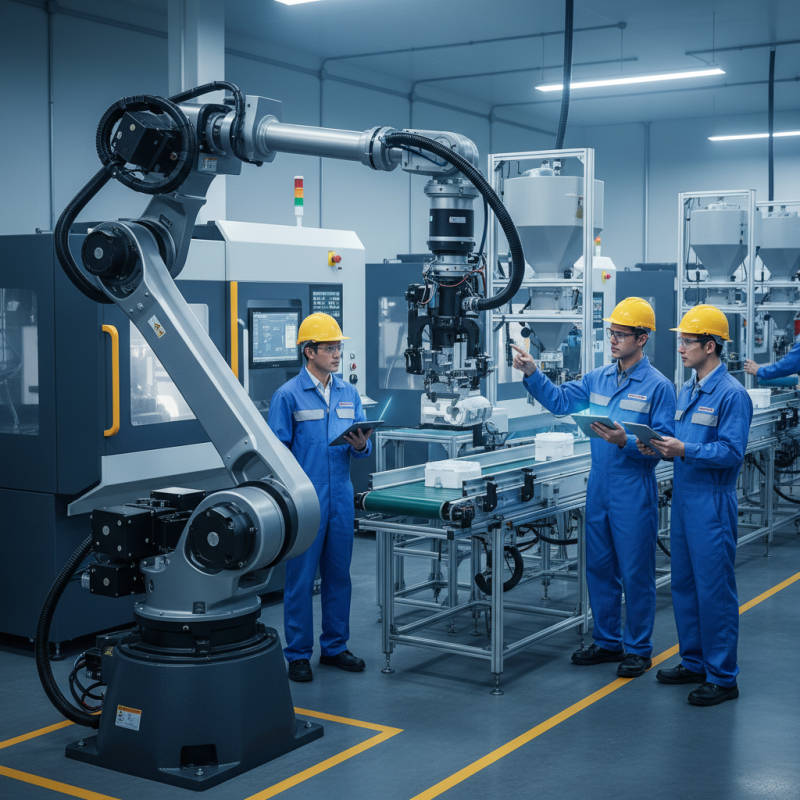
Top Automation Trends in Injection Molding for 2023
As we enter 2023, the injection molding industry embraces key automation trends. Industry reports note that more than 75% of manufacturers are investing in automation technologies. This shift aims to increase efficiency and reduce labor costs. Advanced robotics are becoming commonplace on production floors. They offer precision that significantly improves product quality.
Integrating AI into injection molding processes is gaining traction. AI helps analyze production data, optimizing performance and minimizing waste. Statista reports that companies adopting AI technologies see a 20% reduction in cycle times. This level of efficiency is essential for keeping up in a competitive market.
**Tip:** Consider upgrading to smart robots that can adapt to changing production needs. They provide flexibility, but initial costs can be high.
Another notable trend is the focus on sustainability. Eco-friendly materials are on the rise, driven by consumer demand for greener options. The industry is under pressure to reduce its carbon footprint. However, sourcing such materials can be challenging.
**Tip:** Invest in machinery that efficiently processes biodegradable materials. This shift may require overcoming technical hurdles. The benefits, though, could outweigh the struggles.
The Role of Robotic Arm Precision in Injection Molding Efficiency
Robotic arms play a crucial role in injection molding efficiency. Their precision directly affects the quality of molded parts. A well-calibrated robotic arm can reduce waste by ensuring accurate material placement. This accuracy minimizes defects, leading to a smoother production process.
However, achieving this level of precision is not without challenges. Variations in temperature, humidity, or material consistency can affect robotic performance. Regular maintenance is essential to ensure that robotic arms continue to operate at peak efficiency. Even small misalignments can lead to significant production errors.
In addition, operators must be trained to monitor these systems closely. While automation improves efficiency, human oversight remains critical. Recognizing when things go wrong is vital. Continuous assessment of the robotic arm's performance can help address issues before they escalate. This feedback loop is key to improving overall production efficiency in injection molding processes.
Key Metrics for Measuring Injection Machine Performance
Measuring the performance of injection molding machines requires specific metrics. Cycle time is critical. According to industry reports, an ideal cycle time is around 30 to 60 seconds. However, many facilities fall short. A machine might run slower due to improper setup or inadequate maintenance. This delay can lead to increased production costs and lost opportunities.
Another important metric is the yield rate. It represents the percentage of good parts produced from a batch. Industry standards often target a yield of 90% or higher. Yet, achieving this can be challenging. Factors like material quality and machine calibration affect yield. Operators need to monitor and adjust settings regularly. Even minor deviations can lead to significant drops in yield.
Energy consumption is also worth noting. Machines should ideally minimize energy usage while maximizing output. A report indicates that optimizing energy can reduce costs by up to 15%. However, some machines are not energy-efficient. Invest in technologies that track energy consumption. This data helps identify inefficiencies. Understanding these metrics allows for actionable improvements.
Best Practices for Integrating Robots in Injection Molding Lines
Integrating robots into injection molding lines can dramatically enhance efficiency. However, it requires careful planning and execution. One key tip is to ensure proper alignment of robots with the molding machines. Misalignment can cause delays and affect output quality. Regularly check the calibration to avoid these pitfalls.
Another important consideration is the programming of the robots. Faulty or unclear programming can lead to mistakes in the production process. It's crucial to invest time in training operators who manage these systems. Sometimes, small errors can compound, leading to larger issues down the line. Implementing routine checks can help identify flaws early.
Finally, pay attention to maintenance schedules. Neglecting routine maintenance can lead to downtime, which affects production efficiency. It’s essential to develop a proactive maintenance plan. Even minor wear and tear can disrupt the workflow. As you adopt these practices, stay flexible and open to adjustments. Reflection on operational challenges is vital for continuous improvement.
Top Injection Machine Robot Tips for Efficient Production
| Tip | Description | Benefits | Implementation Difficulty |
| Optimize Robot Path | Analyze and streamline the movement paths of robots to reduce cycle time. | Increased efficiency and reduced production time. | Medium |
| Integrate Sensors | Use sensors to provide real-time feedback and make necessary adjustments. | Enhanced precision and quality control. | High |
| Regular Maintenance | Schedule routine checks to ensure robots are operating at peak performance. | Minimized downtime and extended machinery lifespan. | Low |
| Training Staff | Provide training programs for operators to maximize robot capabilities. | Increased productivity and reduced operational errors. | Medium |
| Software Upgrades | Keep robots updated with the latest software to enhance performance. | Improved functionality and access to new features. | High |
Cost-Benefit Analysis of Robotic Automation in Manufacturing
Robotic automation is transforming the manufacturing sector. Recent studies show that companies using robots can boost productivity by up to 30%. This increase often leads to significant cost savings over time. However, the upfront investment can be daunting. A report from the International Federation of Robotics indicates that the average cost of a robotic system ranges from $25,000 to $100,000.
Though many manufacturers highlight efficiency gains, some still struggle with initial implementation challenges. A survey revealed that 40% of companies experienced disruptions during robot integration. This reflects the need for careful planning. Without proper training, employees may resist changes. A smooth transition is vital for long-term benefits.
In production lines, robots reduce labor costs. They operate 24/7, minimizing downtime. Interestingly, a study found that firms reported a 20% reduction in labor costs after adopting robotic systems. Still, ongoing maintenance is a crucial factor to consider. Budgeting for repairs can consume 15% of total operational costs. This complexity requires strategic financial planning to ensure sustainable benefits.
Cost-Benefit Analysis of Robotic Automation in Manufacturing



 08045479132
 Send Inquiry

 Send Inquiry
 Send SMS