A flat battery can turn an ordinary morning into a quiet car, a dim dashboard, and a missed appointment. ADAC’s 2024 Pannenstatistik recorded about 3.5 million roadside breakdowns in Germany during 2023; 44.1% involved the starter battery. That is a lot. The figure shows why knowing how to use a Car Battery Jumper is a practical skill, not just an emergency trick.
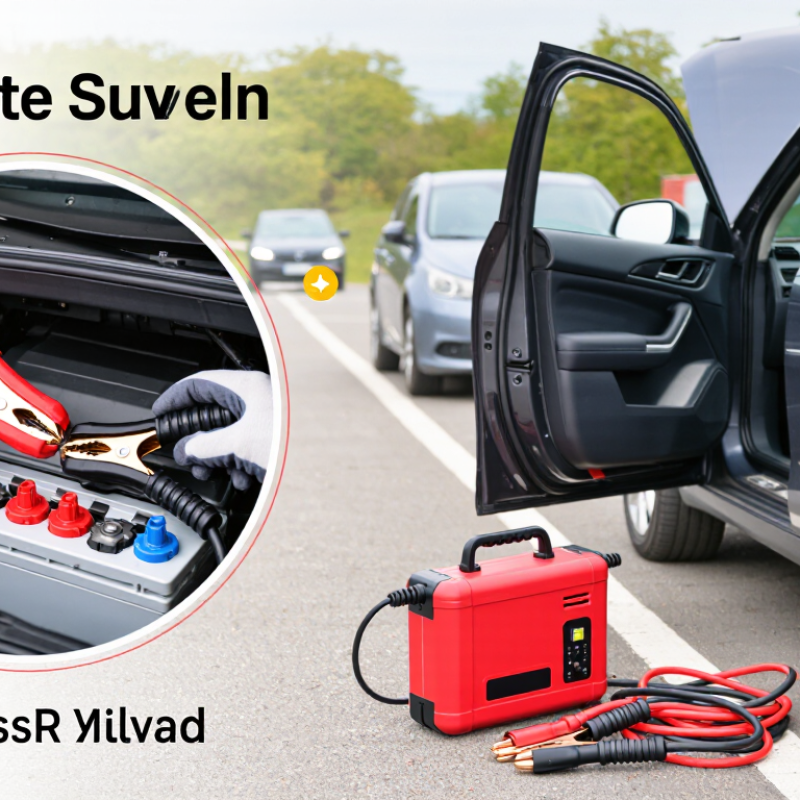
This guide explains how to identify the right equipment, prepare the vehicle, and connect a portable jump starter or jumper cables safely. The two methods are related, but their connection steps and manufacturer instructions can differ. Check your owner’s manual before starting, confirm the system voltage, and inspect the battery for cracks, leaks, or swelling. Stop if anything looks damaged. A jump may restore power, but it does not repair a failing battery or charging system. That distinction is easy to miss when you are cold, rushed, and watching the headlights flicker. The instructions ahead focus on careful connections, clear safety checks, and what to do after the engine starts. They cannot replace the manual for your specific vehicle or jumper. A little hesitation is sensible here; a reversed clamp or overlooked warning can cause damage.
Before using a car battery jumper, read the owner’s manual for both vehicles. Jump-starting points and procedures can differ, especially in vehicles with remote terminals or hybrid systems. A few minutes of checking matters. Park on firm, level ground, away from traffic, and keep the vehicles from touching. Set both parking brakes, shift to Park or Neutral, switch off the ignitions, and turn off lights and accessories.
Inspect the battery before connecting anything. Do not jump-start a battery that is cracked, leaking, swollen, or frozen; acid and internal damage can make the situation dangerous. Check that the jumper cables are rated for the vehicle and have no exposed wires, loose clamps, or melted insulation. Wear eye protection, remove metal jewelry, and keep cigarettes, flames, and sparks well away. Batteries can release flammable gas.
Let the engine cool if the battery area is hot, and make sure the work area has plenty of ventilation. Keep children and pets clear. If the battery is hard to reach, or the manual’s instructions are unclear, pause and ask a qualified technician rather than guessing. It is easy to rush when a car will not start; that is exactly when a missed safety check can matter.



 08045479132

 Send Inquiry


 Send Inquiry
 Send SMS

