| Manufacturing experience | Experience producing wet wipes and handling cosmetic formulations, filling, sealing, and batch release. | Facility overview, product-category history, manufacturing process flow, and recent production examples with confidential details removed if needed. | Confirm the supplier makes the product type in-house or clearly identifies any subcontracted steps. |
| Quality management | Documented procedures for incoming materials, production checks, finished-product release, complaints, and corrective actions. | Current quality-system certificate, scope and site details, audit summary, sample batch records, and complaint-handling procedure. | Check that any certificate is current and covers the actual manufacturing site and relevant activities; certification does not replace product testing. |
| Cosmetics GMP | Controls for hygiene, personnel, premises, equipment, production, storage, and documentation. | Evidence of cosmetics GMP implementation; where applicable, a current ISO 22716 certificate or independent audit report. | Verify the certificate scope, issuing body, validity, and facility address. ISO 22716 is a cosmetics GMP guideline, not proof that every product is compliant. |
| Product safety and stability | Microbiological quality, preservative effectiveness where appropriate, formula stability, packaging compatibility, and intended-use safety. | Relevant test reports, test methods, sample details, dates, and laboratory information; request reports for the proposed formula and pack format. | Ask how the supplier substantiates shelf life and prevents contamination after opening. Testing needs depend on the formula, packaging, and destination market. |
| Regulatory readiness | Ability to provide documentation and support labeling and market-specific cosmetic obligations. | Ingredient list using accepted nomenclature, product specifications, safety documentation, label review support, and applicable market records. | For EU/EEA sales, confirm arrangements for the responsible person, safety assessment, product information file, and required notification. For US sales, confirm applicable MoCRA obligations and any exemptions; requirements depend on the product and business. |
| Traceability and recall readiness | Ability to trace ingredients and packaging to finished batches and respond to quality incidents. | Batch-coding method, traceability procedure, sample recall records, and documented escalation contacts. | Ask the supplier to explain how a finished batch can be linked to its key raw-material lots and production records. |
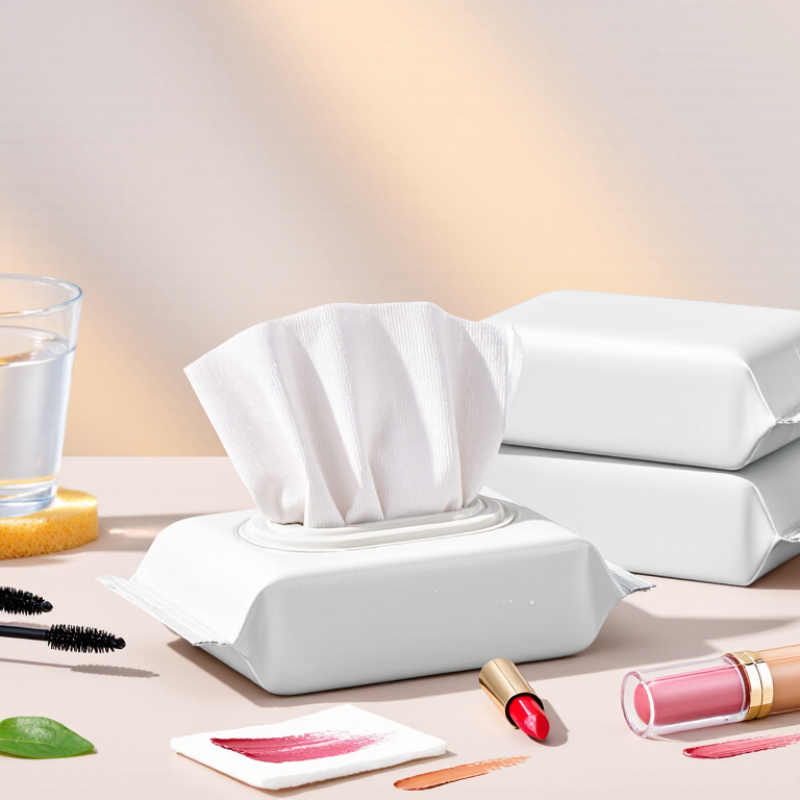
| Substrate and wipe performance | Substrate composition, softness, strength when wet, sheet dimensions, lotion loading, and makeup-removal performance. | Substrate specification, ingredient and material disclosures, product samples, and test results supporting any performance claims. | Evaluate samples for cleansing, residue, fragrance, skin feel, sheet integrity, and compatibility with the intended user group. |
| Order capacity and lead time | Available production capacity, raw-material availability, seasonal constraints, and ability to meet delivery dates. | Written quotation showing MOQ, production lead time, sample lead time, capacity assumptions, and shipment terms. | Compare written quotations rather than relying on generic industry figures; lead times and minimum orders vary by formula, packaging, and order size. |
| Communication and delivery reliability | Clarity, response time, issue escalation, shipment planning, and consistency between promised and actual performance. | Named account and quality contacts, order milestones, shipment updates, and references where available. | Use a small initial order or pilot run to evaluate documentation quality, sample-to-production consistency, and communication. |
| Formula customization | Options for fragrance-free or fragranced formulas, cleansing agents, moisturizers, and other requested formula features. | Available formulation options, ingredient disclosures, development fees, sample plan, testing plan, and change-control process. | Confirm whether a request uses an existing base formula or requires development, and agree on approval criteria before production. |
| Packaging and private label | Pack sizes, closure options, artwork support, labeling languages, and print consistency. | Packaging specifications, artwork template, print proof, component samples, and confirmation of who owns supplied artwork and tooling. | Approve a production-representative proof and packaging sample; check seal integrity, dispensing, legibility, and required label details. |
| Environmental claims and materials | Substrate and packaging composition, sourcing claims, and the evidence supporting environmental statements. | Material declarations, supplier documentation, and relevant chain-of-custody or claim substantiation where applicable. | Do not treat terms such as “biodegradable” or “plastic-free” as self-verifying; request evidence that matches the exact material and claim. |



 08045479132

 Send Inquiry


 Send Inquiry
 Send SMS

