| Operating-point efficiency | Blade efficiency or power output at the same inlet pressure and temperature, gas flow, outlet pressure, and gas composition. | Performance is supported by a clearly stated calculation or test method and matches the plant’s normal operating range—not just a single best-case point. | Higher efficiency can increase recovered power at comparable operating conditions. Compare the expected annual energy benefit with the installed cost and any operating constraints. |
| Operating envelope | Expected ranges of gas flow, pressure ratio, temperature, and permitted load changes; include normal start-up and shutdown conditions. | The blade design remains within its documented operating limits across the plant’s actual duty cycle. Confirm any minimum-flow or restricted operating conditions. | A mismatch can reduce output, increase operating restrictions, or require more frequent intervention. Use plant operating records rather than nominal design values alone. |
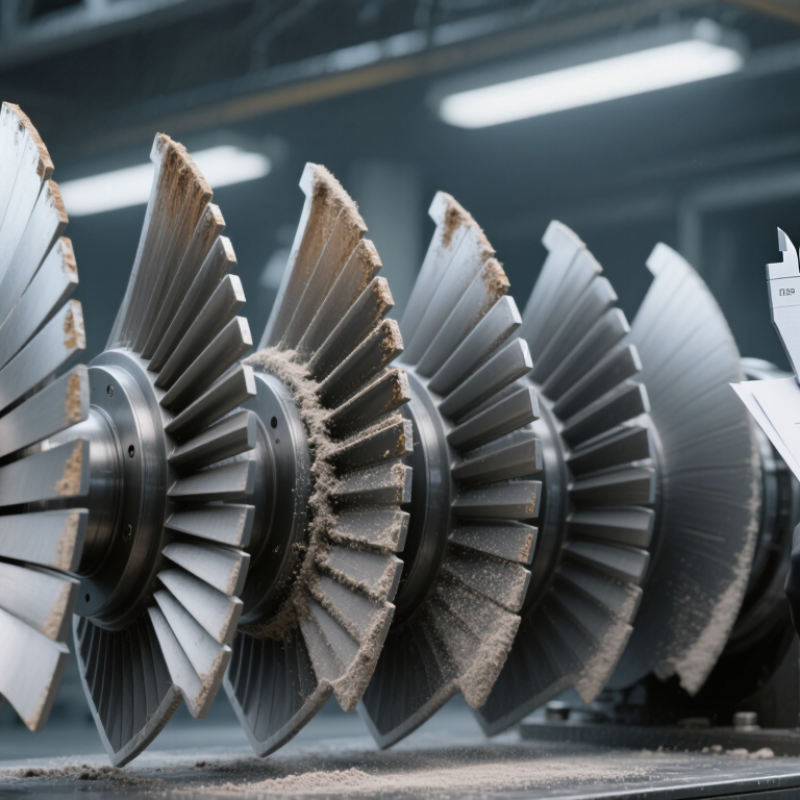
| Gas cleanliness and erosion | Residual dust concentration and particle characteristics downstream of gas cleaning, together with blade erosion history and inspection findings. | The design and material selection account for the actual residual particulate exposure. Erosion-resistant features are substantiated for the relevant gas and particle conditions. | Particle erosion can alter blade profiles and reduce aerodynamic performance over time. Include inspection, repair, and replacement needs in the cost comparison. |
| Material and gas compatibility | Blade material specifications considered against gas composition, moisture, temperature, and exposure to corrosive constituents. | Material suitability is documented for the site’s measured or specified conditions, including any relevant corrosion or temperature limitations. | Material choice affects resistance to degradation and the likely repair interval. A higher initial material cost is worthwhile only when supported by a credible service-life benefit. |
| Blade geometry and fit | Airfoil geometry, dimensional tolerances, rotor and casing clearances, attachment details, and compatibility with the existing turbine configuration. | Drawings and inspection records demonstrate dimensional compatibility. The design maintains appropriate clearances and avoids unverified changes to the flow path. | Fit or clearance issues can affect performance, vibration, and installation time. Verify interfaces before purchase to reduce rework and outage risk. |
| Mechanical integrity | Design limits for rotational speed, temperature, cyclic loading, and vibration; material certificates and applicable inspection or non-destructive examination records. | Calculations, manufacturing records, and inspection evidence are available for the supplied blade and its attachment features. | Mechanical issues can lead to unplanned outages and consequential damage. Assess the evidence and failure consequences, not just the purchase price. |
| Coatings or surface treatments | Coating purpose, substrate compatibility, application process, thickness or acceptance criteria, and inspection requirements. | The treatment addresses a defined site-specific issue, such as surface degradation, and its limitations and repair method are documented. | Include recoating, inspection, and repair costs. A coating should not be assumed to prevent erosion or corrosion unless performance is supported for the relevant service conditions. |
| Reliability and service history | Comparable operating references, documented service conditions, failure or repair modes, and inspection intervals. | Evidence relates to similar TRT duty and gas conditions. Differences in operating point, gas cleaning, and maintenance practice are clearly identified. | Comparable service evidence helps estimate maintenance frequency and outage exposure; generic claims without operating context are less useful for cost planning. |
| Manufacturing quality and traceability | Material traceability, manufacturing inspection records, dimensional inspection, balancing documentation where applicable, and acceptance criteria. | Required records are supplied and linked to the individual components. Acceptance requirements are agreed before manufacture and delivery. | Clear quality records support inspection, maintenance decisions, and future replacements, and can reduce commissioning delays and avoidable rework. |
| Maintenance and repairability | Inspection access, repair limits, availability of repair procedures, expected turnaround time, and spare-part strategy. | Inspection and repair requirements are practical for the site’s outage schedule, and replacement parts or repair services can be planned in advance. | Consider labor, repair, logistics, and outage duration in addition to the blade’s purchase price. Availability can materially affect total cost. |
| Lifecycle cost comparison | Installed cost, expected recovered-power value, maintenance and repair costs, planned replacement costs, and outage-related costs over a common evaluation period. | Options are compared using the same operating assumptions, service period, energy-value assumptions, and discounting method. | Net lifecycle cost = purchase and installation + maintenance and repair + outage costs + replacement costs − value of recovered energy. State assumptions and use site-specific data. |



 08045479132

 Send Inquiry


 Send Inquiry
 Send SMS

