| Hose selection | Choose a hose specifically rated for the fuel type, operating pressure, temperature range, and intended transfer method. | Check the hose markings and product documentation for fuel compatibility and pressure and temperature limits. | Fuel formulations and operating conditions vary; a general-purpose hose may not be suitable for fuel service. |
| Pre-installation | Confirm that the hose, fittings, and seals are compatible with one another and with the fuel being handled. | Inspect for cuts, cracks, flattened areas, exposed reinforcement, damaged ends, or contamination before use. | Damaged or incompatible components can leak or fail during transfer. |
| Routing | Route the hose to avoid sharp edges, hot surfaces, moving parts, and unnecessary contact with the ground. | Check the entire route for abrasion points, heat exposure, pinch hazards, and trip hazards. | Reducing external damage helps preserve the hose and lowers the risk of a leak. |
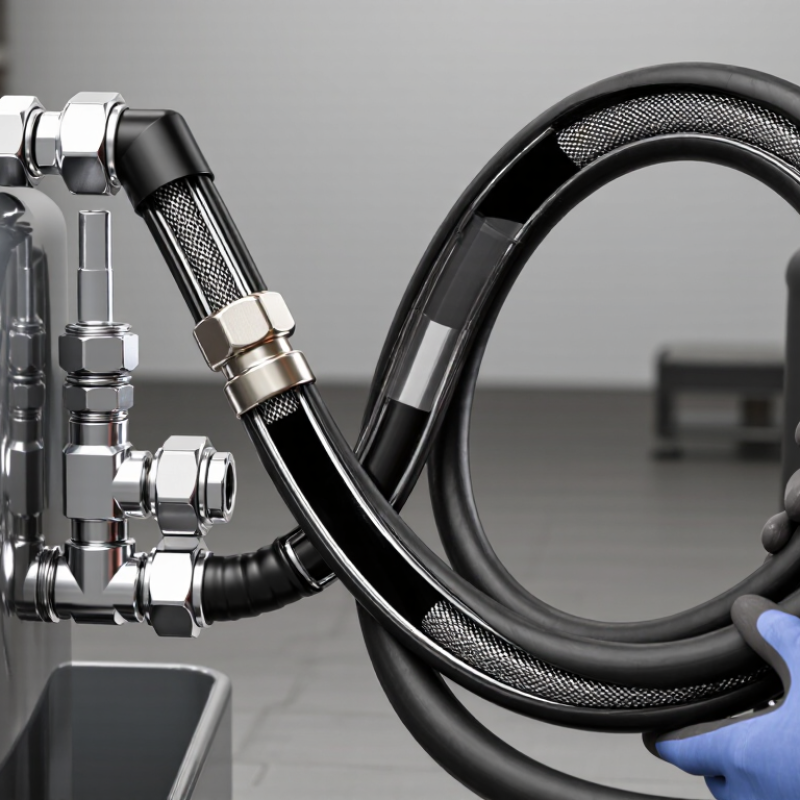
| Bend and support | Keep bends within the minimum bend radius specified by the hose manufacturer and support the hose where needed. | Look for kinks, twisting, tight bends, or unsupported weight pulling on connections. | Kinking and excessive strain can restrict flow and damage the hose or its connections. |
| Connection | Use fittings intended for the hose and secure them using the specified assembly method. | Verify that connections are properly seated and secured; do not rely on improvised adapters or repairs. | Correctly assembled connections help prevent leaks and accidental separation. |
| Before transfer | Secure the receiving and supply equipment, establish a clear work area, and follow site procedures for controlling ignition sources. | Check that the hose is connected at both ends, valves are in the intended positions, and spill-response materials are available as required. | Preparation helps reduce spill, fire, and handling risks during fuel transfer. |
| Routine inspection | Inspect the hose and connections before use and at intervals set by the site’s risk assessment and applicable requirements. | Look for leaks, swelling, soft or brittle areas, cracking, abrasion, corrosion at fittings, and loose connections. | Visible changes can indicate deterioration; a hose showing damage or leakage should be removed from service. |
| Cleaning and storage | Use cleaning methods compatible with the hose, drain or manage residual fuel according to site procedures, and store the hose away from damaging conditions. | Keep it protected from excessive heat, direct sunlight where applicable, chemicals, sharp objects, and crushing loads. | Appropriate care helps limit degradation and keeps the hose ready for its intended use. |
| Replacement and records | Replace damaged, leaking, or unsuitable hose assemblies; keep inspection and replacement records where required. | Follow the manufacturer’s guidance and applicable regulations; do not use a universal service-life assumption. | Condition, service, fuel type, and operating environment affect hose life, so decisions should be based on documented guidance and inspection. |



 08045479132

 Send Inquiry


 Send Inquiry
 Send SMS

