| Outer Housing | Structure | Protects the internal parts and provides the pen-shaped form. | The housing holds the airflow path, flavor element, mouthpiece, and any optional electronic parts in alignment. | Usually made from food-contact-compatible plastic, aluminum, or stainless steel. | It should be durable, easy to clean on the exterior, and free from sharp edges or loose parts. |
| Mouthpiece | Air Delivery | Provides the point where the user draws air through the device. | A draw creates a pressure difference that moves air through the internal channel and across or near the flavor source. | Typically uses molded food-grade plastic, silicone, or another suitable non-porous material. | The mouthpiece should be smooth, securely attached, and designed to reduce contact contamination. |
| Air Inlet | Airflow | Allows surrounding air to enter the pen. | When the user inhales, outside air is pulled through one or more small openings and directed toward the flavor section. | Small molded openings or a slotted inlet integrated into the housing. | Blocked or restricted inlets can reduce airflow; the openings should be kept free of dust and debris. |
| Airflow Channel | Air Delivery | Guides air from the inlet to the mouthpiece. | The internal passage controls the route and resistance of the air moving through the device. | Formed directly into the housing or created with a separate plastic or metal insert. | Its dimensions influence draw resistance, sound, and the consistency of flavor delivery. |
| Flavor Element | Flavor System | Adds a detectable aroma or flavor to the passing air without requiring combustion. | Air passes over or through a scented medium, allowing volatile flavor molecules to mix with the airflow. | May use a dry impregnated insert, aroma strip, porous fiber, or sealed flavor capsule containing a food-grade flavoring system. | The flavor element should remain physically separated from the user’s mouth and should not release loose particles into the airflow. |
| Flavor Reservoir or Capsule | Flavor Storage | Stores the flavoring material when the design uses a replaceable or enclosed flavor module. | The reservoir holds the flavor medium and exposes it to controlled airflow through a permeable barrier or channel. | Common designs use sealed polymer capsules, porous inserts, or absorbent carriers. | A sealed construction helps limit leakage, evaporation, and accidental direct contact with the flavoring material. |
| Filter or Mesh Barrier | Protection | Helps prevent fibers, droplets, or loose particles from moving toward the mouthpiece. | The barrier allows air to pass while retaining larger particles from the flavor section. | May consist of food-contact-compatible mesh, nonwoven fiber, or a molded perforated insert. | It must not become excessively restrictive, contaminated, or damaged during use. |
| Condensation Control Area | Moisture Management | Limits the buildup of moisture created by humid exhalation or temperature changes. | A small chamber, absorbent pad, or separated airflow section can collect or redirect minor condensation. | May use an absorbent insert or a molded chamber made from a compatible polymer. | Visible liquid, leakage, or persistent wetness indicates that the device should not continue to be used. |
| Draw-Activated Sensor | Optional Electronics | Detects inhalation in electronic versions and activates an indicator or airflow feature. | A pressure or air-pressure sensor responds to a change in pressure when the user draws through the mouthpiece. | Typically a miniature pressure sensor connected to a small control circuit. | Many non-electronic flavored air pens do not include a sensor and operate solely through natural airflow. |
| Battery | Optional Electronics | Supplies power to electronic indicators or an optional air-moving mechanism. | The battery provides low-voltage electrical energy to the control circuit when the device is activated. | May be a small rechargeable lithium-ion cell or a non-rechargeable battery, depending on the design. | Battery-equipped products require protection against overheating, short circuits, overcharging, and physical damage. |
| Indicator Light | Optional Electronics | Communicates operating status, activation, or low power. | An LED illuminates when the sensor or control circuit detects a specified operating condition. | Small low-power LED connected to the internal control board. | An indicator light provides information only; it does not itself create flavor or improve airflow. |
| Seals and Gaskets | Safety and Assembly | Help maintain separation between internal sections and reduce unwanted air leakage. | Flexible sealing parts sit between assembled components and compress to close small gaps. | Often made from silicone or another compatible elastomer. | Damaged or displaced seals can cause leakage, loose components, or inconsistent airflow. |
| End Cap or Closure | Protection | Closes an end of the pen and may protect the mouthpiece during storage. | A fitted cap or end piece covers the opening and helps reduce exposure to dust or accidental contact. | Usually molded plastic, silicone, or lightweight metal. | The closure should be removed before use if it obstructs the airflow path. |
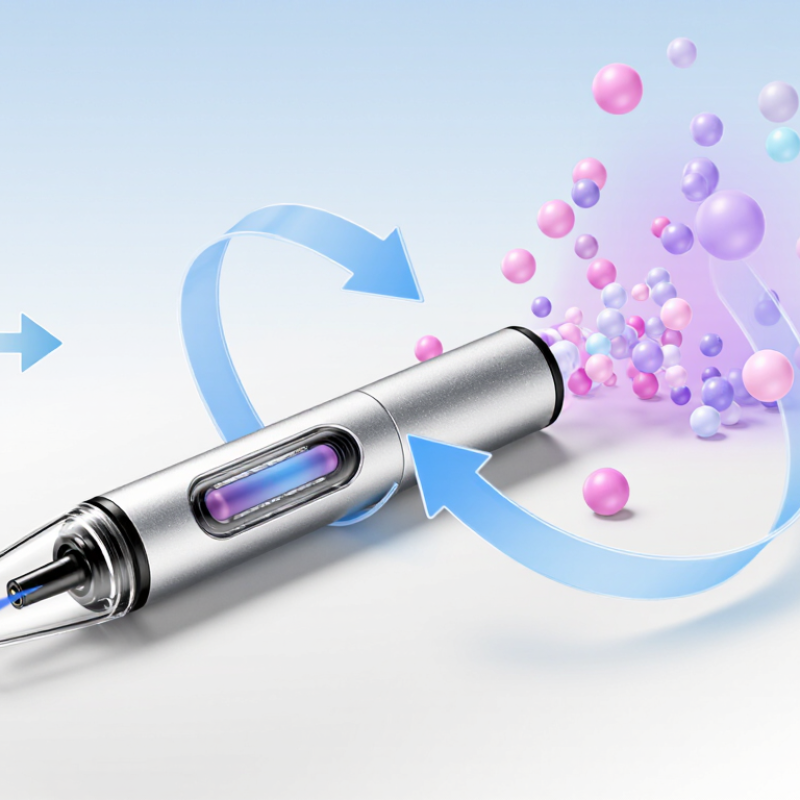
| Operating Principle | Function | Combines airflow with a flavor source to produce flavored air. | The user draws through the mouthpiece; ambient air enters the inlet, passes the flavor element, and exits through the mouthpiece carrying aroma compounds. | Operation may be entirely passive or may include optional electronic sensing and indication. | A flavored air pen is not the same as a device that heats a liquid to create an aerosol; product construction should be checked before use. |



 08045479132
 Send Inquiry

 Send Inquiry
 Send SMS