How to Find the Best T-Vector Supplier in China?
Finding the best T-Vector supplier in China requires more than comparing online prices. The name may describe different models, specifications, or applications. Define the product clearly before contacting factories. Record dimensions, materials, performance targets, packaging, certifications, and expected annual volume. A precise brief prevents attractive quotations from hiding major quality differences.
Industry data supports a careful sourcing approach. The World Bank’s Logistics Performance Index 2023 gave China a score of 3.7, ranking it among the world’s stronger logistics markets. However, national performance does not guarantee one factory’s reliability. The UNCTAD Review of Maritime Transport 2023 also highlights continuing pressures on shipping capacity, transit times, and freight costs. Your supplier should therefore explain production lead times, export experience, and backup shipping options. Ask for a recent factory audit, traceable material records, and samples from normal production. Not only showroom samples.
A dependable T-Vector supplier should provide consistent test reports, clear payment terms, and responsive technical support. Request evidence linked to recognized standards, such as ISO 9001 quality procedures, where relevant. Independent inspection can verify quantity, appearance, dimensions, and functional performance before shipment. I have seen sourcing decisions fail when buyers trusted polished websites over production evidence. That mistake is easy to repeat. Compare at least three suppliers using the same scorecard. Evaluate quality stability, communication, capacity, compliance documents, total landed cost, and after-sales support. Public market reports rarely isolate T-Vector specifically, so supplier-level evidence matters more than broad industry forecasts. A strong partnership begins with verification, not promises.
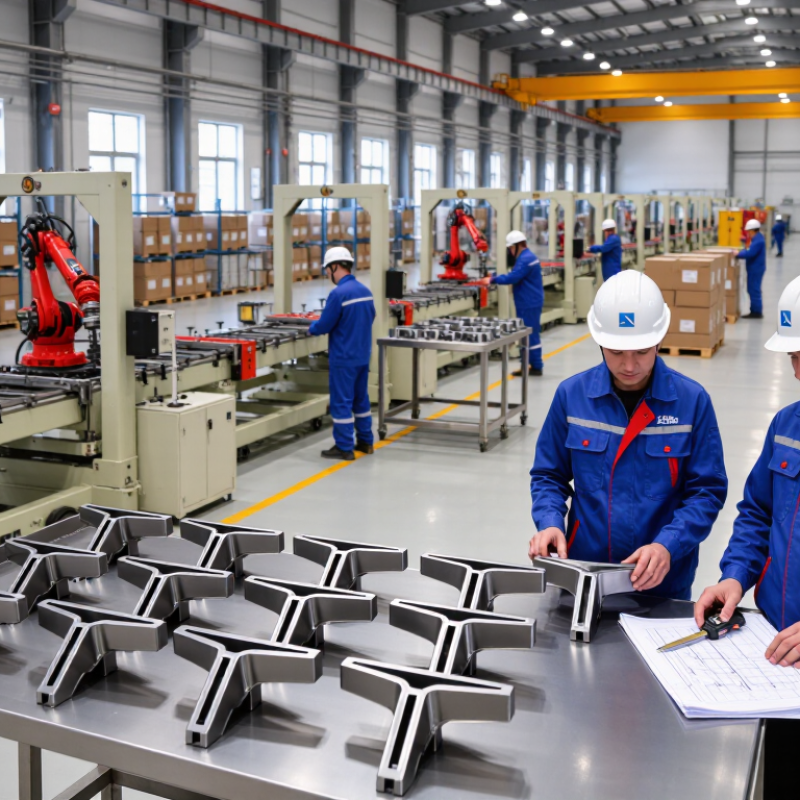
Define Your T-Vector Product Requirements and Quality Standards
Before comparing a T-vector supplier in China, create a precise product brief. Define the vector’s application, dimensions, material, color, weight, operating temperature, and expected service life. Add drawing files with tolerances, not only attractive sample photos. State the acceptable defect level and inspection method. ISO 2859-1 can support a practical acceptance sampling plan. It helps control scratches, misalignment, weak joints, and inconsistent finishes.
Quality requirements should include measurable tests. Ask for material certificates, dimensional reports, batch traceability, and pre-shipment inspection records. ISO’s 2022 Survey reported more than 1.2 million ISO 9001 certificates worldwide, yet certification alone cannot prove every T-vector batch. Request a recent corrective-action report and a sample inspection checklist. The World Bank’s 2023 Logistics Performance Index covered 139 economies, showing why delivery reliability and customs readiness also deserve written targets. Specify lead time, packaging strength, spare-part policy, and response time for complaints. These details often expose weak suppliers early.
Tips: Send one approved “golden sample” with your drawings. Measure five production samples independently. Compare results against tolerance limits, not personal impressions. I would still challenge my own specification after testing. A requirement may look professional but remain incomplete in actual use. Photograph each critical measurement, record the instrument used, and keep signed inspection evidence before releasing the balance payment.
Research China-Based T-Vector Suppliers and Manufacturing Capabilities
Finding a reliable T-vector supplier in China starts with clear technical requirements. Define dimensions, materials, load limits, surface finish, tolerance, packaging, and expected service life. A supplier should explain how each requirement will be controlled. Do not trust catalog photos alone. Request recent drawings, inspection records, production samples, and references from similar projects. These details reveal more than polished sales language.
Research the factory’s actual manufacturing capabilities, not only its trading profile. Depending on the T-vector design, useful equipment may include CNC machining, extrusion, stamping, welding, or precision assembly lines. Ask about tooling ownership, daily capacity, material traceability, and quality checkpoints. Review their measurement equipment and calibration records. See the process yourself. An on-site visit is valuable, but a live video audit can also expose crowded work areas, outsourced processes, or weak inspection routines. A small gap here can become a costly production problem.
Before approving volume production, compare a sample with the approved drawing. Test fit, dimensions, finish, and performance under realistic conditions. Confirm batch records, corrective-action procedures, lead times, and export documentation. Certifications matter only when they are current and relevant. I would not select the lowest quotation immediately; low pricing may hide unstable materials or repeated rework. My own evaluation could still miss a hidden subcontractor, so written process evidence and a pilot order provide useful protection. Reliable communication matters too. Replies should be specific, consistent, and supported by measurable data.
Compare Samples, Pricing, Lead Times, and Minimum Order Quantities
How to Find the Best T-Vector Supplier in China?
Samples reveal more than a polished catalog. Request two or three T-vector samples from different factories. Check dimensions, surface finish, material consistency, stitching, and packaging by hand. Measure critical points with a caliper when accuracy matters. Photograph each sample under natural light. I once approved a sample too quickly and missed a slight color mismatch. That small mistake became expensive during bulk production. Ask whether the sample uses the same materials and machinery as the final order.
Pricing needs a wider view than the unit quote. Request a written breakdown covering tooling, sample charges, packaging, inspection, inland delivery, and shipping terms. Compare equal specifications, not attractive numbers. A cheaper offer may exclude protective packaging or quality checks. Calculate the landed cost for your actual destination. Leave room for currency changes and unexpected corrections. The lowest price is not always the strongest value.
Lead time and minimum order quantity can affect cash flow sharply. Ask for separate timelines for sampling, production, inspection, and dispatch. A reliable supplier should explain capacity during busy seasons. Confirm the MOQ for each color, size, or custom finish. A factory may accept a small trial order but charge more for it. Put approval standards in writing before production starts. Include tolerances, defect limits, carton details, and replacement procedures. Keep communication records. Vague promises often create avoidable delays.
How to Find the Best T-Vector Supplier in China? - Compare Samples, Pricing, Lead Times, and Minimum Order Quantities
Comparison basis: standard T-vector configuration, export packaging, EXW pricing, and one production-ready sample. Prices are indicative benchmark ranges and should be confirmed against final specifications, materials, tooling, and shipping terms.
| Supplier Profile | Sample Availability | Sample Cost | Unit Price at 500 pcs | Unit Price at 2,000 pcs | Sample Lead Time | Mass-Production Lead Time | MOQ | Customization | Quality & Documentation |
Profile A
High-volume manufacturer | Available from existing tooling | US$35–60
Refundable after order | US$8.40–9.20 | US$6.90–7.60 | 5–7 days | 18–25 days | 500 pcs | Logo, color, packaging, minor dimensional changes | In-process inspection, final inspection report, material declaration |
Profile B
Flexible customization partner | Custom sample available | US$60–100
Tooling quoted separately | US$9.80–11.20 | US$8.10–9.00 | 7–10 days | 22–30 days | 300 pcs | Dimensions, material, surface finish, branding, packaging | Dimensional report, sample approval record, batch traceability |
Profile C
Export-oriented supplier | Standard sample in stock | US$25–45
Shipping excluded | US$8.90–10.10 | US$7.40–8.30 | 3–5 days | 20–28 days | 1,000 pcs | Logo and packaging; limited structural changes | Pre-shipment inspection, commercial packing list, standard export documents |
Profile D
Small-batch specialist | Prototype production available | US$80–150
Includes basic prototype setup | US$12.50–14.80 | US$10.20–12.00 | 10–15 days | 25–35 days | 100 pcs | Extensive customization, low-volume pilot orders | Prototype measurement report and first-article inspection |
Profile E
Cost-focused production supplier | Standard sample available | US$20–40
Shipping excluded | US$7.20–8.10 | US$5.90–6.70 | 5–8 days | 25–32 days | 2,000 pcs | Limited to existing molds, colors, and packaging | Basic inspection checklist; third-party inspection available at buyer’s cost |
Profile F
Compliance-focused supplier | Pre-production sample required | US$45–75
Credited against bulk order | US$10.60–12.00 | US$8.80–9.80 | 7–12 days | 28–38 days | 500 pcs | Material substitutions require written approval | Material certificates, restricted-substance documentation, lot-level traceability |
Best for lowest unit cost
Profile E is suitable for large, repeat orders with limited customization.
Best for low MOQ
Profile D offers the lowest entry quantity for pilot production and product validation.
Best for documentation
Profile F is better suited to projects requiring traceability and compliance records.
Note: Final quotations may change according to material grade, dimensions, tolerances, surface treatment, tooling, packaging, inspection requirements, Incoterms, and order quantity.



 08045479132

 Send Inquiry


 Send Inquiry
 Send SMS

