What is Electrical Steel and Why is it Important?
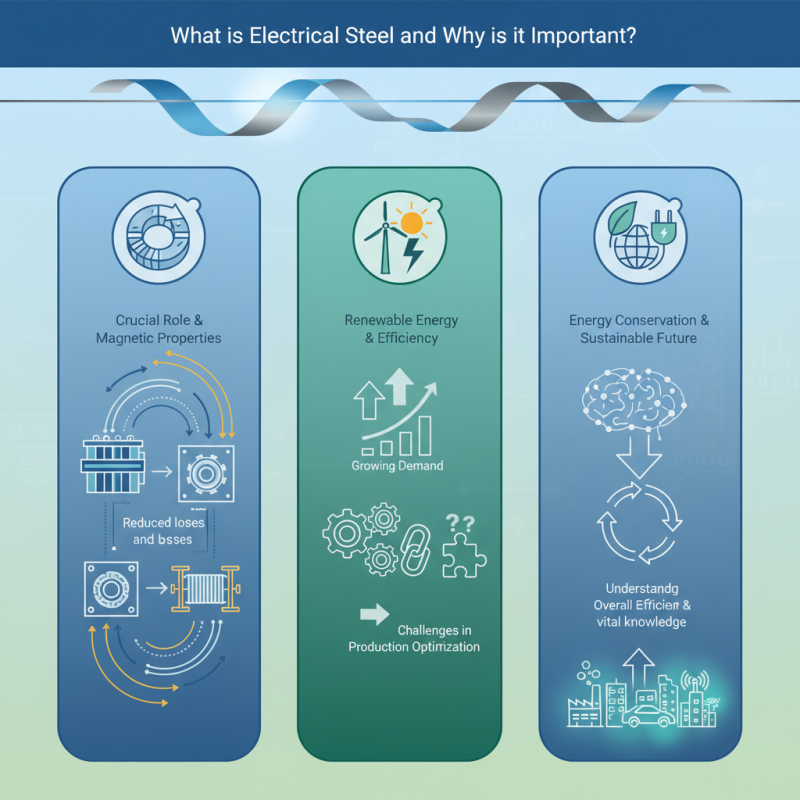
Electrical Steel plays a crucial role in the modern electrical industry. This specialized material is essential for manufacturing transformers, electric motors, and generators. Due to its magnetic properties, electrical steel significantly reduces energy losses.
With the rise of renewable energy sources, the demand for efficient electrical components is growing. Electrical steel is a key material that supports this shift. Many manufacturers are continually innovating to enhance its performance. However, challenges remain in optimizing its production processes.
The importance of electrical steel cannot be overstated. It affects energy conservation and overall efficiency. As the world seeks sustainable solutions, understanding electrical steel becomes vital. Embracing advancements in this material can lead to significant improvements in various industries.
What is Electrical Steel? Definition and Composition Overview
Electrical steel is a specialized form of steel. It has unique properties that enhance electrical efficiency. This type of steel is primarily used in transformers and electric motors. Its composition often includes silicon to improve performance. The silicon content typically ranges from 0.5% to 6.5%. This addition reduces energy loss during operation.
When creating electrical steel, the manufacturing process is crucial. The steel must be thin and have a high magnetic permeability. Often, it's laminated to minimize eddy current losses. This careful design makes a difference in energy consumption. Each layer is insulated, further reducing losses. Sometimes, the production might not meet desired standards. That reflects on efficiency and durability.
**Tip:** When selecting materials, always consider the application. Not all steels are equal.
Maintaining quality in production is vital. Impurities can affect magnetic properties. Regular testing and feedback can help improve the process. Don’t hesitate to re-evaluate techniques. Small changes can lead to better performance.
**Tip:** Invest in research. Innovations in electrical steel can lead to significant advances in energy efficiency.
Electrical Steel Production by Type
The chart above illustrates the production volume of different types of electrical steel, highlighting the importance of grain-oriented and non-grain-oriented electrical steels in the industry.
Key Properties of Electrical Steel: Magnetic and Mechanical Characteristics
Electrical steel is a specialized material used in the manufacturing of transformers and electric motors. Its unique magnetic properties make it essential for efficiency in energy conversion. The core characteristic is its high magnetic permeability, allowing it to conduct magnetic fields effectively. This reduces energy loss during operation, which is crucial for modern technological applications.
Mechanical properties are equally significant. Electrical steel must be flexible enough for shaping but strong enough to withstand operational stresses. This dual requirement poses challenges during production. Achieving the right balance can be difficult. Variations in thickness and surface treatments impact performance and durability.
There is always room for improvement. Manufacturers constantly seek to refine processes and materials. For instance, optimizing grain orientation can enhance magnetic performance even further. Yet, these innovations may come with trade-offs in cost or complexity. Evaluating these factors is vital for the ongoing evolution of electrical steel applications.
What is Electrical Steel and Why is it Important?
| Property | Description | Importance |
| Magnetic Flux Density | Measure of the magnetic field strength in the material. | High flux density reduces losses in electrical machinery. |
| Core Loss | Energy lost in a magnetic core during magnetic cycles. | Minimizing core loss improves efficiency in motors and generators. |
| Mechanical Strength | Ability to withstand stress without deformation. | Essential for durability and longevity of electrical components. |
| Electrical Resistivity | Resistance to electric current flow through the material. | Lower resistivity reduces energy losses during operation. |
| Thickness | Physical thickness of the electrical steel material. | Thinner materials can lead to reduced eddy current losses. |
Applications of Electrical Steel in the Energy Sector and Industry
Electrical steel plays a crucial role in the energy sector and various industries. Its magnetic properties enhance the efficiency of transformers, motors, and generators. A recent industry report highlights that using high-performance electrical steel can improve energy efficiency by up to 20%. This efficiency is vital in reducing operational costs.
In wind power and renewable energy applications, electrical steel is essential. It is used in rotor and stator cores of generators. Energy companies have reported that using better electrical steel can reduce energy losses significantly. For instance, the market demand is expected to grow by over 10% annually, indicating the rising importance of this material.
However, there are challenges. Not all manufacturers can produce the highest quality electrical steel. Variability in production quality can lead to inefficient energy conversion. The cost of high-grade electrical steel also poses a concern for some industries. Continuously innovating in this field is necessary to address these issues and meet future energy demands.
Global Market Trends: Demand and Supply of Electrical Steel Products
The global market for electrical steel is evolving rapidly. Demand is surging, driven by the growth of renewable energy technologies and electric vehicles. As industries adopt advanced machinery, they need efficient materials. Electrical steel is crucial in improving energy efficiency in transformers and motors.
Supply chains face challenges. Mining and smelting processes can be inconsistent. The need for sustainable practices adds complexity. This creates fluctuations in prices. Investors look for stability, but the market can be volatile. Manufacturers must adapt to these shifts or risk falling behind.
Regional differences affect availability. Some areas produce more electrical steel than others. Economic conditions influence production capabilities. Innovations in manufacturing processes help meet the demand. However, not all regions can implement these changes quickly. The balance between supply and demand remains delicate, requiring constant reassessment.
Impact of Electrical Steel on Energy Efficiency in Electric Machines
Electrical steel plays a crucial role in electric machines, particularly concerning energy efficiency. This specialized steel contains specific alloys that enhance magnetic properties. As a result, electric machines can operate with reduced energy losses. When using electrical steel, machines like transformers and motors become more efficient, ultimately saving energy and reducing operational costs.
Optimizing the use of electrical steel can significantly impact performance. Engineers often seek to balance cost and efficiency in their designs. It may lead to trade-offs—choosing cheaper materials might increase energy losses. Higher quality electrical steel improves energy performance but can raise production costs. Each project presents unique challenges, and finding the right balance is essential.
Tips: Always consider lifecycle costs when selecting materials. A higher initial investment in quality electrical steel can lead to long-term savings. Additionally, stay updated with industry trends to ensure the best practices in energy efficiency. Evaluating different grades and types of electrical steel can improve your machine designs.



 08045479132
 Send Inquiry

 Send Inquiry
 Send SMS