Top 5 Tips for Using Red Light Device Effectively?
Using a Red Light Device can be an effective way to enhance your overall health and well-being. These innovative tools have gained popularity for their potential benefits in skin rejuvenation, pain relief, and improved recovery. However, many users are unsure how to maximize their effectiveness. Understanding some practical tips can make all the difference.
Incorporating a Red Light Device into your routine does not come without challenges. Users often overlook the importance of consistency and proper usage. Additionally, selecting the appropriate distance and duration can significantly impact results. Mistakes in these areas may lead to less-than-ideal outcomes.
Many people desire quick results, yet patience is key. It’s essential to track your progress and make adjustments as needed. Identifying the right frequency for treatment may require some trial and error. By being open to these reflections, you can better harness the benefits of your Red Light Device. This journey towards optimal use is about continuous learning and improvement.
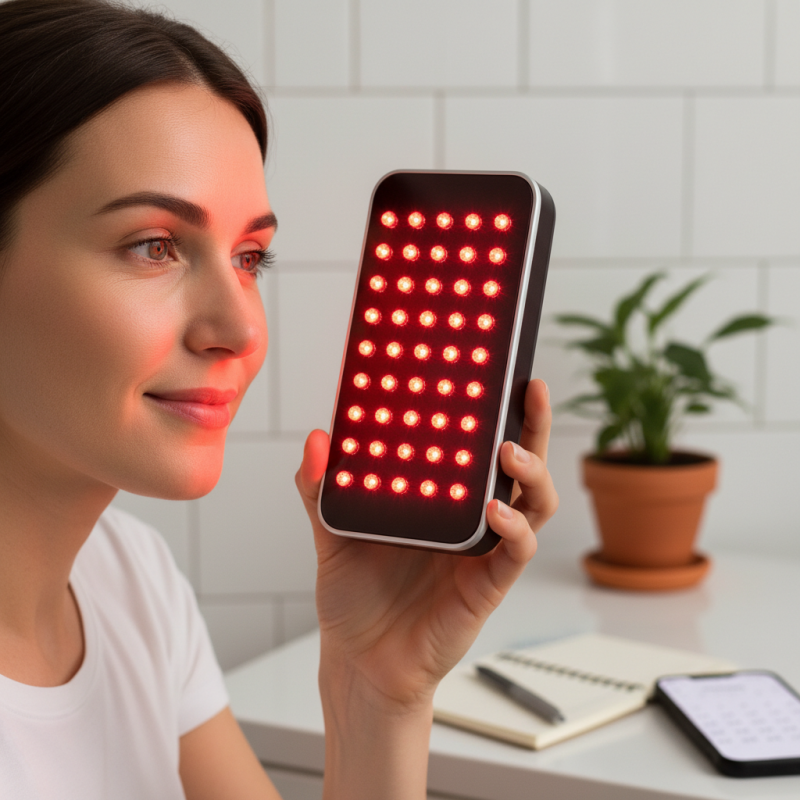
Understanding Red Light Therapy and Its Benefits
Red light therapy is gaining popularity for its numerous health benefits. This therapy utilizes low-level wavelengths of light to stimulate cellular function. Many studies suggest it can improve skin health, reduce inflammation, and enhance muscle recovery. For those exploring red light therapy, understanding its effects is crucial.
When using a red light device, consistency is key. Regular sessions can amplify its benefits, but individuals often struggle to stay on track. Some might find it tedious or time-consuming. Setting a daily reminder can help maintain this routine, ensuring you don't miss out on the positive effects.
Another common challenge is selecting the right intensity and duration for sessions. What works for one person might not suit another. Experimenting within recommended guidelines can yield impressive results, but patience is necessary. Distinguishing between personal preferences and observable benefits requires a trial-and-error approach. While many derive satisfaction from their experiences, it’s essential to reflect on what truly resonates for your unique needs.
Choosing the Right Red Light Device for Your Needs
Choosing the right red light device for your needs is crucial. Different devices offer various wavelengths, intensities, and designs. It's essential to consider what you want to achieve. Are you looking for skin rejuvenation, pain relief, or muscle recovery? Each goal may require a different type of device.
Look for devices that specify their wavelength range. Effective red light devices typically operate between 600 to 650 nm for skin benefits and 800 to 900 nm for deeper tissue therapy. The intensity also matters. Higher intensity may deliver quicker results. However, too much intensity can cause discomfort. Balance is key in this decision-making process.
Consider the size and portability of the device. A larger panel may cover more area but can be cumbersome. Smaller devices are easier to handle but might require more time for treatment. Reflect on your lifestyle. Will you use it at home or on the go? Your choice should cater to your routine, ensuring it's convenient yet effective.
Optimal Settings: Duration and Frequency of Use
When using a red light device, optimal settings play a crucial role in maximizing benefits. Duration and frequency of use can significantly influence the effectiveness of your sessions. For many users, starting with short sessions of 5 to 10 minutes is advisable. Gradually increasing the duration can help you understand your body’s responses. Each person's tolerance and needs will differ, so listen to your body.
Aim for consistent use, but avoid overdoing it. Many experts recommend sessions three to five times a week for the best results. It’s essential to track your progress and adjust accordingly. If you notice any discomfort or skin sensitivity, consider reducing the frequency. Finding a balance is key.
You might not see immediate results, and that's normal. Some people may require weeks to notice improvements. Be patient and mindful of your body's signals. This journey takes time and reflection. Adjust your routine as necessary, always keeping your well-being in mind.
Preparing Your Skin for Maximum Red Light Absorption
Preparing your skin for red light therapy is crucial for optimal results. Before starting your session, cleanse your skin well. Use a gentle cleanser to remove dirt and oils. This allows the red light to penetrate effectively. Exfoliation is also beneficial. It removes dead skin cells, enhancing absorption. However, avoid over-exfoliating, as that can irritate your skin.
After cleansing, consider moisturizing. A light moisturizer can create a hydrated surface. This helps the skin to better absorb the light. While heavy creams may help, they can also block the light. Test different products to see what works best for you.
Be mindful of your skin type. Some people have sensitive skin. They might experience redness after exfoliating. It's essential to listen to your skin. If you feel irritation, scale back your routine. Understand that everyone's reaction to red light therapy can vary. Taking time to find your optimal skincare prep will ultimately enhance your experience.
Safety Tips and Precautions When Using Red Light Devices
When using red light devices, safety is paramount. These devices can be effective for skin rejuvenation, pain relief, and inflammation reduction. However, improper use can lead to adverse effects. A report from the Journal of Clinical and Aesthetic Dermatology emphasizes the importance of following manufacturer guidelines to avoid skin irritation.
Before starting any treatment, ensure your skin is clean and free of products. Direct exposure to red light should last no longer than the recommended time, typically around 10 to 15 minutes per session. Overuse may cause discomfort or, in rare cases, burns. According to the American Academy of Dermatology, users should also wear protective eyewear to prevent potential eye damage.
Some individuals may experience sensitivity. If you notice persistent redness or discomfort, consider scaling back your usage. It's crucial to listen to your body and adjust based on your responses. Consulting a healthcare professional before beginning any light therapy provides a solid foundation for effective and safe use. Remember, knowing your limits can enhance your experience while minimizing risks.
Top 5 Tips for Using Red Light Device Effectively - Safety Tips and Precautions
| Tip | Description | Safety Precaution |
| Choose the Right Device | Ensure the device is FDA-cleared and has the correct wavelength for your needs. | Research and verify device specifications before purchase. |
| Follow Manufacturer Instructions | Read the manual thoroughly to understand how to use the device correctly. | Never exceed the recommended duration and frequency of use. |
| Protect Your Eyes | Use protective eyewear to avoid potential damage from bright lights. | Always wear safety goggles when using the device. |
| Maintain a Safe Distance | Position the device at the recommended distance from your skin for optimal results. | Ensure there is ample space between the device and your body. |
| Consult with a Professional | Speak with a healthcare provider to understand if red light therapy is right for you. | Seek advice especially if you have existing medical conditions. |



 08045479132
 Send Inquiry

 Send Inquiry
 Send SMS