2026 How to Use a Rubber Mixing Mill Effectively?
The rubber industry is vital to global manufacturing. According to recent reports, the demand for rubber products is projected to grow annually by 4.5% until 2026. Efficient mixing is crucial in this process, highlighting the importance of the 9 Rubber Mixing Mill. This machine plays a key role in achieving uniformity and consistency in rubber compounds.
However, not all operations maximize the potential of their mixing mills. Some companies overlook essential maintenance practices, leading to reduced efficiency. Without proper training, operators may misuse the equipment, resulting in waste and inconsistent quality. Addressing these gaps is essential for improving production outcomes.
Understanding the nuances of the 9 Rubber Mixing Mill can help enhance overall performance. Factors like temperature control and mixing time significantly affect the final product's properties. Companies must invest in staff education and equipment upkeep. This will lay the groundwork for a more productive future in rubber manufacturing.
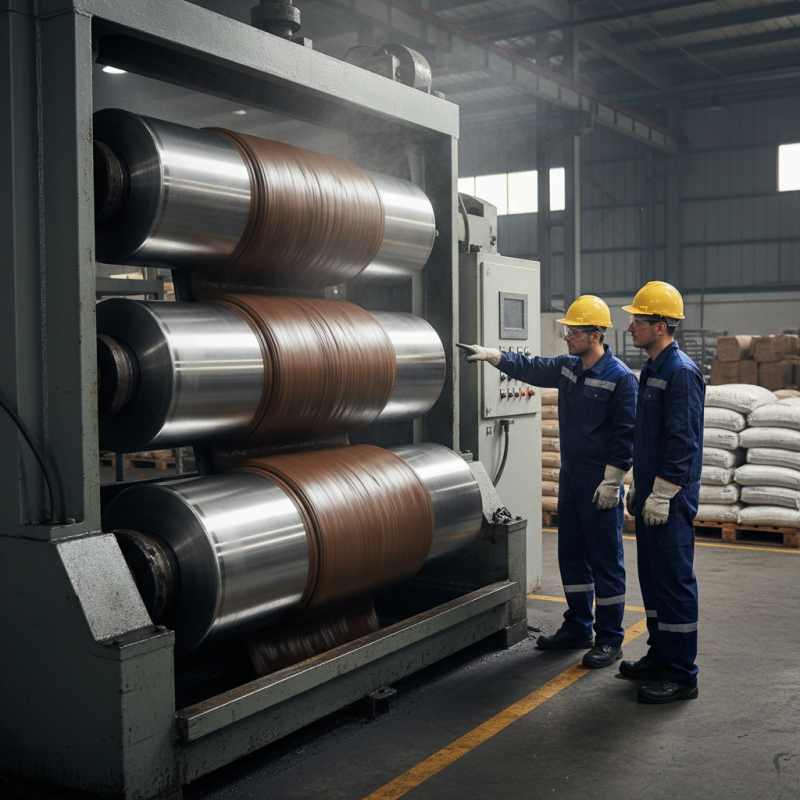
Understanding the Basics of a Rubber Mixing Mill
A rubber mixing mill is a vital tool in rubber processing. Understanding its basics can enhance efficiency. This equipment generally consists of two heavy rollers. They rotate in opposite directions, creating a shearing effect. This effect helps in mixing raw rubber with additives.
Operating a rubber mixing mill requires attention to detail. The temperature of the rollers impacts the mixing quality. Keeping the temperature consistent is essential for optimal results. An inconsistent temperature can lead to poor mixing. Sometimes, users forget to monitor these controls, leading to less than ideal outcomes.
Operators should also pay attention to the feeding rate of materials. Feeding too quickly can cause uneven mixing. Conversely, too slow can result in longer processing times. Observing the process can reveal areas needing improvement. Regular maintenance is necessary to ensure longevity. Neglecting maintenance could lead to unexpected breakdowns and production delays.
Key Components of a Rubber Mixing Mill
The rubber mixing mill plays a crucial role in the rubber industry. Understanding its key components can enhance operational efficiency. The mill consists of two main rolls, a drive mechanism, and a gauge. The rolls come in various sizes depending on the production scale. Typically, the size range is from 6 to 16 inches in diameter. Data shows that mills with larger rolls can process rubber faster, yet the quality control may suffer if not monitored properly.
The drive mechanism is critical for maintaining the right speed and torque. It affects the mixing quality significantly. A report from the Rubber Manufacturers Association indicates that improper settings can lead to a production waste of up to 10%. This clearly highlights the importance of precise calibration. Additionally, the gauge measures the thickness of the rubber sheet, ensuring uniformity. A lack of attention to this detail can result in varied product thickness, which is unacceptable in high-standard manufacturing.
Furthermore, maintenance of these components is often overlooked. Wear and tear are common, but many mill operators often neglect routine checks. A recent industry survey revealed that nearly 25% of mills experience downtime due to maintenance issues. This emphasizes the need for regular inspections to prevent disruptions. Without careful monitoring, the efficiency and output can be compromised, leading to higher operational costs.
Step-by-Step Operation Procedure for Optimal Mixing
Using a rubber mixing mill effectively requires following a precise operation procedure. Begin by preparing your materials. Ensure all components are measured accurately. A study from the Rubber Manufacturers Association indicates that improper measurement leads to a 30% reduction in mixing efficiency. It is crucial to use a scale that is calibrated and well-maintained.
When operating the mill, monitor the temperature closely. An ideal mixing temperature usually ranges between 140°C and 160°C. Exceeding this range may result in unwanted degradation of materials. This degradation can affect both physical properties and processing abilities. Incorporate a thermometer into your setup. Checking the temperature regularly can help maintain optimal conditions.
**Tips**: Regularly clean the mixing chamber to prevent contamination. Residues from previous batches can affect the quality and characteristics of new blends. Moreover, it’s beneficial to establish a routine for checking wear on the mill. Look out for uneven surfaces or grooves, as these can lead to inconsistent mixing.
Mixing speed is another critical factor. Adjust your mill’s speed based on the type of rubber being processed. Some formulations require slow mixing for better integration. It’s important to test different speeds to find the most effective one. Remember, too fast a pace may lead to incomplete mixing. Balancing speed and consistency is vital for producing quality rubber products.
2026 How to Use a Rubber Mixing Mill Effectively? - Step-by-Step Operation Procedure for Optimal Mixing
| Step | Description | Time (minutes) | Safety Precautions |
| 1 | Prepare the rubber materials. | 5 | Wear gloves and goggles. |
| 2 | Set the mill temperature. | 3 | Ensure proper ventilation. |
| 3 | Add rubber to the mill. | 2 | Avoid direct skin contact. |
| 4 | Mix at the recommended speed. | 10 | Monitor equipment closely. |
| 5 | Add additives as required. | 4 | Follow manufacturer guidelines. |
| 6 | Evaluate the mixture consistency. | 3 | Check for any leaks. |
| 7 | Stop the mill and remove the mixture. | 5 | Ensure the machine has stopped completely. |
Maintaining and Troubleshooting Your Rubber Mixing Mill
Maintaining a rubber mixing mill is crucial for efficient operation. Regular maintenance schedules should include checking for wear and tear on rollers and adjusting the gap between them. According to industry reports, neglecting these tasks can lead to friction losses of up to 15% in energy efficiency. This degradation can increase operational costs and reduce product quality.
Tip: Regularly clean the mixing mill. Residue buildup can hinder performance and result in uneven mixing. A clean machine operates smoother and lasts longer.
Troubleshooting common issues can save time and money. For instance, if the mill experiences inconsistent mixing, inspect the feed materials first. Dryness can cause poor dispersion, a common error in many rubber processing plants. Ensuring proper moisture content in raw materials is essential.
Tip: Monitor temperature closely. An incorrect temperature can cause rubber to burn or not mix properly. Keeping a steady temperature is key to effective mixing. Adjusting settings promptly can prevent costly delays.
Safety Precautions When Using a Rubber Mixing Mill
When operating a rubber mixing mill, safety should always be a priority. Wear appropriate personal protective equipment (PPE) like gloves and goggles. Ensure your work area is clear of obstructions. This helps prevent accidents during operation.
Check the machine before use. Look for any loose parts or signs of wear. A worn rubber mixing mill can be a safety hazard. If something looks off, report it immediately. Stay alert and remain focused while operating the machine. Distractions can lead to mistakes.
Tips: Follow the manufacturer's guidelines for safe operation. Ensure all guards are in place before starting. Maintain a clean workspace to reduce risks. Don't rush through tasks. Take your time to perform each step safely. It's better to be cautious than to face potential injuries.



 08045479132
 Send Inquiry

 Send Inquiry
 Send SMS