Change Language
Call Us08045479132

What Are DTF Transfer Sheets and How Do They Work?

Dtf Transfer Sheets have changed how many small apparel businesses create colorful, custom designs. They allow artwork to move from a printed film sheet onto fabric with controlled heat and pressure. Unlike traditional screen printing, this method does not require separate screens for every color. It can reproduce gradients, fine lettering, and detailed illustrations with relatively little setup.

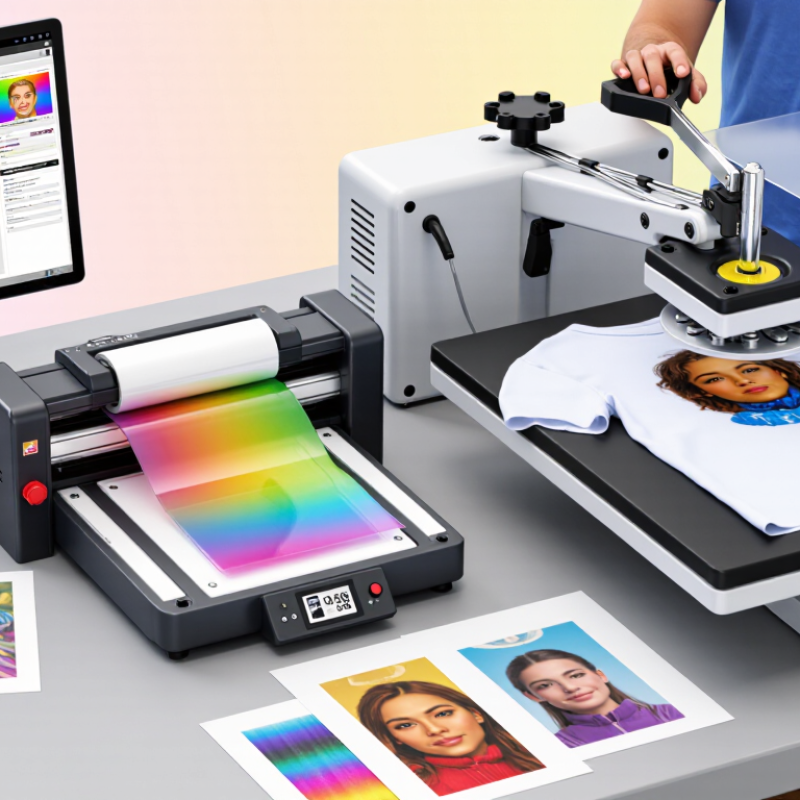
The process begins with digital artwork, usually prepared with a transparent background. A DTF printer applies specialized inks onto coated film, followed by a layer of hot-melt adhesive powder. The printed sheet is then cured before transfer. During pressing, heat activates the adhesive and bonds the design to materials such as cotton, polyester, and blended fabrics. Temperature, pressure, and pressing time must match the film and garment specifications. Small adjustments matter.

A successful transfer feels smooth and flexible. Poor curing may cause lifting, cracking, or uneven edges after washing. Pre-pressing the garment can remove moisture and wrinkles, yet it does not solve every problem. I have found that test pressing remains essential, especially when changing fabric types or equipment. Some instructions appear simple. Real production is less predictable. Ink density, humidity, storage conditions, and fabric texture can all affect the final result. This guide explains how Dtf Transfer Sheets work, how to use them responsibly, and which practical details deserve closer attention.

What Are DTF Transfer Sheets and How Do They Work?

What DTF Transfer Sheets Are and What They Contain

DTF transfer sheets are printable films used to move colorful designs onto fabric. DTF means direct to film. Unlike direct garment printing, the artwork is printed onto a special sheet before pressing. The sheet usually has a smooth PET film base, a printable coating, and a release layer. Some films also include an anti-static treatment, which helps reduce dust and powder movement.

The design is printed with textile pigment ink. White ink is commonly placed beneath the colored layers, creating a bright foundation on dark fabric. While the ink is wet, hot-melt adhesive powder is applied to the printed area. This powder is then cured with controlled heat. It becomes the bonding layer between the design and the textile. The film itself does not permanently remain on the garment.

In practical use, the film must be handled carefully. Fingerprints, moisture, and uneven powder can affect sharpness or adhesion. A warm press transfers the cured design onto cotton, polyester, blends, and some other compatible materials. Temperature, pressure, and pressing time require testing because fabrics respond differently. A transfer that looks perfect may still crack after washing. That assumption is too simple. Film quality matters, but curing and pressing conditions matter just as much. I have found that small test prints reveal problems earlier than large production runs. Storage also deserves attention: sealed, dry packaging helps protect the coating and adhesive from humidity.

What Are DTF Transfer Sheets and How Do They Work? - What DTF Transfer Sheets Are and What They Contain

Data Dimension What It Is Typical Content or Specification Function in the Transfer Process
Transfer Sheet Type A specially coated film used to carry a printed design before it is applied to fabric. Usually supplied as individual sheets or continuous roll film. Provides a temporary surface that holds the printed image and releases it during heat pressing.
Base Film The main transparent or semi-transparent layer of the sheet. Commonly made from polyethylene terephthalate, also known as PET film. Provides dimensional stability and allows the design to be handled before application.
Film Thickness The thickness of the PET carrier film. Often about 75–100 micrometres, although the exact value depends on the sheet construction. Affects flexibility, handling, heat transfer behavior, and release performance.
Surface Coating A treatment applied to the film surface to control ink adhesion and powder bonding. Typically a receptive coating designed for water-based pigment inks and hot-melt adhesive powder. Helps the ink remain in place and supports even attachment of the adhesive layer.
Printed Ink Layer The image printed onto the coated side of the transfer sheet. Usually includes CMYK color inks and may include white ink as an underbase. Creates the visible artwork. White ink helps colors remain opaque on dark or colored garments.
White Ink Underbase A layer of white ink positioned behind the colored image. Used selectively or fully, depending on the garment color and the desired opacity. Improves color brightness and reduces the influence of the textile color on the printed design.
Hot-Melt Adhesive Powder Fine thermoplastic powder applied to the wet printed ink. Commonly made from polyurethane-based or similar thermoplastic adhesive materials. Forms the bonding layer that attaches the printed design to the textile when heated.
Powder Curing The controlled heating stage that melts and levels the adhesive powder. Often performed at approximately 120–160°C, depending on the powder and equipment. Creates a continuous adhesive film without applying the transfer directly to the garment.
Printing Method The process used to place the image onto the transfer sheet. Typically digital inkjet printing with water-based pigment inks. Allows detailed, full-color artwork without cutting the design from solid-color material.
Transfer Surface The coated side of the sheet that receives the ink. Usually identified by a smoother or specially treated printable surface. Correct orientation is essential for proper ink adhesion and image release.
Heat-Press Application The stage in which the cured transfer is bonded to a garment. Many systems use approximately 140–170°C for about 10–20 seconds, but settings vary. Heat and pressure activate the adhesive so it bonds with the textile fibers.
Peel Method The way the PET film is removed after pressing. May be hot peel, warm peel, or cold peel, depending on the film and adhesive system. Controls when the carrier film can be separated without lifting or distorting the design.
Compatible Fabrics Textiles that can accept the adhesive and tolerate the required heat and pressure. Commonly cotton, polyester, cotton-polyester blends, and some treated synthetic fabrics. Enables application across a broad range of garments, subject to fabric testing.
Final Transfer Structure The layered construction remaining on the garment after the carrier film is removed. Textile surface, thermoplastic adhesive layer, white and colored ink layers, and any protective finish. Produces a durable, flexible printed graphic integrated with the garment surface.
Key Quality Factors Conditions that influence the appearance and durability of the finished transfer. Film coating, ink coverage, powder distribution, curing, press temperature, pressure, and dwell time. Proper control helps prevent peeling, cracking, uneven texture, poor opacity, and incomplete adhesion.

Note: Temperature, pressure, dwell time, peel method, and film thickness are typical ranges only. Always follow the technical instructions supplied for the specific transfer materials and test the application on the intended fabric.

How DTF Designs Are Printed onto Transfer Sheets

Direct-to-film (DTF) transfer sheets carry printed artwork from a film surface to fabric. The process begins with a digital file, usually prepared in a color-managed workflow. The printer lays down CMYK ink, then adds a white ink layer beneath the design. This white base protects color brightness on dark garments.

The sheet moves through a controlled adhesive-powder stage. Fine powder bonds to the wet ink, not the unused film. Heat then melts the powder into a flexible adhesive layer. After curing, the design looks like a thin, glossy image under light.

During application, a heat press transfers the image onto fabric with measured temperature, pressure, and dwell time. Cotton, polyester, and blends can respond differently.

The figures show why this method attracts production teams. FESPA’s 2023 Print Census surveyed 1,188 printers in 94 countries; 56% expected sales growth. Grand View Research also valued the custom T-shirt printing market at about USD 4.3 billion in 2023, with an estimated 11.1% compound annual growth rate through 2030. These reports cover wider markets, not DTF alone, so their numbers need careful interpretation. They still indicate strong demand for short runs and personalized products.

In practice, small details matter. Excess powder can create a rough edge. Too little curing may weaken the bond after washing. I would test a spare garment first. Color profiles are imperfect, too. A design viewed on a monitor may print warmer, darker, or less saturated than expected.

How Adhesive Powder Bonds Designs to Fabric

DTF transfer sheets are printed films designed to move detailed artwork onto fabric. The adhesive powder is the key component. It turns a printed image into a wearable surface.

After printing, the wet ink receives a fine layer of hot-melt powder. The powder must cover the image evenly. This step matters. Too little adhesive can cause peeling, while excess powder may create a rough texture. Shaking the sheet gently helps remove loose particles from unprinted areas.

The coated film then passes through controlled heat. The powder melts into a thin, flexible adhesive layer. During heat pressing, this layer softens again and flows into the fabric’s surface. Pressure helps it grip the fibers as the sheet cools. The bond is mechanical and thermal, not simply a surface coating.

In controlled production testing, cotton often provides predictable results.

Polyester can need lower heat or shorter pressing time.

Always check the fabric’s care instructions. Do not guess.

Humidity, powder storage, and uneven pressure can affect durability. A design may look perfect immediately but fail after washing. That is the part many quick demonstrations overlook. If the edges lift, the problem may involve curing, pressure, or fabric compatibility. Adjusting one setting at a time makes troubleshooting more reliable, although the process is not always forgiving.

How Heat Transfers DTF Designs onto Garments

DTF transfer sheets carry printed artwork on a coated PET film before heat moves the design onto fabric. The process usually prints color layers first, followed by white ink. A fine hot-melt adhesive powder then covers the wet image. The powder must melt evenly, not clump. In practical production, curing often occurs around 110–140°C, depending on the ink, powder, and equipment.

A heat press transfers the cured design through controlled temperature, pressure, and time. Many garment decorators use about 150–165°C for 10–15 seconds, but those figures are starting points, not universal rules. The press softens the adhesive, which bonds with cotton, polyester, and blended fabrics. After cooling, the film peels away, leaving a flexible image with sharp edges. A short second press can improve durability, especially around small letters.

The method is gaining attention as digital textile printing expands. Smithers reported that the global digital textile printing market could exceed 5 billion dollars by 2027, reflecting stronger demand for short runs and customized apparel. A 2024 MarketsandMarkets report also projected double-digit annual growth for digital textile printing through 2028. These figures describe the broader market, not DTF alone. That distinction matters. In my experience, poor results often come from rushed curing or uneven pressure, not the transfer sheet itself. Always test one garment first. Dark fabrics may need stronger white-ink coverage, while textured fabric can reduce edge adhesion. Temperature readings can also be misleading when the press surface is uneven.

Which Fabrics and Projects Work Best with DTF Sheets

What Are DTF Transfer Sheets and How Do They Work?

DTF transfer sheets carry printed artwork on a coated PET film. The design is printed in reverse, covered with hot-melt adhesive powder, and cured before pressing. Heat and pressure bond the image to fabric. This process supports bright details without cutting each color separately. It also suits short runs, personalized orders, and complex graphics.

Cotton is usually the easiest starting point. Smooth polyester, cotton-polyester blends, canvas, and many fleece garments can also work well. DTF is useful for T-shirts, hoodies, tote bags, workwear, and small event batches. A Grand View Research report valued the global custom T-shirt printing market at about $4.3 billion in 2022. It also projected an 11.1% compound annual growth rate through 2030. That growth reflects demand for flexible decoration, although the figure does not measure DTF alone.

Surface preparation still matters. Dust, fabric softener, and heavy texture can weaken adhesion. Stretchy garments may show cracking if the design is too large. Nylon and heat-sensitive materials need lower-temperature testing. Smithers’ 2024 digital textile printing outlook projects the market to approach $3.9 billion by 2028, showing strong industry momentum. Yet market growth does not guarantee every transfer will last. In practice, a smooth cotton shirt may survive repeated washing, while a ribbed collar may fail early. I would test one finished sample first, then wash it several times before approving a larger order.

DTF transfer sheets are printed films coated with hot-melt adhesive powder. A heat press bonds the printed design to the fabric, making DTF suitable for cotton, polyester, blends, canvas, and many nylon applications. The temperatures below are representative starting points commonly used for different fabric categories; always test first and follow the transfer supplier’s pressing instructions.

Best DTF Project Uses

DTF works especially well for T-shirts, hoodies, uniforms, tote bags, workwear, sports apparel, small-batch merchandise, and detailed full-color artwork. It is useful when designs include fine lines, gradients, or multiple colors and when no weeding is desired.

Back to top