Why Are Drink Cans the Best Choice for Beverages?
In recent years, Drink Cans have become increasingly popular for packaging beverages. Many consumers prefer them over plastic or glass. But why are drink cans the best choice? They are lightweight, easy to transport, and convenient to store. Additionally, drink cans offer effective insulation. This helps keep beverages cold longer while reducing waste.
However, we shouldn't overlook the environmental concerns associated with can production. The mining of materials and energy consumption often raise questions. Yet, drink cans are infinitely recyclable. They can return to shelves within weeks, making them a more sustainable option than many alternatives.
Moreover, the durability of drink cans ensures that beverages remain safe during transit. There are fewer concerns about breakage compared to glass. Still, one must consider the aluminum’s impact during production. Balancing convenience and sustainability remains a challenge. Ultimately, drink cans continue to stand out as an excellent choice for beverages, though reflection on their lifecycle is essential.
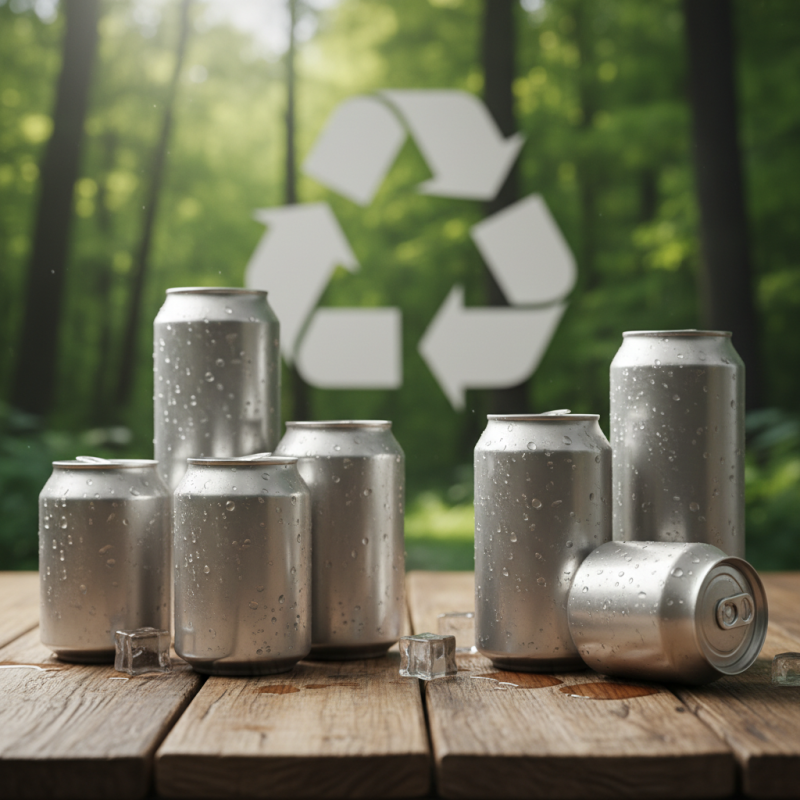
Benefits of Aluminum Cans in Beverage Packaging
Aluminum cans are rapidly becoming the preferred choice for beverage packaging. One significant benefit is their recyclability. According to the Aluminum Association, recycling aluminum cans saves 95% of the energy required to produce new ones. This is a substantial factor in reducing our carbon footprint. Furthermore, recycled aluminum can be back on the shelf in just 60 days. This quick turnaround is a win for sustainability.
Another advantage of aluminum cans is their ability to preserve beverage quality. They provide an airtight seal that protects against light and oxygen. This is crucial for maintaining taste and freshness. Research shows that products in aluminum cans maintain their flavor 50% longer compared to those in glass or plastic. This can have a direct impact on consumer satisfaction.
However, despite these benefits, not all recycling systems are perfect. Many cans still end up in landfills due to improper disposal. Education on recycling practices is essential. Additionally, while aluminum is recyclable, the production process can be energy-intensive. It’s vital to balance usage with environmental responsibility. In this evolving industry, continuous efforts are needed to improve both recycling rates and production methods for a greener future.
Sustainability: Recycling Rates of Aluminum vs. Other Materials
When it comes to beverages, drink cans stand out for their sustainability. Aluminum cans boast impressive recycling rates. They can be recycled multiple times without losing quality. In fact, over 75% of all aluminum produced is still in use today. This is significantly higher than glass or plastic.
In many regions, recycling aluminum is easy. Cans are picked up curbside and taken to recycling facilities. Yet, despite these advantages, many cans still end up in landfills. This waste is a reminder of our responsibility toward the environment.
Some consumers may not realize the value of recycling. They might throw cans away without a second thought. Educating people about proper recycling can make a difference. Every can that is recycled saves energy and resources. It’s a small step, but it matters.
Impact of Can Design on Beverage Shelf Life and Freshness
Cans are a popular choice for beverages, but their design significantly impacts shelf life and freshness. The materials used in can production help prevent light and oxygen exposure. This barrier keeps beverages intact, maintaining flavor and carbonation longer. The sealed environment minimizes spoilage from bacteria and other contaminants. A well-designed can can extend freshness by months.
Tips: Look for cans that have been stored in a cool, dry place. Direct sunlight can affect both taste and safety. Pay attention to the expiration dates on the can. Drinking from damaged or rusted cans may not be safe.
The shape of a can plays a role too. Taller cans may allow for more beverage, but they also change how air interacts with the liquid. Some designs may lead to faster oxidation. Many don't realize these subtle differences until altered flavors present themselves. Consider experimenting with different can shapes and sizes to find your preferred experience.
Consumer Preferences: Market Trends in Canned Beverage Sales
Consumer preferences are rapidly shifting towards canned beverages. Recent data indicates that canned drink sales rose by 22% in 2022 compared to the previous year. Many consumers favor the convenient portability of cans. This trend reflects a growing demand for on-the-go options. Moreover, cans are lightweight and recyclable, appealing to environmentally conscious buyers.
Interestingly, flavored alcoholic beverages lead the market in canned sales, showing a 30% increase. This appeal caters to younger demographics seeking novelty. However, traditional soft drinks also hold their ground, with a steady 15% increase. Consumers are drawn to the aesthetic and modern designs of cans. Yet, there are lingering concerns about the environmental impact of aluminum production.
Some consumers hesitate due to perceived health risks. Aluminum leaching into drinks is a topic of debate. Although research shows minimal risk, it's a concern for some health-conscious individuals. There is a need for greater consumer education. By addressing these worries, brands could further boost their market share in the canned beverage sector.
Cost Efficiency: Production and Transportation of Canned Drinks
Canned drinks are a popular choice for many reasons. One major benefit is their cost efficiency. Producing drink cans often costs less compared to glass bottles or plastic containers. This lower production cost can stem from the materials used and the manufacturing process. Factories can produce cans quickly. This efficiency translates into savings for consumers.
Transportation is another area where cans shine. They are lightweight and stackable, making them easy to ship. Trucks can hold more cans than bottles, reducing transportation costs. This also means fewer trucks on the road, which helps the environment. However, some might question the long-term sustainability of aluminum production. It requires energy and resources.
On the flip side, empty cans can be recycled efficiently. This reduces waste and promotes sustainability. Still, not all cans return to recycling facilities. Some get tossed away, leading to environmental concerns. As consumers, we must reflect on our recycling habits. The popularity of canned drinks comes with responsibilities that we cannot ignore.



 08045479132
 Send Inquiry

 Send Inquiry
 Send SMS