What is a Digital Cutting Machine and How Does It Work?
In today's rapidly advancing technology landscape, a Digital Cutting Machine is revolutionizing creative industries. This innovative tool empowers users to transform digital designs into physical products with precision. Whether in crafting, manufacturing, or fashion, the versatility of digital cutting machines enhances possibilities.
These machines utilize advanced software and cutting technology to interpret digital files. Users can create intricate patterns or shapes across various materials. This process is efficient, allowing for faster turnaround times in production. However, the learning curve can be steep for beginners. Understanding the software and settings requires patience and practice.
Moreover, not all digital cutting machines are created equal. Some models are better suited for specific materials or projects. It's crucial to choose the right machine based on individual needs. Users should also consider maintenance and support. As with any technology, occasional hiccups occur. A reliable setup ensures optimal performance. Ultimately, a digital cutting machine represents a significant leap forward in design and manufacturing, but it demands respect for its capabilities and limitations.
What is a Digital Cutting Machine?
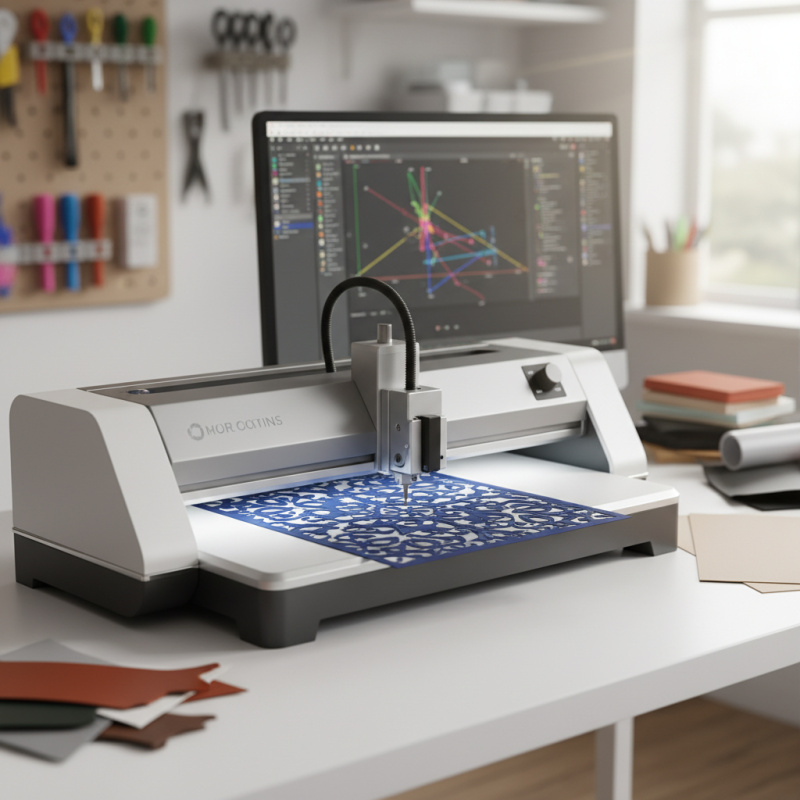
A digital cutting machine is a versatile tool used in various industries, from crafting to manufacturing. It operates using advanced technology to cut materials with precision. The machine typically utilizes a blade that moves swiftly based on digital files created by users. This allows for intricate designs and exact measurements, enhancing the quality of final products.
Many people might find the initial setup challenging. Understanding the software is essential for effective use. Additionally, materials used can vary widely, including paper, vinyl, or fabric. Each material requires specific adjustments. Users must experiment to find the right settings, which can lead to unexpected results. It's a learning process that can sometimes be frustrating.
However, the benefits of mastering a digital cutting machine are significant. Creativity flourishes when the user learns to manipulate different settings and materials. Projects evolve with practice, allowing for customized creations. The journey may involve missteps, but these experiences contribute to the overall skill development. Embracing the learning curve can lead to beautiful, unique outcomes over time.
Key Components of a Digital Cutting Machine
Digital cutting machines are revolutionizing various industries by enhancing precision and efficiency. Understanding their key components is essential for maximizing their potential. One of the primary elements is the cutting head, which utilizes different technologies, such as laser or blade cutting. A report from Smithers Pira highlights that the demand for efficient cutting technology is growing, with a projected annual increase of 5.3% in the next five years.
The machine's software plays a pivotal role too. It enables designers to create intricate patterns and controls the cutting process with accuracy. A study by MarketsandMarkets estimates that the digital cutting machine market will reach $5.2 billion by 2024, driven largely by advancements in software capabilities. Additionally, the material loading system must be efficient. Delays at this stage can significantly slow down production, reflecting the need for continuous improvement in design and functionality.
Lastly, the control system integrates various components, ensuring seamless operation. Despite these advancements, challenges remain in user training and maintenance. Users often face a learning curve with complex software. Addressing these gaps can enhance productivity and effectiveness, revealing that even in advanced technology, there are areas for reflection and growth.
Digital Cutting Machine Usage Statistics
The Working Mechanism of Digital Cutting Machines
Digital cutting machines have revolutionized various industries by providing precise and efficient cutting solutions. They operate using advanced technology that combines software and hardware components. The core mechanism involves a design software that creates digital templates. These templates guide the cutting machine in executing accurate cuts on different materials.
The machine typically uses a blade or laser for the cutting process. The blade moves along the X and Y axes, while the material is held in place on a cutting bed. This coordination allows for intricate designs to be realized with minimal error. The software can adjust the speed and pressure based on the thickness and type of material. This adaptability is crucial when working with materials like vinyl, paper, or even fabric.
While digital cutting machines are efficient, they require regular calibration and maintenance. Inconsistent outputs can occur due to worn blades or software glitches. Users must be diligent in understanding their machine's quirks. This reflection helps in achieving better results over time. Each machine can have a learning curve, making mastery a journey, not an instant achievement. Such ongoing experiences underscore the balance between technology's power and the operator's skill.
Applications of Digital Cutting Machines in Various Industries
Digital cutting machines have transformed various industries through precision and efficiency. In the fashion sector, they cut fabrics with exactness. This reduces waste and ensures a perfect fit for garments. Designers can quickly prototype new styles, making creativity more accessible. In packaging, these machines create intricate die cuts for custom boxes and labels. The speed of production enhances market responsiveness, a vital factor in today's fast-paced economy.
In the sign-making industry, digital cutting machines excel. They produce stunning graphics and detailed signage. This allows businesses to differentiate themselves visually. Nevertheless, operators must ensure that machine settings are correct. Failure to do so can lead to material waste or damaged products. The woodworking industry also benefits significantly. Intricate designs are easily carved out of various materials, allowing for unique furniture and decor. However, over-reliance on technology can stifle traditional craftsmanship, leading to a cautious approach among artisans.
Benefits of Using Digital Cutting Machines in Production Processes
Digital cutting machines have transformed production processes across various industries. These advanced devices enhance precision and efficiency by employing cutting-edge technology. They are designed to handle materials like paper, fabric, plastic, and metal. This versatility makes them invaluable in sectors such as fashion, signage, and packaging.
One significant benefit of using digital cutting machines is their ability to produce intricate designs with minimal waste. With precise cutting capabilities, companies can maximize material usage and reduce costs. Furthermore, these machines can operate continuously, increasing production speed. This uninterrupted workflow allows businesses to meet tight deadlines more effectively. However, initial investment costs can be daunting, and mastering the technology may require training.
Additionally, digital cutting machines offer customization opportunities. This flexibility enables businesses to respond quickly to market trends. Customers appreciate tailored solutions, which can lead to higher satisfaction. Yet, it's essential to consider the potential for over-engineering designs. Prioritizing simplicity in some cases can enhance user experience while maintaining quality production.



 08045479132
 Send Inquiry

 Send Inquiry
 Send SMS