| Definition | A commercial power plant is a facility that generates electricity for sale or delivery to customers, businesses, public services, or an electricity network. | It is generally distinguished by its electricity-supply purpose, rather than by one specific fuel or technology. Exact legal definitions vary by jurisdiction. |
| Primary function | The plant converts energy from a source into electrical energy. | Generated electricity may be delivered to a grid, supplied under contract to customers, or used on-site with any surplus exported where permitted. |
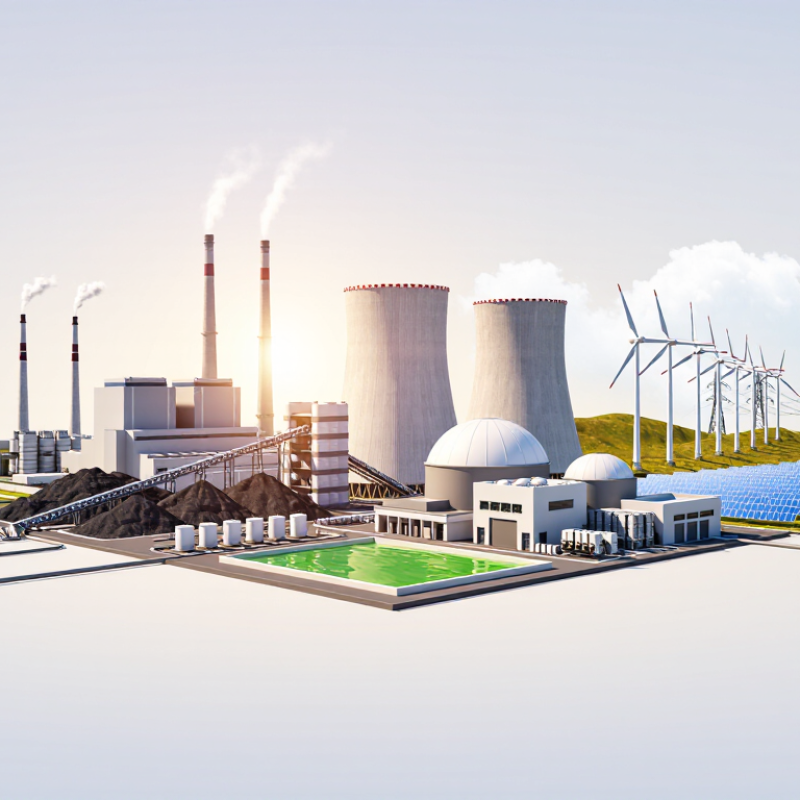
| Energy sources | Sources can include natural gas, coal, nuclear fuel, moving water, wind, sunlight, geothermal heat, and biomass. | The source determines the plant’s equipment and operating process. For example, solar photovoltaic panels convert sunlight directly into electricity, while many thermal plants use heat to produce steam. |
| Main conversion equipment | Equipment depends on the technology and may include turbines, generators, photovoltaic modules, inverters, boilers, or water turbines. | A turbine or engine can turn a generator. In a photovoltaic plant, inverters convert the panels’ direct-current output into grid-compatible alternating current. |
| Typical electricity flow | Electricity usually passes from generating equipment through electrical systems before reaching customers or the grid. | Transformers commonly increase voltage for transmission or distribution. Switchgear and protection systems help control power flow and isolate faults. |
| Grid connection | Grid-connected plants must meet applicable technical requirements for safe and reliable operation. | Connection equipment, controls, and protective devices help synchronize or otherwise coordinate the plant’s output with the electrical system. |
| Output and capacity | Capacity describes the maximum electrical power a plant is designed to produce under specified conditions; it is commonly measured in megawatts (MW). | Actual output can be lower than capacity because of maintenance, weather, fuel availability, operating limits, or electricity-system needs. Energy produced over time is measured in megawatt-hours (MWh). |
| Operations and control | Operators monitor generation equipment, electrical output, safety systems, and operating conditions. | Control systems can adjust output when the technology allows. Dispatchable plants can generally be scheduled or adjusted within their operating limits; wind and solar output depends on available natural resources. |
| Cooling and heat management | Some plants need cooling systems to remove waste heat, while others have little or no water-based cooling requirement. | Thermal plants may use cooling towers, water systems, or air cooling. The design affects water use, efficiency, and environmental considerations. |
| Environmental considerations | Environmental effects depend on the plant’s energy source, technology, location, and operating practices. | Assessment may consider air emissions, water use, land use, waste, noise, habitat, and lifecycle impacts. Renewable generation generally avoids fuel combustion during operation, but still has site and equipment-related impacts. |
| Reliability and maintenance | Reliable service depends on equipment condition, safety procedures, resource or fuel availability, and electrical-system coordination. | Planned inspections and maintenance help reduce failures. Energy storage or other generation resources may help balance supply when output varies. |
| What defines it | The defining feature is its role in producing electricity for commercial supply, not a particular plant size, fuel, or ownership structure. | A utility-scale facility and an on-site commercial generator can both serve commercial electricity needs, though their grid connections, scale, and operating arrangements may differ. |



 08045479132

 Send Inquiry


 Send Inquiry
 Send SMS

