Why Choose a CNC Turning Center Machine for Your Business?
In today’s competitive manufacturing landscape, choosing the right equipment is crucial. A Cnc Turning Center Machine stands out for its precision and versatility. According to the 2023 Global CNC Machine Tool Market Report, CNC machines are projected to witness a growth of over 5% annually. This underscores their importance in modern workshops.
Cnc Turning Center Machines allow for complex shapes and geometries. They provide consistency that manual machines struggle to achieve. Research shows that businesses utilizing CNC technology can boost production efficiency by 30% or more. This is imperative for companies aiming to innovate while managing costs.
However, adopting a CNC Turning Center Machine requires careful consideration. Initial investments can be significant. Proper training and maintenance are essential to fully utilize these advanced machines. As the industry evolves, companies must reflect on their operational needs and ensure that their technology choices align with long-term goals.
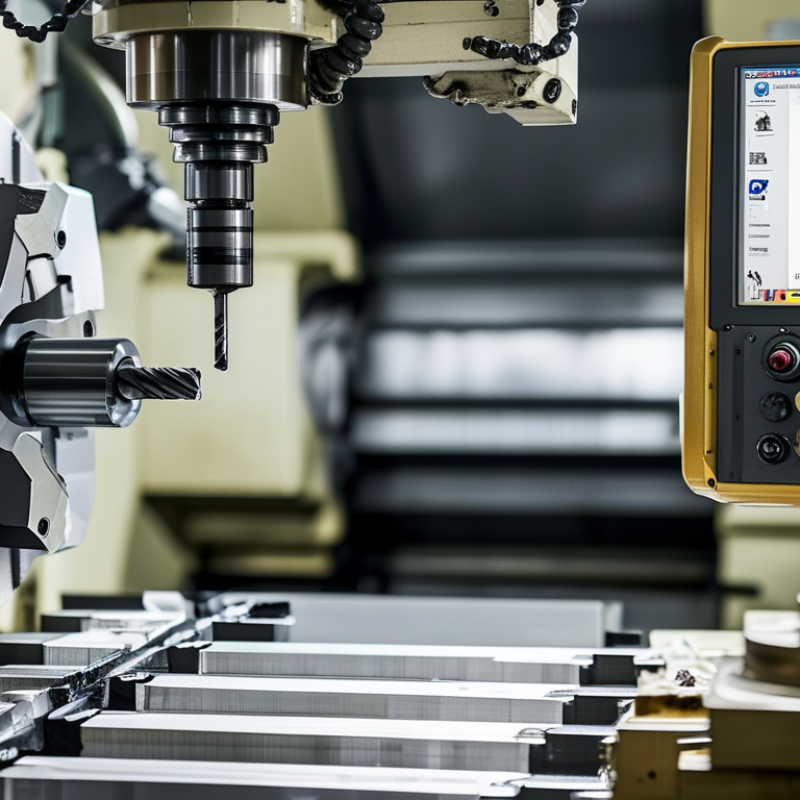
Benefits of Using CNC Turning Center Machines in Manufacturing
CNC turning center machines have transformed modern manufacturing. Their versatility allows businesses to produce complex parts with precision. These machines can handle various materials, from metals to plastics. This flexibility is crucial for industries requiring diverse components.
One significant benefit of CNC turning centers is their efficiency. They reduce cycle times dramatically, enabling quicker turnaround on orders. However, they do require skilled operators to maximize productivity. Training is essential, but it takes time and resources. Some companies may struggle with this transition.
Additionally, these machines offer consistency in production. This means fewer defects and less waste. Yet, the initial investment can be daunting for smaller businesses. Weighing the long-term gains against upfront costs is necessary. A balanced view will help in making informed decisions, ensuring better resource allocation in the future.
Why Choose a CNC Turning Center Machine for Your Business? - Benefits of Using CNC Turning Center Machines in Manufacturing
| Feature | Description | Benefits |
| Precision | CNC turning centers allow for highly accurate machining of parts. | Reduces waste and increases overall product quality. |
| Automation | CNC machines can operate with minimal human intervention. | Enhances productivity and allows labor reallocations. |
| Flexibility | Easily switch between different parts and designs. | Facilitates rapid prototyping and small-batch production. |
| Speed | High-speed machining capabilities shorten production cycles. | Increases throughput and meets tight deadlines. |
| Cost-Effectiveness | Reduced labor and material costs over time. | Lower overall production expenses leading to higher profit margins. |
Key Features of CNC Turning Centers That Enhance Productivity
CNC turning centers stand out for their efficiency and precision in machining. These machines significantly enhance productivity through automation. With reduced manual intervention, businesses can streamline operations. The result? A smoother workflow and shorter production times.
One key feature is the ability to perform multiple operations in one setup. This reduces the need for tool changes and re-sequencing of tasks. Efficiency might improve, but it can also pose a challenge in ensuring proper setup for various tasks. Calibration becomes crucial to avoid costly errors.
Another aspect is real-time monitoring capabilities. These systems allow operators to track performance and make adjustments on the fly. However, relying too heavily on technology might create gaps in manual skills. Maintaining a balance between automation and human oversight is vital for long-term success.
Cost Efficiency: Comparing Traditional Machining vs. CNC Turning
Cost efficiency is a significant consideration when comparing traditional machining with CNC turning. Traditional methods often involve manual labor and time-consuming processes. These can lead to higher operational costs. Labor wages, tool wear, and longer lead times can quickly add up. In contrast, CNC turning centers automate the machining process. This automation reduces labor costs and increases speed.
CNC turning machines provide precision that may be hard to achieve with traditional methods. They can produce identical parts with minimal error. This consistency reduces waste and material costs. However, the initial investment for CNC technology can be high. Businesses must weigh these costs against long-term savings and productivity gains.
Moreover, CNC machines require skilled operators and ongoing maintenance. If a business lacks expertise, it may face challenges in utilizing the full potential of CNC technology. Ultimately, businesses need to assess their specific needs and capacities before making a decision. While CNC turning offers clear advantages, it is not a one-size-fits-all solution.
Precision and Accuracy in CNC Turning: Industry Standards Explained
CNC turning centers have become essential in modern manufacturing. These machines excel in producing parts with high precision and accuracy, meeting industry standards effectively. The requirements for precise specifications have grown. A minor deviation can result in significant issues down the road. CNC turning centers address these challenges head-on, ensuring tightly controlled tolerances.
The ability to produce complex geometries is another advantage. With advanced programming, these machines can create intricate designs quickly. This capability enhances productivity and ensures reliability. However, adapting to such technology can pose challenges. Operators may need extensive training to fully understand the CNC system and its maintenance needs. Neglecting this aspect may lead to errors and downtime, impacting production schedules.
Moreover, industry standards dictate a consistent quality level. Meeting these standards is crucial for customer satisfaction and business reputation. Regular calibration and quality checks are necessary, yet they can be time-consuming. Companies must weigh the cost of precision against potential losses from subpar parts. Investing in a CNC turning center is a balancing act between immediate benefits and long-term commitments to quality and expertise.
Precision and Accuracy in CNC Turning
Market Trends: Increasing Adoption of CNC Turning in Various Sectors
The CNC turning industry is experiencing significant growth. Many sectors are increasingly adopting these machines for their precision and efficiency. From automotive to aerospace, businesses are recognizing the advantages of CNC technology. These machines can produce complex parts with minimal human intervention. This shift is driven by the need for higher productivity and reduced lead times.
As companies embrace automation, the demand for skilled operators rises. While CNC turning centers improve consistency, managing these machines can be challenging. Operators must understand programming and maintenance. A lack of proper training may lead to errors and slow production rates. Investing in operator education can mitigate these risks.
The market landscape is evolving rapidly. Smaller manufacturers are now leveraging CNC turning technology, previously reserved for large factories. This democratization enhances competition and innovation. However, some businesses may struggle to integrate this technology effectively. Assessing operational needs and existing workflows is essential for success in adopting CNC turning solutions. The journey requires careful planning and a willingness to adapt.



 08045479132
 Send Inquiry

 Send Inquiry
 Send SMS