| Identify the material | Soil or rock type, compaction, moisture, abrasiveness, and the presence of roots or fractured material. | Choose a tooth profile suited to the ground. A narrower, more penetrating profile can help enter compacted material; a more robust profile may be appropriate for abrasive or rocky conditions. | Base the choice on the actual working conditions, not material name alone. Ground conditions can vary across a site. |
| Confirm excavator compatibility | Machine model, ripper attachment, adapter, tooth-retention system, and approved operating limits. | Use a tooth designed to fit the installed adapter and retention system. Follow the machine and attachment manuals for approved components and operating limits. | Confirm the tooth seats correctly on the adapter and that the correct pin, lock, or retainer is available. |
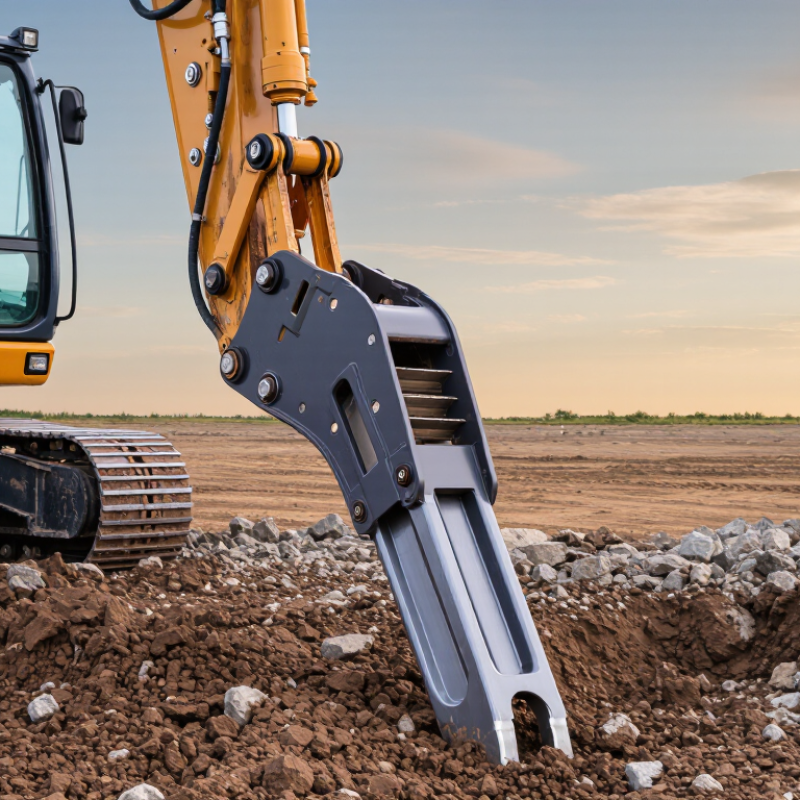
| Select the tooth shape | Required penetration, expected wear, and whether the work involves ripping, loosening, or breaking material. | A pointed profile generally concentrates force at a smaller contact area. A broader or heavier profile may offer greater material around the working end, but can require more breakout force. | Consider both penetration and tooth durability. A profile that is too blunt for the task may reduce penetration; an unsuitable narrow profile may wear quickly in highly abrasive ground. |
| Inspect the new tooth | Cracks, chips, deformation, excessive casting or forging defects, and damage to the mounting area. | Clean the tooth and inspect it under good lighting before installation. Do not install a visibly cracked or deformed component. | Check that the mounting surfaces and retention feature are undamaged and compatible with the adapter. |
| Inspect the adapter and retainer | Adapter wear, looseness, cracks, damaged pin holes, and condition of the pin, lock, or other retainer. | Remove packed material and inspect the connection. Replace worn or damaged retaining parts as directed by the attachment manufacturer. | A new tooth cannot compensate for a worn, cracked, or loose adapter. Resolve connection problems before returning the attachment to service. |
| Install the tooth | Machine stability, attachment position, cleanliness of the joint, and correct orientation of the tooth. | Park on stable ground, lower the attachment, shut down and secure the machine, and relieve stored hydraulic pressure as specified in the manual. Fit the tooth fully onto the adapter and install its retainer using the specified procedure. | Keep hands clear of pinch points. Use suitable tools and lifting methods; never work beneath an unsupported attachment. |
| Verify installation | Tooth seating, retainer engagement, and unwanted movement at the connection. | After installation, visually confirm the tooth is seated and the retention system is engaged. Perform any prescribed post-installation check before digging. | Do not operate with a missing, incorrectly fitted, or unsecured retainer. Recheck if the tooth moves or makes unusual noise. |
| Inspect during service | Tooth wear, cracks, looseness, retainer condition, and material packed around the adapter. | Inspect before use and at intervals appropriate to the task and site conditions. Abrasive or rocky work may require more frequent checks. | Stop and investigate if the tooth is loose, damaged, or wearing unevenly. Follow the manufacturer’s wear indicators and replacement criteria. |
| Replace when necessary | Remaining profile, wear indicators, penetration performance, and condition of the tooth-adapter interface. | Replace the tooth when it reaches the specified wear limit, is cracked or deformed, or no longer retains securely. No single wear dimension applies to every tooth design. | Use the applicable manual or component specifications for the limit; do not rely on a universal measurement. |
| Maintain between shifts | Adhered soil, corrosion, damage, and whether the attachment will be stored for an extended period. | Remove packed material, report defects, and store the attachment in a stable position. Keep replacement retainers and parts clean and protected. | Record repeated loosening or unusual wear so the adapter, work method, and tooth selection can be reviewed. |



 08045479132

 Send Inquiry


 Send Inquiry
 Send SMS

