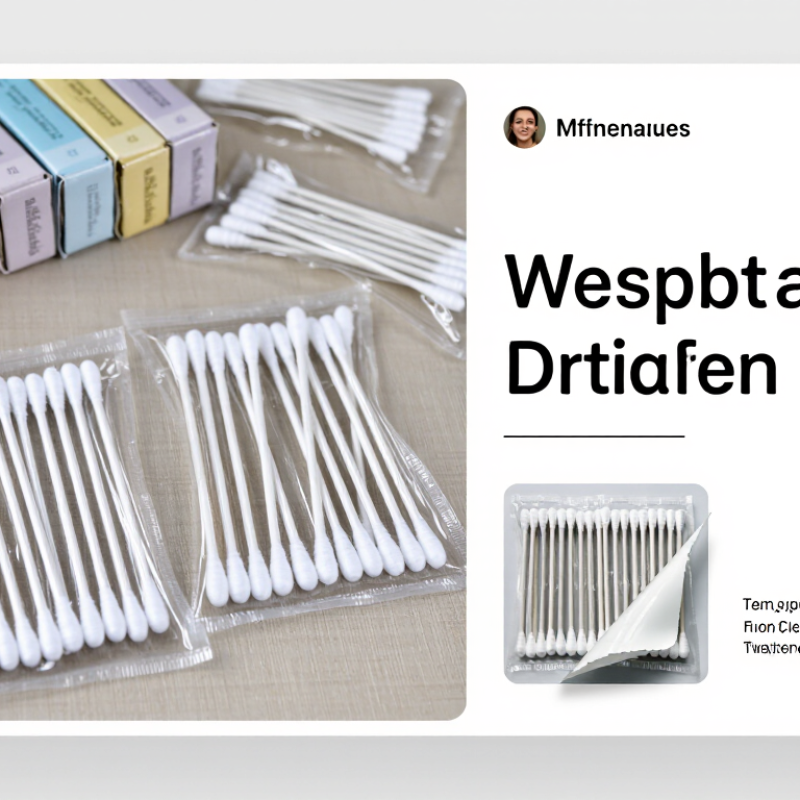
| Individual Seal Integrity | Inspect every pouch or wrapper for complete seals, punctures, tears, open edges, and delamination. | Seals are continuous, closed, dry, and free from visible damage. | Loose seams, pinholes, moisture, wrinkles across the seal, or any opened package. | Pass only when the package barrier is visibly intact. |
| Sterile or Non-Sterile Status | Check whether the product is explicitly labeled “sterile” or “non-sterile.” Do not assume that individual packaging means sterility. | The status is clearly stated and matches the intended application. | No sterility statement, unclear wording, or sterile claims without supporting information. | Treat unclear products as non-sterile. |
| Sterilization Information | For sterile products, look for the sterilization method, such as ethylene oxide or radiation, when required by the applicable market or product specification. | A defined sterilization method is provided and supported by batch documentation or a certificate of sterility. | “Sterile” appears without a method, lot traceability, or quality documentation. | Request objective evidence for sterile-use applications. |
| Material Identification | Review the stated swab head material, stick material, coatings, and any additives or processing chemicals. | Materials are clearly declared and suitable for the intended contact or cleaning purpose. | Undeclared fibers, strong chemical odor, visible discoloration, or material information that cannot be verified. | Confirm material suitability before use on skin, wounds, devices, or laboratory surfaces. |
| Cleanliness and Foreign Matter | Open a representative sample in a clean area and inspect the cotton head and stick for dust, hair, loose fibers, stains, and particles. | The swab is visibly clean, dry, uniform, and free from foreign matter. | Black or colored particles, oily marks, unusual odor, excessive lint, or damaged cotton. | Reject visibly contaminated or damaged units. |
| Lot or Batch Traceability | Check for a lot, batch, or production code that links the individual or outer package to quality records. | The code is legible, durable, and recorded with the purchase or receiving documentation. | Missing, unreadable, inconsistent, or easily rubbed-off identification. | Require traceability for controlled or professional use. |
| Expiry or Use-by Date | For sterile or regulated products, check the use-by date and confirm that it is legible and linked to the relevant lot. | The date is present where applicable, unexpired, and printed in an unambiguous format. | Expired product, missing date where required, or a date that cannot be read. | Do not use expired sterile products. |
| Label Clarity and Intended Use | Review intended use, warnings, directions, storage conditions, quantity, and disposal instructions. | Information is complete, readable, consistent, and appropriate for the intended application. | Vague claims, missing warnings, contradictory instructions, or labels printed only in an unfamiliar language. | Choose products with instructions users can understand. |
| Packaging Material Suitability | Assess whether the wrapper provides a suitable barrier against moisture, dust, and handling damage during the stated shelf life. | The wrapper is compatible with the product, sealed consistently, and remains intact after normal handling. | Paper or film is brittle, damp, easily torn, or unsuitable for the claimed storage period. | Evaluate packaging performance, not just appearance. |
| Storage and Transport Conditions | Check storage instructions and inspect shipping cartons for water damage, crushing, excessive heat exposure, or contamination. | Products are dry, clean, protected from direct sunlight, and stored within the stated conditions. | Wet cartons, compressed packages, pest evidence, or prolonged exposure to unsuitable conditions. | Quarantine damaged shipments until evaluated. |
| Quality-System Evidence | Where relevant, request specifications, inspection records, certificates, and evidence of a documented quality system. | Documents identify the product type, lot, applicable tests, acceptance criteria, and release status. | Generic certificates unrelated to the product or documents that cannot be matched to the lot. | Match documents to the exact product and batch. |
| Applicable Standards and Regulations | Determine whether standards such as ISO 11607, ISO 11135, ISO 11137, ISO 10993, or relevant national regulations apply to the product’s intended use. | Claims are supported by the applicable standard, test report, declaration, or regulatory documentation. | Standards are listed without scope, edition, test evidence, or connection to the actual product. | Verify applicability; standards are not automatically required for every cotton swab. |



 08045479132

 Send Inquiry


 Send Inquiry
 Send SMS

