How to Choose a Compression Ankle Wrap?
Choosing the right Compression Ankle Wrap is more practical than picking the tightest option. A suitable wrap should support movement without creating numbness, pinching, or unusual color changes. It may help manage mild swelling, ankle instability, or discomfort during daily activities. However, it is not a cure for every injury. Severe pain, sudden swelling, bruising, or difficulty bearing weight requires professional medical assessment.
This guide considers compression level, ankle measurements, material, closure design, and intended use. A breathable fabric can feel more comfortable during long work shifts, while adjustable straps may provide firmer support during walking or exercise. Check the manufacturer’s sizing chart carefully. Shoe size alone is often unreliable. Measure around the ankle with a soft tape, preferably when swelling is present but not extreme. Small details matter.
Fit matters most.
In real-world use, people often tighten a wrap too much, expecting faster relief. That approach can backfire. A well-designed Compression Ankle Wrap should feel secure, not restrictive, and should stay in place without constant readjustment. Personal comfort, skin sensitivity, circulation concerns, and activity level all influence the final choice. Product claims can also sound stronger than the available evidence, so readers should compare materials, return policies, care instructions, and independent reviews. This article offers practical guidance, but individual needs differ, and a healthcare professional should advise anyone with diabetes, circulation problems, persistent swelling, or a recent serious injury.
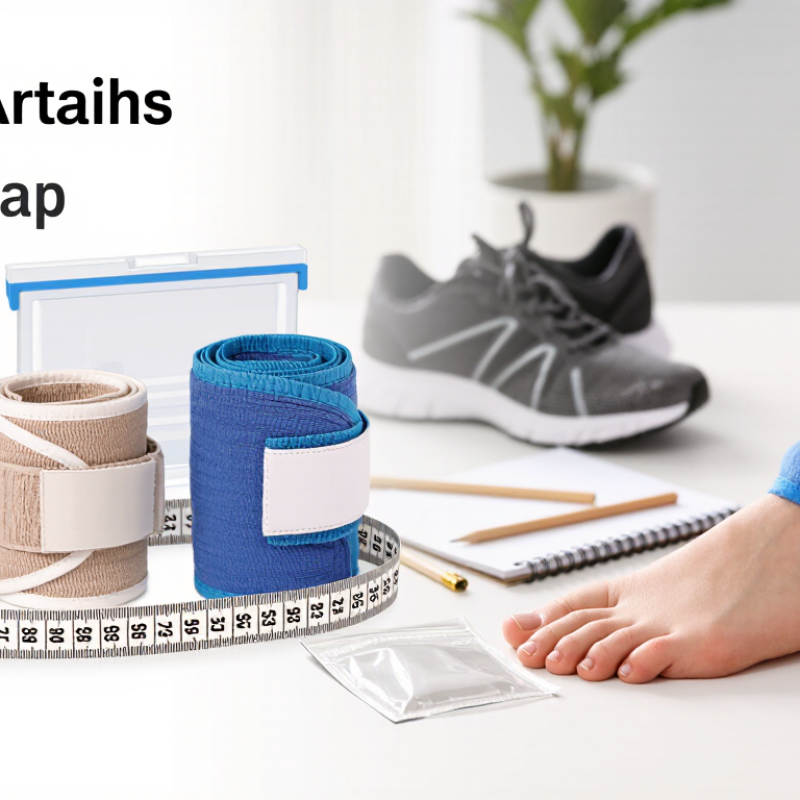
Understand the Purpose and Benefits of a Compression Ankle Wrap
How to Choose a Compression Ankle Wrap?
A compression ankle wrap applies gentle pressure around the joint and nearby tissues. Its main purpose is supporting the ankle during recovery, exercise, or everyday movement. Even pressure may help control mild swelling and improve comfort after a long day. It can also provide a steadier feeling when walking on uneven ground. However, a wrap does not repair a serious injury.
Choose a size that feels supportive, not restrictive. Measure your ankle according to the product’s instructions, preferably when swelling is lowest. The material should stay flat against your skin without folding behind the heel. Look for adjustable fastening, breathable fabric, and enough flexibility for normal ankle movement. A practical test is simple: you should move your toes freely. Too tight.
Wear the wrap for a short period at first and check your skin afterward. Numbness, tingling, unusual coldness, or darker skin may signal excessive pressure. Remove it and seek professional advice if these symptoms continue. People with circulation problems, diabetes, unexplained swelling, or a possible fracture should ask a qualified healthcare professional before using compression.
In real use, finding the right tightness can take several attempts. I would rather choose slightly gentler support than ignore warning signs.
Identify the Right Compression Level and Ankle Support
How to Choose a Compression Ankle Wrap?
The right compression level depends on your goal, symptoms, and circulation. Mild compression, usually 8–15 mmHg, may suit light swelling or long periods of standing. Moderate compression, around 15–20 mmHg, can provide firmer daily support. Higher levels should follow professional advice, especially with diabetes, numbness, arterial disease, or unexplained swelling. The International Compression Club’s consensus guidance stresses that pressure must be matched to the wearer’s vascular condition, not chosen by comfort alone. Comfort can mislead you.
Support type matters just as much. A simple elastic sleeve adds warmth and gentle compression, but it may not control ankle movement after a sprain. A figure-eight wrap offers directional support around the ankle bones. A stirrup design can limit side-to-side motion more effectively. A 2022 Cochrane review on ankle sprain treatments reported uncertain evidence for compression alone, so a wrap should not replace assessment after severe pain, deformity, or inability to walk. Check your skin after 30 minutes. Red marks, tingling, pale toes, or increasing pain suggest poor fit. The NHS also advises professional assessment when swelling is sudden or unexplained. I sometimes prefer slightly less compression during the first fitting; excessive tightness feels supportive, yet it can reduce comfort and practical use. Consistent wear matters more than an impressive pressure number.
Compare Adjustable, Slip-On, and Specialized Ankle Wraps
Choosing an ankle wrap depends on the support you need, not just the tightest fit. Adjustable wraps use straps to control pressure around swollen joints. They work well when swelling changes during the day. Slip-on wraps are quicker and lighter, but sizing matters. A loose sleeve may slide during walking. A tight one can cause numb toes or skin discoloration.
Specialized wraps add targeted features, such as side stabilizers, heel openings, or extra padding. They may suit recurring sprains or sports with repeated cutting movements. The National Athletic Trainers’ Association identifies ankle sprains as one of the most common sports injuries. Research also suggests that up to 40% of people may develop ongoing symptoms after a lateral ankle sprain, according to a review in the British Journal of Sports Medicine. Compression can improve comfort, but it cannot replace rehabilitation or medical assessment.
Tips: Measure your ankle when swelling is present. Check the skin after ten minutes. Stop if you notice tingling, coldness, or unusual color. Choose adjustable support for changing swelling, slip-on support for easy daily wear, and specialized support for instability. I would not assume more compression means better recovery. The evidence is less clear than marketing often suggests. A physiotherapist can check fit, movement, and injury severity before regular use.
Check Fit, Comfort, Safety, and Care Requirements
Choosing a compression ankle wrap starts with fit, not pressure. Measure your ankle according to the product’s instructions, preferably in the evening when swelling is greater. The wrap should feel secure, like a firm handshake, but never create throbbing or sharp pain. Your toes should remain warm and naturally colored. The World Health Organization’s 2022 musculoskeletal health report estimates that 1.71 billion people live with musculoskeletal conditions worldwide, showing why comfortable support matters during daily movement.
Comfort affects real-world use. Look for breathable fabric, flat seams, and adjustable closures. A 2022 systematic review in Sports Medicine reported that external ankle supports may improve short-term stability, although results differ by injury type and device design. That limitation matters. A wrap is support, not a diagnosis or a substitute for rehabilitation. Remove it if you notice numbness, tingling, increasing swelling, or skin discoloration. Seek medical advice after severe pain, deformity, or an inability to bear weight.
Tips: Test the wrap for 15 minutes while walking indoors. Check the skin afterward. Wash it as directed, let it dry fully, and inspect stretched elastic before reuse. I once tightened a wrap too much and focused only on stability. That was a poor test. Comfort and circulation deserved equal attention. Replace the wrap when its compression becomes uneven, even if the fabric still looks clean.



 08045479132
 Send Inquiry

 Send Inquiry
 Send SMS