How to Choose the Best Scaffolding Ladder for Your Needs?
Choosing the right scaffolding ladder is essential for safety and efficiency. With various types available, it can be daunting to find the one that meets your specific needs. A scaffolding ladder should be sturdy, easy to use, and suitable for your project requirements.
Consider the height you need to reach and where you'll be working. Different ladders have unique features tailored for specific tasks. For instance, some are designed for indoor use, while others excel outdoors. Reflect on what materials you require for durability and stability.
It's crucial to weigh your options carefully. A choice made in haste may lead to accidents or inefficiencies. Research reviews and specifications before making your decision. Remember, the right scaffolding ladder can make all the difference in your project’s success.
Understanding the Different Types of Scaffolding Ladders Available
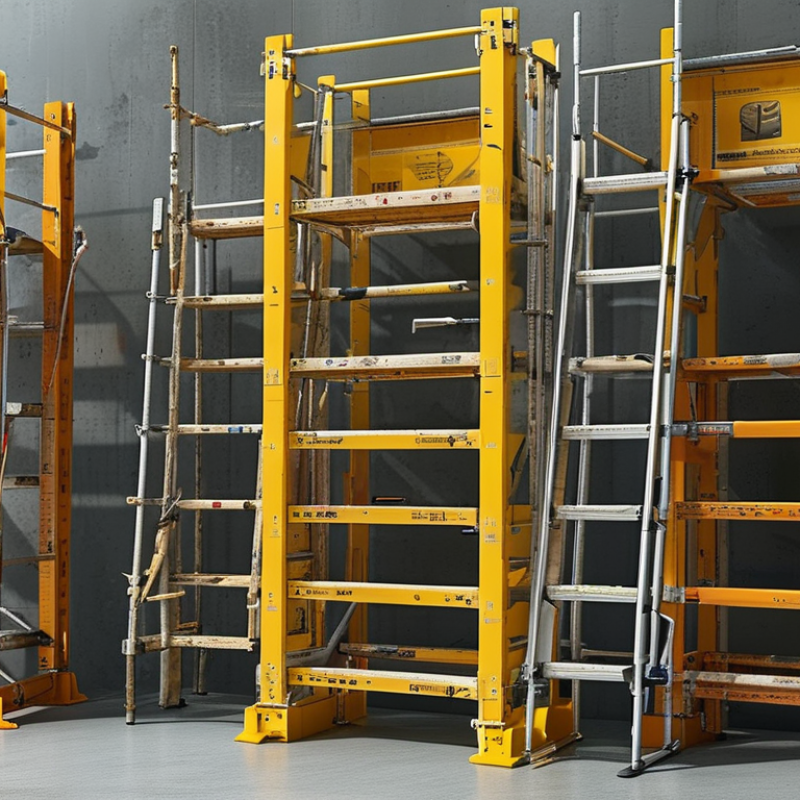
When selecting a scaffolding ladder, understanding the various types is essential. Each type caters to different needs within construction, maintenance, or home improvement contexts. For instance, the single ladder design supports quick access to elevated areas. It's lightweight and portable but may lack stability for extensive use.
On the other hand, extension ladders can reach higher structures. They come in different lengths, allowing versatility in various projects. However, users must ensure that they are properly set up to prevent accidents.
Scaffold staircases offer a safer option for accessing work platforms. They provide much-needed support, yet require ample space for setup.
Choosing the right type depends on your specific requirements. Think about the height you need, the weight it should bear, and the tasks at hand. Sometimes, the choice may not be as straightforward as it seems. One must consider safety, stability, and operational comfort. Reflecting on personal experiences can guide better decision-making towards suitable ladder options.
Assessing Your Project Requirements for Ladder Selection
When selecting a scaffolding ladder, it's crucial to assess your project's specific requirements. Consider the height you need to reach. According to industry reports, the right ladder can reduce accidents by over 25%. A ladder that doesn't meet height requirements can lead to overreaching and falls. Think about the weight capacity, too. Choose a ladder that can safely support not just your weight, but also any tools or materials you may carry.
Tips: Always check the ladder's maximum load rating. Ensure it suits your working style and environment. Pay attention to the materials of the ladder—aluminum is lightweight, while fiberglass is non-conductive and preferable for electrical work. Assess the terrain where you'll work. A stable base is essential for safety.
Remember to inspect your ladder regularly. Look for signs of wear or damage. Some users report underestimating their ladder's condition, leading to unsafe practices. Staying attentive can prevent avoidable accidents. Choosing the best ladder ensures not only efficiency but also safety on the job site.
Evaluating Weight Capacity and Stability Features
When selecting a scaffolding ladder, weight capacity and stability are crucial factors. The ladder should support your weight, plus any additional tools or materials. A ladder with a higher weight capacity offers better safety when working at heights. Look for ladders that specify their maximum load limits clearly. This ensures you won’t risk injuries from sudden collapses.
Stability in a scaffolding ladder can be assessed by its design and materials. A wider base generally provides better balance. Check if the ladder has rubber feet or grip pads to prevent slipping. A well-constructed ladder minimizes swaying. Observing how it performs on uneven surfaces might help you make a better choice.
Tips: Always check user reviews for real-world insights. Experience matters; ask professionals about their preferences. Practice setting up the ladder before use. A stable and reliable ladder enhances your safety. If it feels wobbly during tests, reconsider your option.
Considering Material Quality and Durability in Ladders
When selecting a scaffolding ladder, material quality and durability are paramount. Steel and aluminum are two popular choices. Steel offers strength and stability. However, it is heavier and can rust over time. Aluminum is lighter and resistant to corrosion. This makes it easier to move. Each material has its benefits and drawbacks.
Think about the environment where you will use the ladder. If it’s exposed to moisture, aluminum may be the better choice. On the other hand, for heavyweight projects, a robust steel ladder might be more suitable. Choosing the right material can prevent accidents and ensure safety.
Inspecting the ladder for wear and tear is crucial. Even high-quality ladders can suffer from damage. Look for cracks or bends. A neglected ladder can lead to serious injuries. Therefore, regular checks help maintain reliability. Consider every detail carefully before making your final choice.
Identifying Safety Features for Scaffolding Ladder Use
When choosing a scaffolding ladder, safety features should be a top priority. Look for ladders that have a non-slip surface. This can prevent accidental slips during use. Also, consider a ladder with safety locks to secure each rung. Having sturdy side rails can provide extra stability when moving up or down.
Tips for choosing a safe scaffolding ladder:
- Inspect the ladder for any damage before each use.
- Ensure the ladder matches the height required for your project.
- Pay attention to the weight capacity; this includes tools and materials.
Another crucial factor is the design. A wider base can enhance stability. Check for a ladder that has anti-sway technology. This can reduce the risk of tipping when reaching. It’s essential to familiarize yourself with the ladder's specifications. Understand the weight limits and recommended uses. Regular training on safe usage is vital. Reflecting on past experiences can highlight areas for improvement. Always prioritize a secure working environment.



 08045479132
 Send Inquiry

 Send Inquiry
 Send SMS