How to Choose the Best Rotogravure Press for Your Business?
Choosing the right rotogravure press is essential for any printing business. Understanding features, costs, and capabilities can be overwhelming. As industry expert John Smith once said, "The right rotogravure press can elevate your production quality and efficiency." With various options, making an informed decision is critical.
When selecting a rotogravure press, consider your specific needs. Think about production volume, material types, and print quality. Do you prioritize speed, or is precision more crucial? Each choice impacts your operations. It’s often tempting to choose high-end models. Yet, budget constraints and actual requirements may not align perfectly.
Finding the well-suited rotogravure press requires careful evaluation. Gather insights from experienced operators and analyze case studies. Take note of feedback and real-world performance. Don’t rush; reflect on long-term impacts. Investing time in understanding this equipment pays off significantly for your business's future.
Understanding Rotogravure Press Technology
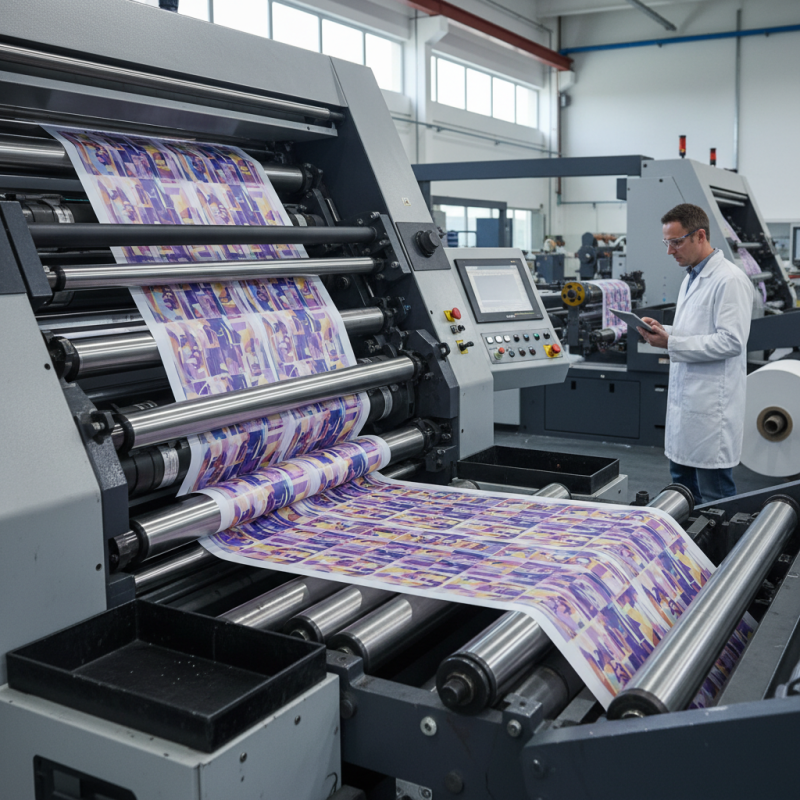
Rotogravure press technology plays a pivotal role in modern printing. This method uses engraved cylinders to transfer ink onto a substrate. It’s known for producing high-quality images with sharp details. Many businesses choose this technology for its efficiency and versatility. It caters to various materials, from flexible films to paper.
Understanding the nuances of rotogravure is essential for making an informed choice. The ink transfer process relies heavily on the cylinder's engraving depth and the viscosity of the ink. However, deeper engravings can lead to increased ink consumption. That's a key factor to consider when budgeting for operational costs.
Moreover, maintaining the press is crucial. Misalignment can lead to defects and wasted material. While rotogravure offers high-speed production, it requires precise calibration. Poor maintenance can compromise print quality. Balancing speed and quality is a challenge many presses encounter.
Assessing Your Business Needs and Production Goals
When selecting a rotogravure press, assessing business needs is crucial. Production goals drive your decision-making. Understanding these factors can greatly impact efficiency and output. Industry reports indicate that 43% of businesses experience misalignment between their technology and production goals. This often leads to wastage and increased costs.
Consider the volume you expect to produce. This metric directly impacts the type of press you should consider. A press with higher capabilities may seem appealing but might not be necessary for lower production goals. Similarly, if your business plans to expand, investing in the latest technology might be beneficial. Decisions should be based on measurable production objectives rather than assumptions.
Tip: Regularly review your production goals. Align them with the capabilities of your equipment to avoid inefficiencies.
Also, consider the types of substrates you will be printing on. Different materials require different press setups. A thorough assessment enhances the press's performance. Industry data shows that incorrect substrate choice can decrease quality by up to 30%.
Tip: Prioritize training for your operators. Well-trained staff can adapt more quickly to new technologies and reduce learning curve setbacks.
Key Features to Look for in Rotogravure Presses
When selecting a rotogravure press, specific features can greatly impact your production efficiency. Consider the printing width. A wider press allows for larger prints, enhancing productivity. Additionally, check the ink system. A reliable ink transfer system ensures consistent quality and minimizes waste. The ability to adjust ink viscosity is also crucial for different substrates.
Another vital feature is the drying system. Fast drying processes reduce production times and prevent smudging. Look for presses with advanced drying technologies, such as infrared or hot air systems. These can significantly boost output speed. Energy efficiency should not be neglected. An efficient press can lower operational costs over time.
Maintenance is often overlooked but essential. A design that allows easy access to critical components saves time during upkeep. Consider the automation level, which can streamline operations. High automation may lead to higher initial costs. Reflect on whether your team has the experience to maintain and operate a more complex system. An investment in expertise may be necessary for advanced machinery. Although the latest technology offers many benefits, it also requires thoughtful integration into your existing operations.
Comparing Costs and Budgeting for Your Investment
Investing in a rotogravure press requires careful budgeting and cost consideration. Industry reports show that the average cost of a high-quality rotogravure press can range from $500,000 to over $2 million. These expenses include not only the press itself but also installation and maintenance costs. Many businesses underestimate the total investment needed. This often leads to financial strain or operational delays.
It's essential to account for additional factors. Supplies, inks, and ancillary equipment can add up quickly. For instance, ink costs can account for 10-20% of your operational budget. Additionally, maintenance costs may reach 5-10% of the equipment's purchase price annually. These figures could vary significantly depending on the complexity and usage of the press.
Analyzing your production needs can help refine your budget. A press that meets your specifications but is slightly more expensive could lead to lower operational costs over time. Review reports and case studies to understand the long-term benefits of your investment. Underestimating these elements can jeopardize your overall business strategy. Thoughtful consideration of your financial landscape and production goals will guide you toward making a sustainable choice.
Evaluating Supplier Reputation and Customer Support
When choosing a rotogravure press, supplier reputation and customer support are crucial. Companies should verify the supplier's history in the industry. According to a 2022 industry report, 75% of successful businesses prioritize supplier reputation. A press should not only meet technical specifications but also offer reliable service.
A good supplier will have a proven track record. Feedback from past customers can provide insights into the supplier's reliability. Online reviews and testimonials often highlight strengths and weaknesses. Companies should pay attention to these details when assessing potential suppliers.
**Tips:** Look for suppliers with robust customer support systems. Ensure they provide timely responses and solutions. This can greatly affect production efficiency. Additionally, check if they offer regular maintenance and training programs. A supplier who invests in their customers’ success is more likely to be trustworthy.
Trust is essential in this industry. A reputable supplier often means fewer issues and better performance. However, some suppliers may overpromise support during initial discussions. It's important to reflect on this and verify their claims with existing customers. Always seek out clarity in service agreements and support pathways.
How to Choose the Best Rotogravure Press for Your Business? - Evaluating Supplier Reputation and Customer Support
| Supplier Region | Reputation Score (Out of 10) | Customer Support Rating (Out of 5) | Average Installation Time (Days) | Maintenance Frequency (Years) |
| North America | 8.5 | 4.7 | 30 | 2 |
| Europe | 9.2 | 4.5 | 28 | 3 |
| Asia | 7.8 | 4.2 | 35 | 2.5 |
| South America | 6.5 | 3.8 | 32 | 3.5 |
| Africa | 6.0 | 3.5 | 45 | 4 |



 08045479132
 Send Inquiry

 Send Inquiry
 Send SMS