| Electrode Material | Carbon film, conductive fabric, or metal-coated material | The electrode should provide even current distribution and remain flexible during movement. | TENS, EMS, NMES, and general electrical stimulation procedures |
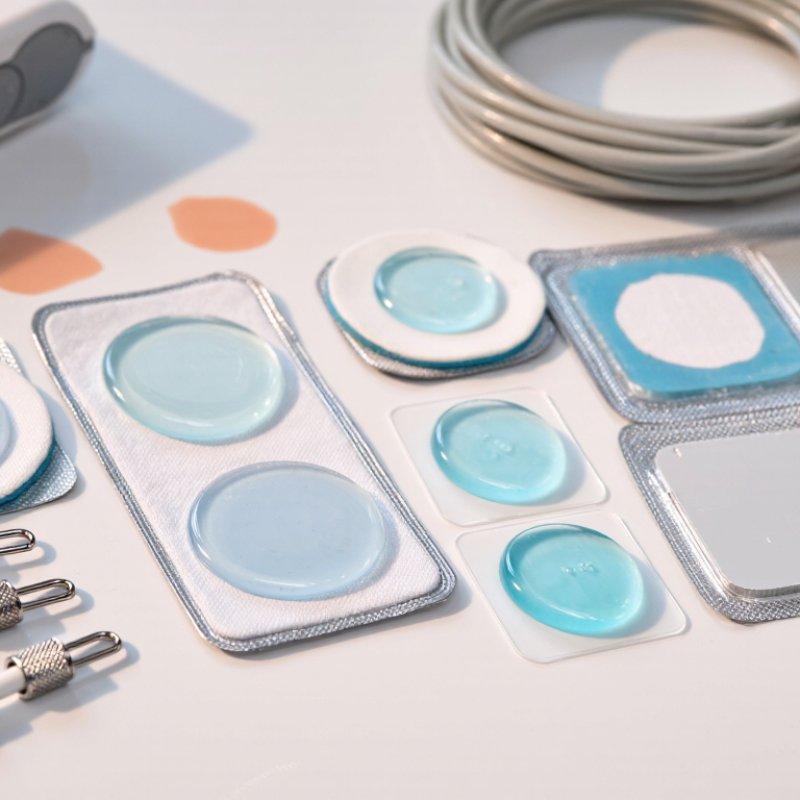
| Adhesive and Gel Type | Hydrogel, solid gel, or pressure-sensitive adhesive gel | Hydrogel supports skin contact and conductivity; adhesive strength should balance secure placement with comfortable removal. | Short-term therapy, repeated treatment sessions, and portable devices |
| Pad Size | Small, medium, or large surface area | Larger pads generally spread current over a wider area, while smaller pads are useful for targeted placement. | Large pads for broad muscle areas; small pads for localized treatment zones |
| Shape and Flexibility | Round, square, rectangular, butterfly, or contoured designs | Flexible edges and a shape that follows body contours can reduce lifting and improve contact. | Curved body areas, joints, back, shoulders, arms, and legs |
| Skin Compatibility | Standard adhesive, sensitive-skin adhesive, or latex-free construction | Choose materials designed to minimize irritation, especially for sensitive or frequently treated skin. | Users with sensitive skin or frequent electrode replacement needs |
| Intended Device | TENS, EMS, NMES, biofeedback, or monitoring equipment | The connector and electrical specifications must be compatible with the intended device and treatment mode. | Pain-relief stimulation, muscle activation, rehabilitation, and biofeedback |
| Reusability | Single-use or reusable adhesive pads | Reusable pads require proper cleaning, drying, and storage. Replacement is needed when adhesion or conductivity declines. | Reusable pads for regular home therapy; single-use pads for controlled or clinical procedures |
| Expected Service Life | Varies with skin preparation, usage frequency, storage, and pad construction | There is no universal number of uses; replace pads when they no longer adhere evenly or stimulation feels inconsistent. | All applications requiring reliable skin contact and stable electrical performance |
| Skin Preparation | Clean, dry, oil-free skin | Lotions, oils, sweat, and excessive hair can reduce adhesion and may increase uneven current density. | Any application where consistent contact and comfortable stimulation are important |
| Storage Requirements | Sealed pouch or protective liner in a cool, dry place | Proper storage helps prevent gel drying and preserves adhesive performance. Follow the product instructions. | Home users, clinics, sports rehabilitation, and travel kits |
| Safety Considerations | Device instructions, skin inspection, and contraindication screening | Do not place pads on broken or infected skin. Electrical stimulation may be unsuitable for some users, including people with implanted electronic devices, unless cleared by a healthcare professional. | Clinical, rehabilitation, and home-use environments requiring responsible application |



 08045479132
 Send Inquiry

 Send Inquiry
 Send SMS