How to Choose the Right Die Casting Molds for Your Project?
Choosing the right Die Casting Molds is crucial for any manufacturing project. An expert in the industry, John L. Parker, emphasizes, "The right mold makes all the difference in quality." The selection process can be daunting. With many options available, understanding your specific needs is essential.
Die Casting Molds vary widely in material and design. A mold that fits one project may not work for another. It's vital to consider factors like size, complexity, and volume. Each project has its unique requirements. Poor mold selection could lead to increased costs and wasted time. Reflecting on these aspects is necessary.
In this competitive landscape, knowledge is power. Companies must be aware of the latest technologies and trends. Additionally, seeking expert advice can save resources in the long run. Remember, investing time in choosing the right molds can significantly enhance product quality and efficiency.
Understanding the Basics of Die Casting Molds
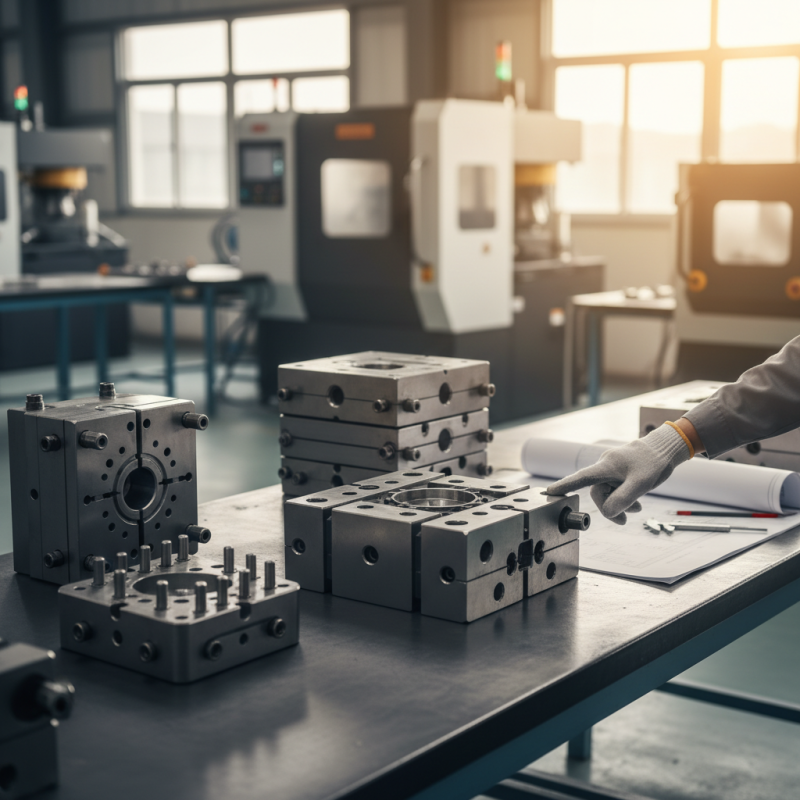
Die casting molds are crucial in manufacturing. They allow for precise shaping of metal parts. Understanding their basics can help you make informed choices for your project. These molds are typically made from steel or aluminum. They withstand high pressure and temperatures during the casting process.
When selecting a mold, consider its design and complexity. Some shapes are easier to mold than others. Simple designs reduce costs and production time. However, complex designs may be necessary for functional requirements. Balance functionality and feasibility. It's important to reflect on the trade-off between aesthetics and practicality.
Quality matters in mold selection. A high-quality mold can reduce defects and improve the consistency of parts. However, investing in a premium mold might not always be feasible. Sometimes you must compromise on quality to stay within budget. Analyze your project's priorities. It’s possible you’ll need to rethink your options as you proceed. Keep in mind the importance of feedback and iteration in the design process.
Identifying Your Project Requirements and Specifications
When embarking on a die casting project, it's crucial to identify your specific requirements. Every project has unique needs, like material type, product size, and production volume. For instance, if you are creating intricate parts, you may need molds with higher precision. Ignoring these factors can lead to costly mistakes.
Consider your production volume as well. Some molds work best for high-volume runs, while others suit smaller batches. A common mistake is choosing a mold based purely on cost rather than suitability. Keep in mind that cheaper options may compromise quality. Assess your budget but focus on long-term benefits.
Materials also play an important role in mold selection. Different materials can affect durability and the casting process. Aluminum alloys, for example, are light and heat resistant, making them popular. However, they might not suit all projects. Reflect on your project requirements regularly. Adjust your choices as necessary to avoid pitfalls.
Evaluating Material Options for Die Casting Molds
When selecting die casting molds, material choice is critical. Aluminum, steel, and zinc are common options. Each material has unique properties. Aluminum molds are lightweight and help reduce manufacturing costs. They often wear down faster, though. Steel molds are durable and can produce high-quality parts. However, they are heavier and more expensive.
Consider the project’s demands carefully. If you need a high volume of parts, steel may be better. However, for smaller runs, aluminum might suffice. The surface finish varies with each material, impacting the final product. Zinc molds are another option for specialized applications. They offer good thermal conductivity and are often used for intricate designs.
Evaluate production processes as well. A poorly chosen material can lead to defects. Monitoring casting temperatures is key. Sometimes, a material may warp or not hold detail. This can cause extra costs in rework or waste. Researching and testing different materials can provide valuable insights. Make sure to leverage this knowledge for better outcomes.
Comparing Different Types of Die Casting Processes
When selecting the right die casting process, understanding the various methods is crucial. High-pressure die casting is one of the most common methods. It offers rapid production and high precision for complex shapes. According to industry reports, this method yields high strength and excellent surface finishes. However, it can be costly due to the need for expensive molds and equipment.
Another popular method is low-pressure die casting. It is suitable for larger components. This process allows for better control of metal flow, which can lead to less waste. However, it typically involves longer cycle times. That can be a disadvantage if speed is a priority for your project.
Tips: Consider your project's timeline carefully. If speed matters, high-pressure casting might be ideal. If cost is more critical, low-pressure could be the way to go. Always evaluate the complexity of the part in mind. This can significantly impact the mold design and overall cost.
Additionally, gravity die casting is an option for larger, less complex shapes. It is cheaper but can result in lower precision compared to high-pressure methods. Projects requiring a balance between cost and quality might benefit from this technique. Remember that each method has trade-offs. Identifying the best process hinges on your specific needs.
Assessing Cost and Production Efficiency for Your Needs
Choosing the right die casting molds involves careful consideration of cost and production efficiency. Start by assessing your project's budget. Costs can vary significantly based on material and complexity. For instance, aluminum molds may be cheaper initially. However, they can wear out faster. This could lead to higher long-term costs.
Next, think about production efficiency. The right mold can improve cycle times, reducing overall production time. A well-designed mold may require fewer maintenance interventions. But, simplicity in design has its limits. More intricate designs can produce better quality parts but at a higher cost and longer lead times.
Reflect on what matters most for your production. Is it speed, quality, or cost-effectiveness? You may need to compromise. Evaluate all aspects before making a decision. Ask for feedback from experienced manufacturers. Their insights can provide valuable information that you may overlook. Balancing these factors can lead to a better outcome for your project.
How to Choose the Right Die Casting Molds for Your Project?
| Mold Material | Initial Cost ($) | Lifespan (Cycles) | Production Efficiency (%) | Maintenance Frequency (Months) |
| Aluminum | 5,000 | 100,000 | 85 | 6 |
| Zinc | 4,500 | 80,000 | 90 | 8 |
| Magnesium | 6,000 | 90,000 | 80 | 7 |
| Copper | 7,500 | 70,000 | 75 | 5 |
| Steel | 10,000 | 150,000 | 80 | 12 |



 08045479132
 Send Inquiry

 Send Inquiry
 Send SMS