How to Choose JS Concrete Mixer Manufacturers in 2026?
Choosing reliable Js Concrete Mixer Manufacturers in 2026 requires more than comparing prices and product photographs. A mixer may look powerful on a website, yet struggle with sticky concrete, uneven aggregates, or continuous site production. Buyers should examine measurable details, including mixing capacity, discharge time, motor protection, liner thickness, and spare-parts availability. Factory experience also matters. A manufacturer that can show operating machines, inspection records, and customer references deserves closer attention.
Michael Turner, an independent concrete equipment consultant with more than 20 years of plant experience, explains, “A mixer earns trust through consistent batches, not impressive specifications.” That principle is practical. Ask to see a real mixing test. Check whether the blades produce a uniform blend after each cycle. Listen for abnormal gearbox noise. Inspect welds around the frame and observe the discharge gate under load. Small details often reveal production discipline.
Reliable Js Concrete Mixer Manufacturers should also provide clear technical documents, installation guidance, operator training, and responsive after-sales support. Confirm the warranty terms in writing. Check delivery schedules carefully. Local service can prevent long stoppages when a seal or bearing fails. Cost still matters, but the cheapest quotation may hide thinner steel, limited support, or expensive replacement parts. I have seen buyers focus too heavily on initial price. That decision can become costly.
The right choice depends on your materials, climate, workload, and maintenance team. Compare evidence, not promises. A careful evaluation may take longer, but it reduces uncertainty before the mixer reaches your project.
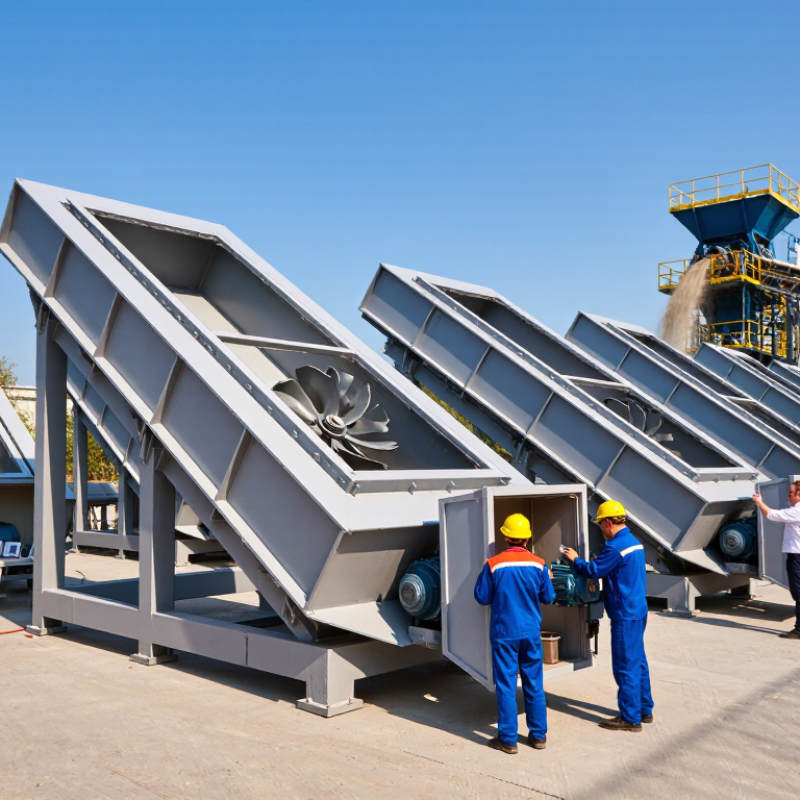
Define JS Mixer Capacity: 0.5–6 m³ per Batch and 20–240 m³/h Output
How to Choose JS Concrete Mixer Manufacturers in 2026?
Choosing a JS concrete mixer manufacturer starts with capacity, not advertising claims. Models commonly range from 0.5 to 6 m³ per batch, with rated outputs of 20–240 m³/h. A 2 m³ mixer producing 30 batches hourly may theoretically reach 60 m³/h. Real output is usually lower. Loading time, discharge speed, material moisture, and cleaning delays all matter. Experienced suppliers should explain these limits clearly and provide test data.
Match the mixer to your actual worksite. A small 0.5 m³ unit may suit repair projects, while a 4–6 m³ model fits large batching plants. Check the mixing cycle, motor power, shaft design, liner material, and spare-part availability. Ask for drawings, installation guidance, warranty terms, and service response times. Reliable manufacturers should also show comparable operating cases, not only polished factory photos. This is where many buyers become too optimistic.
Tips: Calculate hourly demand from your truck schedule. Keep a 10–20% capacity margin. Confirm whether quoted output includes loading and discharge time. Inspect welds, access doors, safety guards, and emergency stops. Request a performance test using your aggregate size and mix recipe. A spreadsheet can look precise. Concrete is less cooperative. Weather and operator habits may still change the result.
This chart maps JS concrete mixer batch capacity from 0.5 to 6 m³ against a representative output range of 20 to 240 m³/h. The values reflect the stated capacity and output limits; actual production depends on loading, mixing, discharge, material type, and cycle time.



 08045479132

 Send Inquiry


 Send Inquiry
 Send SMS

